
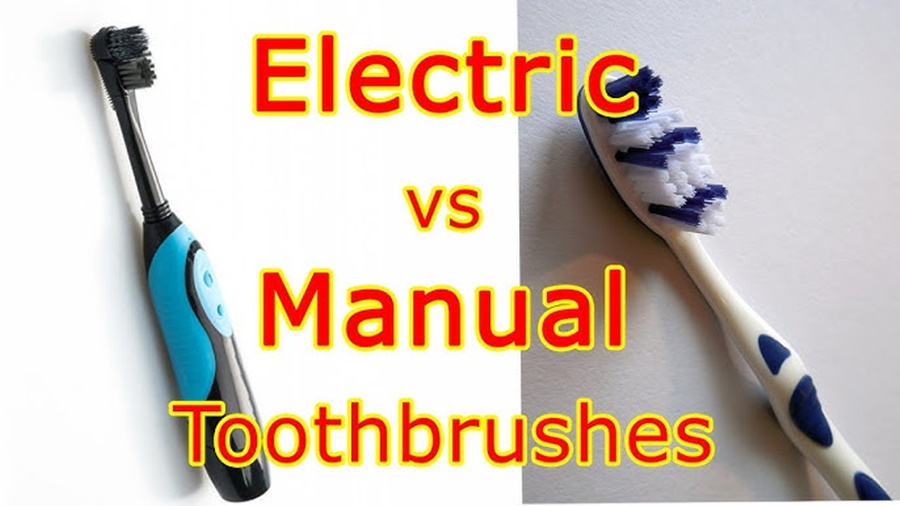
One of the most common questions people ask is whether an electric toothbrush is better than a manual one. Oral hygiene is a cornerstone of overall health, and brushing your teeth is the most basic yet essential part of it. Both options can effectively clean your teeth when used correctly, but they differ in technology, convenience, cost, and overall performance.
This article explores the key differences, benefits, and drawbacks of each to help you make an informed decision.
1. How They Work
Manual Toothbrush
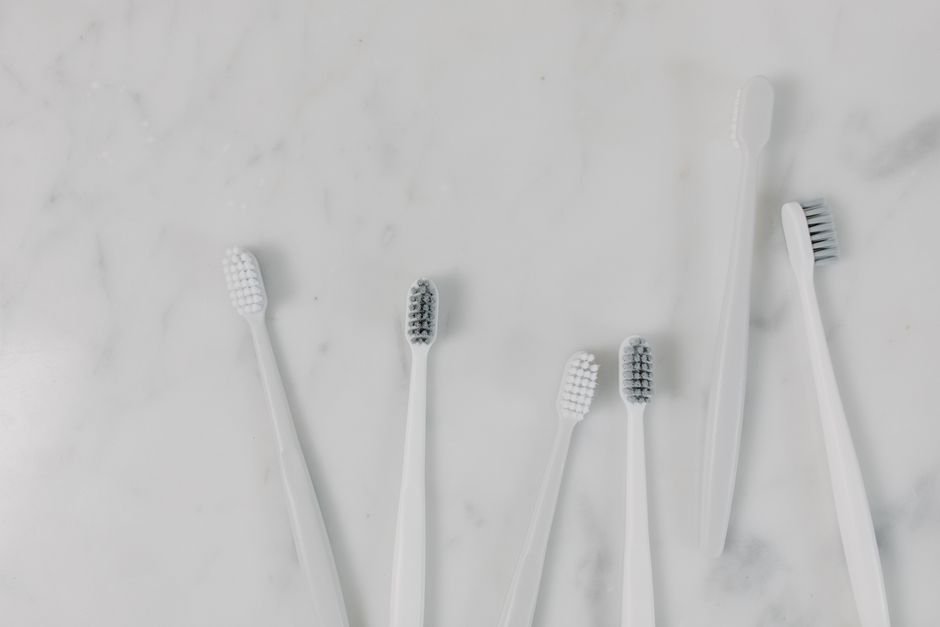
A manual toothbrush relies entirely on your hand movements to clean your teeth. You control the speed, pressure, and direction of brushing. It’s simple, widely available, and requires no power source.
Electric Toothbrush
An electric toothbrush uses battery-powered or rechargeable technology to move the brush head automatically. It typically oscillates, rotates, or vibrates to help remove plaque more efficiently with less effort from the user.
2. Cleaning Effectiveness
Electric toothbrushes are generally considered more effective at removing plaque and reducing gum disease. Their consistent motion ensures better coverage, especially in hard-to-reach areas. Many models also include timers to ensure you brush for the recommended two minutes.
Manual toothbrushes can be equally effective if used with proper technique, including correct angles, sufficient duration, and gentle pressure. However, many people tend to brush too hard or too quickly, reducing effectiveness.
Verdict: Electric toothbrushes often have a slight edge, especially for people who struggle with proper brushing technique.
3. Ease of Use
Electric toothbrushes are easier to use because they do most of the work for you. This makes them particularly helpful for:
- Children
- Elderly individuals
- People with limited mobility (e.g., arthritis)
Manual toothbrushes require more effort and proper technique, which can be challenging for some users.
Verdict: Electric toothbrushes are more user-friendly.
4. Cost Comparison
Manual toothbrushes are significantly cheaper and widely accessible. You can replace them frequently without much expense.
Electric toothbrushes have a higher upfront cost, and replacement heads can also be expensive. However, some users consider them a worthwhile long-term investment for better oral health.
Verdict: Manual toothbrushes are more budget-friendly.
5. Features and Technology
Electric toothbrushes often come with advanced features such as:
- Built-in timers
- Pressure sensors to prevent hard brushing
- Multiple brushing modes (sensitive, whitening, gum care)
- Smart connectivity (in high-end models)
Manual toothbrushes, on the other hand, are straightforward with no added features.
Verdict: Electric toothbrushes offer more innovation and customization.
6. Portability and Convenience
Manual toothbrushes are lightweight, easy to carry, and require no charging making them ideal for travel.
Electric toothbrushes are bulkier and need charging or batteries, which can be inconvenient during trips unless you carry a charger or spare batteries.
Verdict: Manual toothbrushes are more travel-friendly.
7. Environmental Impact
Manual toothbrushes are typically made of plastic and are disposed of entirely every few months, contributing to waste.
Electric toothbrushes reduce waste slightly since only the head is replaced, but they include electronic components and batteries, which also impact the environment.
Verdict: Both have environmental concerns, but eco-friendly options exist for each.
8. Dentist Recommendations
Many dentists recommend electric toothbrushes, especially for patients with:
- Gum disease
- Braces or dental appliances
- Poor brushing habits
However, they also emphasize that proper brushing technique matters more than the type of toothbrush.
Common Mistakes in Toothbrush Use
Using either an electric or manual toothbrush can lead to mistakes that affect oral health. A common error with manual brushes is brushing too hard, which can damage gums and enamel over time. With electric brushes, some users skip the recommended two-minute brushing time, thinking a quick buzz is sufficient.
Another frequent mistake is neglecting to replace the brush head or toothbrush itself. Change manual brushes every three months or sooner if bristles fray. For electric models, replace the head every three months for best results.
Who Each Option Suits Best
Choosing between electric and manual brushes often depends on personal habits and preferences. If you struggle with manual dexterity, an electric toothbrush might be more beneficial. The rotating bristles can help you reach difficult areas with less effort.
On the other hand, if you travel often or prefer simplicity, a manual toothbrush is a great choice. They’re lightweight, easy to pack, and do not require charging.
- Electric for: Children, those with mobility issues, or anyone wanting a comprehensive clean.
- Manual for: Budget-conscious users, minimalists, or those who prefer a traditional brushing experience.
9. Pros and Cons Summary
Electric Toothbrush Pros:
- Better plaque removal
- Easier to use
- Built-in timers and sensors
- Ideal for special needs users
Electric Toothbrush Cons:
- Expensive
- Requires charging or batteries
- Less convenient for travel
Manual Toothbrush Pros:
- Affordable
- Easy to carry
- No maintenance required
- Widely available
Manual Toothbrush Cons:
- Requires proper technique
- No advanced features
- May lead to inconsistent cleaning
Conclusion
Both electric and manual toothbrushes can maintain good oral hygiene when used properly. If you value convenience, advanced features, and potentially better cleaning performance, an electric toothbrush may be the better choice. However, if you prefer simplicity, affordability, and portability, a manual toothbrush is still a reliable option.
For more information on the benefits and technology of electric toothbrushes, check out the Electric Toothbrush vs Manual Toothbrush page.
Ultimately, the best toothbrush is the one you use consistently and correctly. Pair it with proper brushing habits, flossing, and regular dental check-ups for optimal oral health.
Leave a Reply