
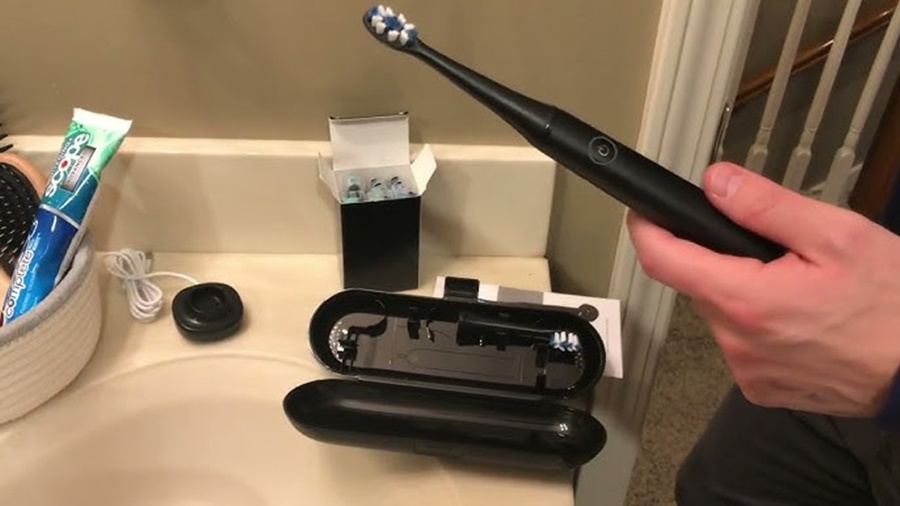
Maintaining proper oral hygiene has become easier and more effective with modern toothbrush technologies. Among the most popular options today are electric toothbrushes and ultrasonic toothbrushes. While both aim to improve cleaning efficiency compared to manual brushing, they differ significantly in how they operate, their benefits, and their ideal users.
This article provides a comprehensive comparison to help you understand which option might be best for your dental care routine.
1. What Is an Electric Toothbrush?
An electric toothbrush is a battery-powered device that uses mechanical motion to clean teeth. The brush head typically moves in one of the following ways:
- Oscillating-rotating: Spins back and forth
- Sonic vibration: Vibrates at high speeds (often tens of thousands of strokes per minute)
Key Features:
- Built-in timers to ensure proper brushing duration
- Pressure sensors to prevent gum damage
- Multiple cleaning modes (e.g., whitening, sensitive, gum care)
- Replaceable brush heads
Benefits:
- More effective plaque removal than manual brushing
- Easy to use, especially for children and elderly individuals
- Widely available and affordable across different price ranges
Drawbacks:
- Requires regular charging or battery replacement
- Moving parts can wear out over time
- Some users may find vibrations uncomfortable initially
2. What Is an Ultrasonic Toothbrush?
An ultrasonic toothbrush uses ultra-high-frequency sound waves (typically above 20,000 Hz) to clean teeth. Unlike standard electric brushes, it does not rely primarily on physical scrubbing.
Instead, ultrasonic waves create microscopic bubbles in saliva and toothpaste. These bubbles collapse and help remove plaque and bacteria—even in areas the bristles may not directly touch.
Key Features:
- Operates at extremely high frequencies (millions of vibrations per minute in some cases)
- Minimal physical movement of bristles
- Often combined with sonic technology for dual action
Benefits:
- Highly effective at disrupting bacterial chains
- Gentle on gums and enamel
- Can clean below the gum line and in hard-to-reach areas
- Ideal for people with sensitive teeth or orthodontic appliances
Drawbacks:
- More expensive than standard electric toothbrushes
- Less widely available
- Effectiveness can depend on proper technique and consistency
- Some users may not feel the “cleaning action” due to minimal motion
3. Key Differences
| Feature | Electric Toothbrush | Ultrasonic Toothbrush |
|---|---|---|
| Cleaning Method | Mechanical motion (rotation/vibration) | Ultrasonic sound waves |
| Bristle Movement | High | Minimal |
| Plaque Removal | Physical scrubbing | Chemical + acoustic disruption |
| Price Range | Affordable to mid-range | Premium |
| User Experience | Noticeable movement | Subtle, almost vibration-free |
| Best For | General users | Sensitive teeth, advanced care needs |
4. Which One Is More Effective?
Both types are effective, but their performance depends on user needs:
- Electric toothbrushes are excellent for everyday use and provide reliable plaque removal through consistent mechanical action.
- Ultrasonic toothbrushes go a step further by targeting bacteria at a microscopic level, potentially offering deeper cleaning especially beneficial for gum health.
However, clinical results often show that proper brushing technique and consistency matter more than the type of brush used.
5. Who Should Choose an Electric Toothbrush?
An electric toothbrush is ideal if you:
- Want a cost-effective upgrade from manual brushing
- Prefer a noticeable cleaning action
- Need guidance features like timers and pressure sensors
- Are new to powered toothbrushes
6. Who Should Choose an Ultrasonic Toothbrush?
An ultrasonic toothbrush may be better if you:
- Have sensitive gums or enamel
- Wear braces, implants, or other dental appliances
- Are concerned about advanced plaque and bacteria removal
- Are willing to invest in premium oral care technology
7. Final Verdict
Both electric and ultrasonic toothbrushes offer significant improvements over manual brushing. The choice ultimately depends on your budget, comfort level, and oral health needs. Electric Toothbrush vs Ultrasonic Toothbrush comparison can further clarify these options.
- Choose an electric toothbrush for affordability, ease of use, and proven effectiveness.
- Choose an ultrasonic toothbrush for cutting-edge cleaning technology and enhanced gum care.
Cost and Maintenance Overview
Electric toothbrushes generally range from $20 to $150. When selecting one, factor in long-term expenses, such as replacement heads, which can cost around $5 to $15 each. Budgeting for these items ensures your investment remains effective.
Ultrasonic toothbrushes often come with a higher price tag, sometimes exceeding $300. Despite the initial cost, they typically require fewer replacements due to their longer-lasting technology. However, be prepared for higher maintenance costs.
Regardless of your choice, maintaining your toothbrush is essential. Clean the handle and brush head regularly, and allow them to dry between uses to avoid bacterial growth. Store them upright in a well-ventilated area.
Common Mistakes to Avoid
A frequent mistake with electric toothbrushes is using old or worn out brush heads. Replace them every three months for optimum cleaning. Ignoring the recommended brushing time is also common. Make sure to stick to at least two minutes for effective plaque removal.
With ultrasonic options, another misstep is using excessive pressure. You might feel tempted to apply force, thinking it will enhance cleaning; it won’t. Additionally, don’t forget to use appropriate toothpaste designed for sensitive gum care, which can enhance the experience.
Conclusion
Oral hygiene is not just about the tools you use, but how consistently and correctly you use them. Whether you opt for an electric or ultrasonic toothbrush, combining it with proper brushing technique, flossing, and regular dental checkups will ensure the best results for your dental health.
Leave a Reply