
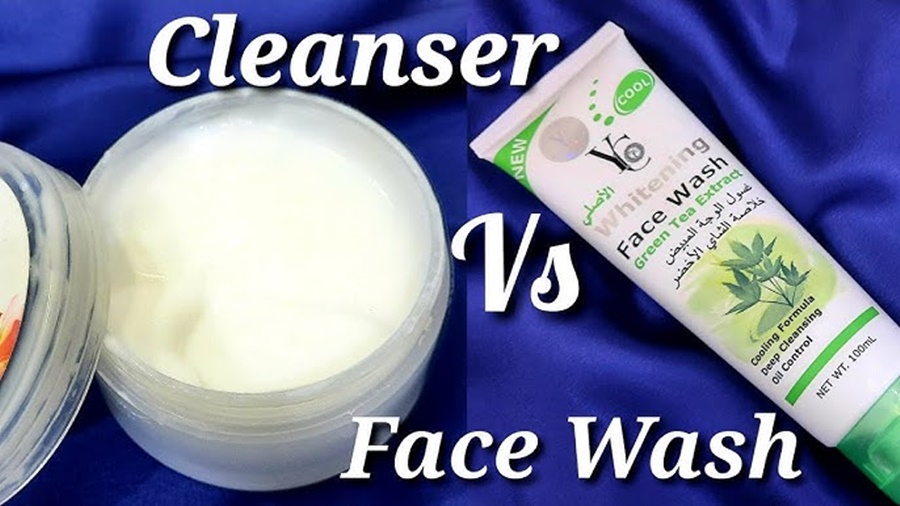
However, many people often confuse face washes and cleansers, assuming they serve the same purpose. Skincare begins with proper cleansing. While both products are designed to remove dirt, oil, and impurities from the skin, they differ significantly in formulation, texture, and suitability for different skin types. Understanding these differences can help you make better skincare choices and achieve healthier skin.

What Is a Face Wash?
A face wash is a skincare product specifically formulated to deeply cleanse the skin. It usually contains ingredients that create foam or lather when mixed with water. Face washes are designed to remove excess oil, sweat, dirt, makeup residue, and pollutants that accumulate on the skin throughout the day.
Most face washes provide a refreshing and clean feeling after use. They are especially effective for individuals with oily or acne-prone skin because they help control excess sebum production and unclog pores.
Benefits of Face Wash
- Removes excess oil and dirt effectively.
- Helps prevent clogged pores and acne breakouts.
- Provides a fresh and clean feeling.
- Suitable for hot and humid climates.
- Often contains ingredients that target specific skin concerns such as acne or oiliness.
Potential Drawbacks
- May strip the skin of natural oils if used excessively.
- Some formulations can cause dryness or irritation.
- Not always suitable for very dry or sensitive skin types.
What Is a Cleanser?
A cleanser is a gentler skincare product designed to clean the skin while maintaining its natural moisture barrier. Cleansers often have a creamy, milky, gel-like, or lotion-based texture. Unlike many face washes, cleansers typically do not produce much foam.
Their primary purpose is to remove dirt, makeup, sunscreen, and impurities without over-drying the skin. Cleansers are particularly beneficial for people with dry, sensitive, mature, or dehydrated skin.
Benefits of Cleanser
- Gently removes impurities without stripping moisture.
- Maintains the skin’s natural protective barrier.
- Ideal for dry and sensitive skin.
- Often contains hydrating and soothing ingredients.
- Can effectively remove light makeup and sunscreen.
Potential Drawbacks
- May not remove excess oil as thoroughly as a face wash.
- Some users may feel the skin is not “deep cleaned.”
- Heavy makeup may require an additional cleansing step.
Key Differences Between Face Wash and Cleanser
| Feature | Face Wash | Cleanser |
|---|---|---|
| Texture | Foamy or gel-based | Creamy, milky, lotion, or gel |
| Lather | Produces foam | Minimal or no foam |
| Cleaning Power | Deep cleansing | Gentle cleansing |
| Oil Removal | High | Moderate |
| Moisture Retention | Lower | Higher |
| Best For | Oily and acne-prone skin | Dry, sensitive, and mature skin |
| Daily Use | Usually twice daily | Suitable for frequent use |
Which One Should You Choose?
The choice between a face wash and a cleanser depends largely on your skin type and skincare goals.
For Oily Skin
People with oily skin generally benefit more from a face wash. Its deeper cleansing action helps remove excess oil and reduce shine throughout the day.
For Dry Skin
A cleanser is usually the better option for dry skin because it cleans without disrupting the skin’s moisture balance.
For Sensitive Skin
Gentle cleansers are recommended for sensitive skin. They are less likely to cause irritation, redness, or dryness.
For Combination Skin
Individuals with combination skin may benefit from using both products. For example, a gentle cleanser in the morning and a face wash in the evening can help maintain balance.
For Acne-Prone Skin
A face wash containing ingredients such as salicylic acid or benzoyl peroxide can help control acne. However, it should not be overly harsh, as excessive dryness may worsen skin problems.
Can You Use Both?
Yes. Many skincare experts recommend a double-cleansing routine, especially for people who wear makeup or sunscreen daily.
A typical routine may include:
- Use a cleanser to remove makeup, sunscreen, and surface impurities.
- Follow with a face wash to deeply clean the pores and remove excess oil.
This method ensures thorough cleansing while minimizing irritation.
Common Mistakes to Avoid
Over-Cleansing
Washing your face too frequently can damage the skin barrier and lead to dryness, irritation, or increased oil production.
Choosing the Wrong Product
Using a strong face wash on dry skin or a heavy cleanser on very oily skin may create imbalance and worsen skin concerns.
Ignoring Ingredients
Always check product ingredients and choose formulas suitable for your skin type. Avoid harsh sulfates if your skin is sensitive or prone to dryness.
Using Hot Water
Hot water can strip the skin of natural oils. Lukewarm water is generally the best choice for cleansing.

Cost Comparison and Maintenance
Pricing can vary significantly between face washes and cleansers. Typically, a good face wash ranges from $5 to $30, depending on the brand and formulation. Cleansers can range from $10 to over $50 for premium brands.
Investing in a quality product is beneficial for long-lasting results. A small amount goes a long way, so even pricier options can be more cost-effective because they last longer. Always check the expiration date on products, as old formulations can become less effective and may irritate your skin.
For a more detailed comparison on face wash vs cleanser, including the benefits and proper usage, refer to expert sources.
Conclusion
Although face washes and cleansers share the same basic goal of cleaning the skin, they serve different purposes. Face washes provide a deeper cleanse and are typically better suited for oily and acne-prone skin. Cleansers offer a gentler approach, making them ideal for dry, sensitive, and mature skin types.
The best choice depends on your individual skin needs. By understanding the differences between these products and selecting the right one for your skin type, you can build a more effective skincare routine and maintain healthier, more balanced skin.
Leave a Reply