
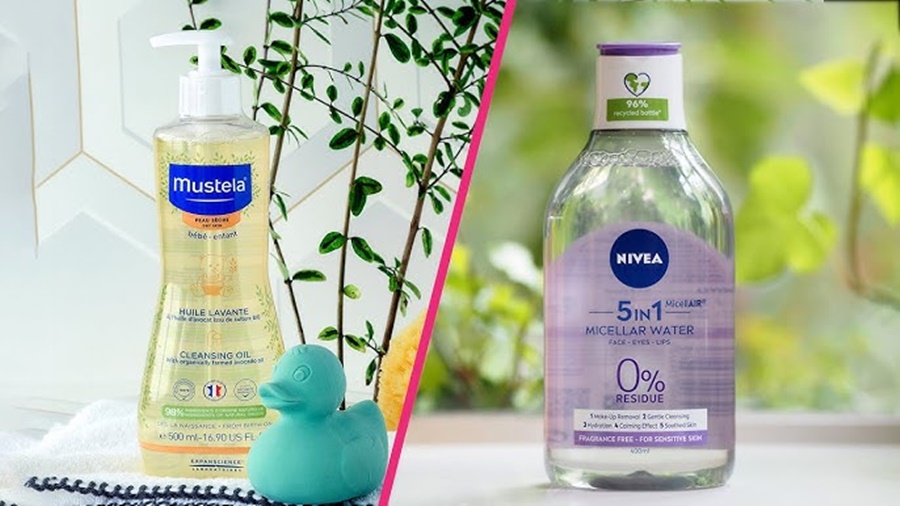
Two popular cleansing products are face wash and micellar water. When it comes to skincare, cleansing is one of the most important steps. A clean face helps remove dirt, oil, makeup, sweat, and environmental pollutants that accumulate throughout the day. While both are designed to clean the skin, they work in different ways and serve different purposes.
Understanding the differences between face wash and micellar water can help you choose the right product for your skincare routine and skin type.

What Is Face Wash?
Face wash is a cleansing product that uses surfactants to remove dirt, excess oil, makeup, and impurities from the skin. It is usually available in gel, foam, cream, or liquid form and requires water for application and rinsing.
Face wash penetrates deep into the pores and helps remove buildup that can lead to acne, blackheads, and dull skin. Most dermatologists recommend washing the face at least twice a day with a suitable cleanser.
Benefits of Face Wash
- Deeply cleanses the skin
- Removes excess oil and sweat
- Helps prevent clogged pores
- Reduces the risk of acne breakouts
- Leaves the skin feeling fresh and clean
- Available for different skin types and concerns
Drawbacks of Face Wash
- Requires access to water
- Some formulas may cause dryness if used excessively
- Harsh cleansers can strip the skin’s natural oils
What Is Micellar Water?
Micellar water is a gentle cleansing solution made with purified water, moisturizers, and tiny cleansing molecules called micelles. These micelles attract dirt, oil, and makeup like magnets, allowing them to be lifted from the skin without harsh rubbing.
Micellar water is usually applied using a cotton pad and does not require rinsing, making it a convenient option for quick cleansing.
Benefits of Micellar Water
- Gentle on sensitive skin
- No rinsing required
- Effectively removes light makeup
- Hydrates while cleansing
- Convenient for travel and on-the-go use
- Suitable for quick touch-ups during the day
Drawbacks of Micellar Water
- May not completely remove heavy makeup or waterproof products
- Can leave residue on the skin
- Does not provide as deep a cleanse as face wash
- May require multiple cotton pads for thorough cleansing
Key Differences Between Face Wash and Micellar Water
| Feature | Face Wash | Micellar Water |
|---|---|---|
| Cleansing Power | Deep cleansing | Light to moderate cleansing |
| Requires Water | Yes | No |
| Removes Heavy Makeup | Usually yes | Often limited |
| Suitable for Oily Skin | Excellent | Good for light cleansing |
| Suitable for Sensitive Skin | Depends on formula | Usually very gentle |
| Removes Excess Oil | Highly effective | Moderately effective |
| Travel-Friendly | Less convenient | Highly convenient |
| Daily Use | Recommended | Recommended as needed |
Which Is Better for Oily Skin?
People with oily skin generally benefit more from a face wash because it removes excess sebum and helps keep pores clear. Gel and foaming cleansers are particularly effective for controlling oil production.
Micellar water can be useful for refreshing oily skin during the day, but it may not provide enough cleansing on its own, especially after exposure to pollution, sweat, or makeup.
Which Is Better for Dry Skin?
Both products can work well for dry skin when chosen carefully. A moisturizing cream face wash can cleanse without stripping the skin, while micellar water offers a gentle alternative that minimizes irritation.
Individuals with very dry skin may prefer micellar water in the morning and a hydrating face wash in the evening.
Which Is Better for Sensitive Skin?
Micellar water is often considered one of the best cleansing options for sensitive skin because it cleanses gently without aggressive rubbing or rinsing. However, fragrance-free and alcohol-free formulas are recommended to reduce the risk of irritation.
A mild, dermatologist-tested face wash can also be suitable for sensitive skin.
Can You Use Both Together?
Yes. Many skincare experts recommend using both products as part of a double-cleansing routine.
A common routine includes:
- Use micellar water to remove makeup, sunscreen, and surface impurities.
- Follow with a face wash to deeply cleanse the skin and remove any remaining residue.
This approach is especially beneficial for people who wear makeup, sunscreen, or spend a lot of time outdoors.
When Should You Choose Micellar Water?
Micellar water is a good choice when:
- You need a quick cleanse without water
- You are traveling
- Your skin is sensitive or irritated
- You want to remove light makeup
- You need a midday refresh

When Should You Choose Face Wash?
Face wash is the better option when:
- You want a deep cleanse
- You have oily or acne-prone skin
- You wear sunscreen daily
- You use heavy makeup
- You need to remove sweat and environmental pollutants
Conclusion
Face wash and micellar water are not direct competitors but complementary skincare products. Face wash provides a deeper cleanse and is generally the better choice for everyday cleansing, especially for oily and acne-prone skin. Micellar water offers convenience and gentle cleansing, making it ideal for sensitive skin, travel, and makeup removal.
For the best skincare results, many people benefit from using both products together. Micellar water can remove surface impurities and makeup, while face wash ensures the skin is thoroughly cleansed and refreshed. Choosing the right product ultimately depends on your skin type, lifestyle, and personal skincare needs. For further insights on Face Wash vs Micellar Water, consider checking specialized sources.
Leave a Reply