
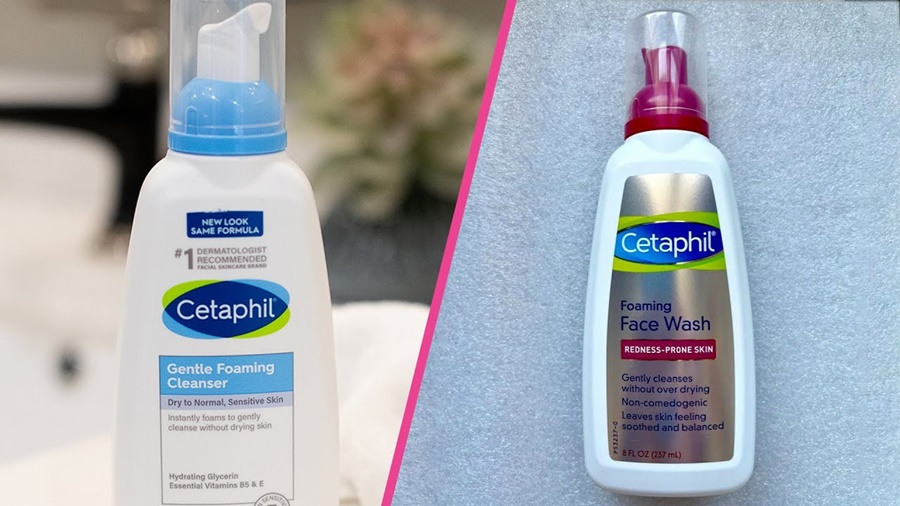
Two popular cleansing options are face wash and cleansing oil. Proper cleansing is the foundation of every effective skincare routine. Whether you wear makeup daily or simply want to remove dirt and excess oil, choosing the right cleanser can significantly impact your skin’s health and appearance. While both are designed to clean the skin, they work in very different ways and offer unique benefits.
This article explores the differences between face wash and cleansing oil, their advantages, disadvantages, and how to determine which option is best suited for your skin type and skincare goals.

What Is a Face Wash?
A face wash is a water-based cleanser specifically formulated to remove dirt, sweat, excess oil, bacteria, and impurities from the skin’s surface. Face washes are available in various forms, including gels, foams, creams, and lotions.
Benefits of Face Wash
1. Deep Cleansing
Face washes effectively remove surface dirt, sweat, and excess sebum that accumulate throughout the day.
2. Suitable for Daily Use
Most face washes are designed for morning and evening cleansing, making them convenient for everyday skincare routines.
3. Variety of Formulations
There are face washes available for different skin concerns, including acne, dryness, sensitivity, and aging.
4. Lightweight Feel
After cleansing, many users enjoy the fresh and clean feeling that face washes provide.
Drawbacks of Face Wash
- Some formulas can strip the skin of natural oils.
- Harsh cleansers may cause dryness or irritation.
- Certain face washes struggle to completely remove waterproof makeup and heavy sunscreen.
What Is a Cleansing Oil?
A cleansing oil is an oil-based cleanser designed to dissolve makeup, sunscreen, excess sebum, and other oil-based impurities. It works on the principle that “oil dissolves oil,” making it highly effective for breaking down stubborn products on the skin.
When mixed with water, most cleansing oils emulsify into a milky texture that rinses away easily.
Benefits of Cleansing Oil
1. Excellent Makeup Removal
Cleansing oils effortlessly dissolve foundation, waterproof mascara, lipstick, and other long-wearing cosmetics.
2. Effective Sunscreen Removal
Many sunscreens are designed to be water-resistant, making cleansing oils particularly useful for thorough removal.
3. Maintains Skin Hydration
Unlike some harsh cleansers, cleansing oils generally preserve the skin’s natural moisture barrier.
4. Suitable for Most Skin Types
Contrary to popular belief, cleansing oils can benefit oily and acne-prone skin when formulated correctly.
Drawbacks of Cleansing Oil
- Some people dislike the oily texture.
- Poor-quality formulations may clog pores.
- May require a second cleanser for a completely clean finish.
- Can be more expensive than basic face washes.
Key Differences Between Face Wash and Cleansing Oil
| Feature | Face Wash | Cleansing Oil |
|---|---|---|
| Main Purpose | Remove dirt, sweat, and excess oil | Dissolve makeup, sunscreen, and oil-based impurities |
| Texture | Gel, foam, cream, or lotion | Oil-based liquid |
| Makeup Removal | Moderate | Excellent |
| Hydration Level | Varies by formula | Generally moisturizing |
| Best for Heavy Makeup | Not always effective | Highly effective |
| Double Cleansing | Often used as second step | Often used as first step |
| Skin Barrier Support | Depends on ingredients | Usually gentler on skin barrier |
Which Is Better for Different Skin Types?
Oily Skin
Many people assume oily skin should avoid cleansing oils, but that is not necessarily true. A lightweight, non-comedogenic cleansing oil can effectively dissolve excess sebum without over-drying the skin.
Recommended approach:
- Cleansing oil at night for makeup and sunscreen removal.
- Gentle face wash afterward if needed.
Dry Skin
Dry skin often benefits from cleansing oils because they help maintain moisture while cleansing.
Recommended approach:
- Hydrating cleansing oil.
- Gentle cream-based face wash if double cleansing is desired.
Sensitive Skin
Sensitive skin may react poorly to strong foaming cleansers.
Recommended approach:
- Fragrance-free cleansing oil.
- Mild, non-irritating face wash.
Acne-Prone Skin
Acne-prone individuals should choose non-comedogenic products.
Recommended approach:
- Lightweight cleansing oil formulated for acne-prone skin.
- Follow with a gentle acne-friendly face wash.
Understanding Double Cleansing
Double cleansing is a skincare method that combines both cleansing oil and face wash.
Step 1: Cleansing Oil
Removes:
- Makeup
- Sunscreen
- Excess sebum
- Environmental pollutants
Step 2: Face Wash
Removes:
- Remaining residue
- Sweat
- Dirt
- Water-based impurities
Double cleansing is especially beneficial for people who wear makeup, apply sunscreen daily, or live in polluted environments.
When Should You Choose a Face Wash?
A face wash may be sufficient if:
- You do not wear makeup.
- You use minimal skincare products.
- Your skin feels comfortable with a single cleanse.
- You prefer a quick and simple routine.
When Should You Choose a Cleansing Oil?
A cleansing oil is an excellent choice if:
- You regularly wear makeup.
- You use water-resistant sunscreen.
- Your skin feels dry after washing.
- You want a gentle cleansing experience.
Can You Use Both Together?
Yes. In fact, many dermatologists and skincare experts recommend using both as part of a double-cleansing routine.
Using a cleansing oil first helps dissolve oil-based impurities, while a face wash removes any remaining residue. This combination provides a thorough cleanse without excessive scrubbing or irritation.

Common Myths About Cleansing Oils
Myth 1: Cleansing Oils Cause Breakouts
Not all cleansing oils clog pores. Many modern formulations are specifically designed for oily and acne-prone skin.
Myth 2: Oily Skin Should Avoid Oils
Using the right cleansing oil can help remove excess sebum gently without disrupting the skin barrier.
Myth 3: Face Wash Removes Everything
While face washes are effective cleansers, they may not fully remove waterproof makeup or heavy sunscreen on their own. For more detailed information, you can refer to face wash vs cleansing oil.
If that matters to you, our piece on face oil goes further.
Conclusion
Face wash and cleansing oil serve different purposes rather than competing with each other. A face wash excels at removing daily dirt and sweat, while a cleansing oil is highly effective at dissolving makeup, sunscreen, and excess oil. For people who wear makeup or sunscreen regularly, combining both products through double cleansing often delivers the best results.
Ultimately, the right choice depends on your skin type, lifestyle, and skincare routine. If you seek simplicity, a gentle face wash may be enough. If you want deeper cleansing without sacrificing hydration, a cleansing oil or a combination of both can be an excellent solution for healthier, cleaner skin.
Leave a Reply