
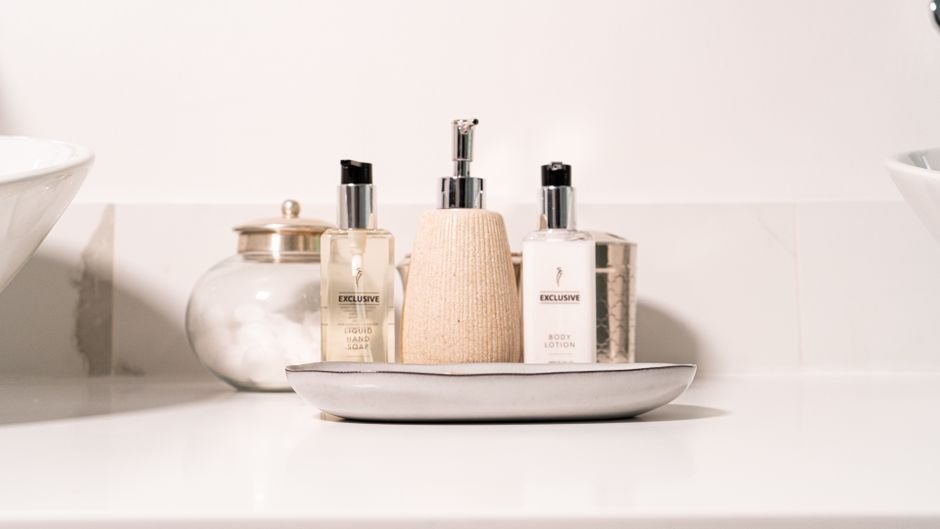
According to a survey, nearly 60% of people don’t consider ingredients when selecting body wash and lotion, leading to poor skin health. Choosing quality products can elevate your routine, transforming an everyday wash into a richly nourishing experience.
This article digs into what truly matters when selecting a body wash and lotion, especially in terms of skin hydration and dermatologist recommendations. Knowing what to pay for and the hidden costs can save you time and money while keeping your skin looking its best.

The Case for Body Wash and Lotion
To start, let’s clarify why using both body wash and lotion is essential. Body wash effectively cleanses the skin, removing impurities and dead cells. However, many types can strip the skin of natural oils, leading to dryness. On the other hand, lotion acts as a barrier, locking in moisture and preventing that tight feeling some of us know all too well after showering.
Using both can drastically improve your skin’s texture and hydration levels. I’ve personally noticed that my skin feels softer and more supple when I stick to a routine of using body wash followed by a hydrating lotion. Think of them as two pieces of a puzzle: body wash cleans while lotion hydrates.
Choosing the Right Body Wash for Your Skin Type
Not all body washes are suitable for every skin type, and this is where many people get it wrong. If you have oily skin, look for body washes that contain salicylic acid or tea tree oil, both well known for reducing excess oil.
For dry skin types, a creamy, hydrating body wash with natural ingredients like coconut oil or shea butter will work better, providing nourishment rather than just cleansing.
More importantly, check for added fragrances and sulfates in your body wash; these can irritate sensitive skin. Opt for dermatologist-recommended products whenever possible. They may cost slightly more upfront, but the benefits often outweigh the initial investment. If you want to explore these differences further, check out my review on body wash vs body cleanser where I dive deeper into moisturizing options.

The Importance of Quality Lotion
After you’ve cleansed your skin, applying lotion is non-negotiable. Many lotions tout miraculous hydrating properties, but the truth is that not all are created equal. Go for lotions with high concentrations of humectants, like glycerin or hyaluronic acid, to attract moisture to your skin. Ingredients such as ceramides or fatty acids will reinforce your skin’s barrier, preventing moisture loss.
While natural ingredients seem to be all the rage, they don’t always mean better hydration. Some brands market as “natural” but still include irritants. Before purchasing, examine the ingredients list and avoid those with parabens and synthetic fragrances. The higher the quality of the lotion, the more likely it will genuinely improve your skin’s hydration.
Routine Matters: Timing and Application
Your routine isn’t just about what products you choose, but also how you apply them. Ideally, you should apply lotion right after your shower when your skin is still damp; this helps trap the moisture in. I’ve found that massaging the lotion into my skin rather than just slapping it on feels more luxurious and significantly improves absorption.
It’s worth noting that for areas prone to dryness, like elbows and knees, a heavier cream or lotion will yield better results. Many people overlook this detail, opting for a one-size-fits-all approach, which can ultimately lead to dissatisfaction.
Overall Value: What’s Worth Your Money?
Investing in a good body wash and lotion is about balance. You don’t need to break the bank, but be prepared to spend a little more if you want quality ingredients. Remember that cheaper brands often sacrifice efficacy for cost, meaning you could waste money on a product that leaves your skin feeling worse rather than better.
When I look at spending around $15 for a quality body wash or lotion that lasts at least a month, I consider that a wise investment. Conversely, purchasing cheaper options that need to be replaced every few weeks add up, making the overall cost much higher. So, choose wisely; your skin will thank you. You can also refer to product labels for specific ingredient information.
The Verdict: Body Wash and Lotion That Work
For the best results, consider using CeraVe Hydrating Body Wash and Eucerin Advanced Repair Lotion. CeraVe is ideal for dry skin types, while Eucerin effectively targets those needing deep moisture, ensuring a tailored approach to skincare.
Frequently Asked Questions
What is the difference between body wash and lotion?
Body wash is a liquid cleansing product used in the shower or bath to remove dirt and impurities from the skin, while lotion is a moisturizing product applied after cleansing to hydrate and protect the skin. Body wash typically contains surfactants to create lather, whereas lotion contains emollients and humectants to lock in moisture.
Why should you use a body wash and lotion combo?
Using a body wash and lotion combo helps to keep your skin clean and moisturized, as body wash cleanses the skin while lotion replenishes hydration. This dual approach can enhance skin health and prevent dryness, particularly in drier climates or during colder months.
How often should you apply lotion after body wash?
It’s best to apply lotion immediately after using body wash, ideally every time you shower or bathe. This helps to seal in moisture while your skin is still damp, making it more effective in maintaining hydration.
Can you use body wash as a lotion?
No, body wash is formulated for cleansing and does not provide the moisturizing benefits required for skin hydration. While it may contain some moisturizing ingredients, it lacks the emollients necessary for effective skin care like a lotion does.
Is it necessary to use lotion after body wash?
Using lotion after body wash is recommended, especially if you have dry or sensitive skin. While body wash cleanses, it can also strip natural oils, so applying lotion helps to restore moisture and maintain skin health.
Leave a Reply