
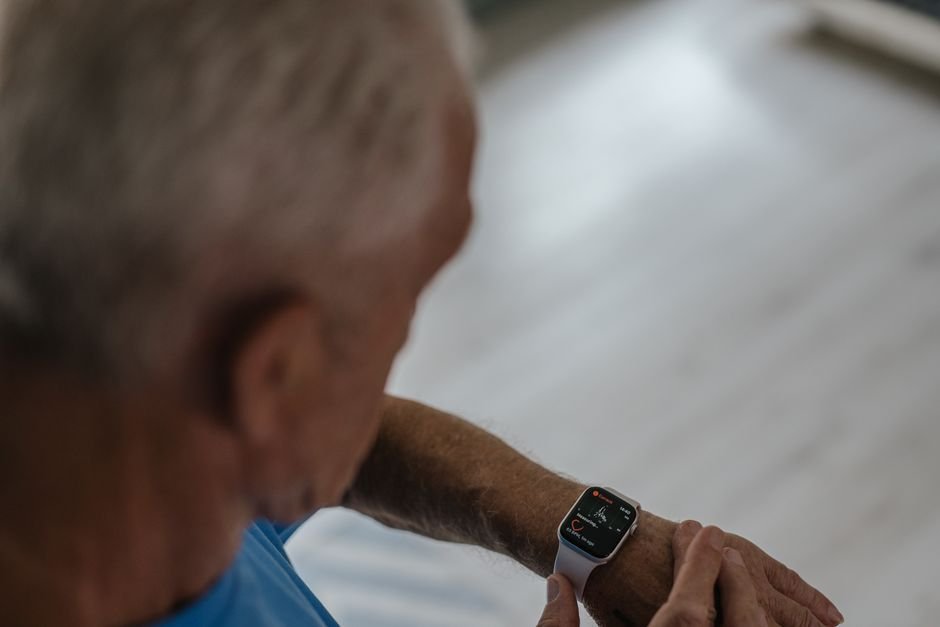
Studies show that over 50% of adults now wear health devices that track various bodily metrics. These gadgets are more than just pedometers; they play a crucial role in enhancing your overall well-being and beauty. Here are seven key advantages of wearable health devices that can transform your beauty regimen.
Tracking your fitness and health metrics is no longer a luxury but a necessity. Those who invest in these devices are often more aware of their daily habits and how they correlate to their beauty and wellness goals.

1. Enhanced Fitness Tracking
Fitness tracking is at the forefront of what wearable health devices offer. These gadgets can precisely monitor your daily activity levels, including steps taken, calories burned, and distance traveled. If you aim to achieve a specific fitness or weight-loss goal, this continuous monitoring can provide the motivation needed to stay on track. For instance, I find that setting daily step goals keeps me accountable.
To enhance your routine, consider syncing your activity tracker with a fitness app for more comprehensive insights and to refine your goals. This combination can keep your motivation high.
2. Accurate Heart Rate Monitoring
Heart rate monitoring is another significant benefit that many wearables provide. Knowing your heart rate during workouts helps you evaluate how hard you’re pushing yourself. For beauty enthusiasts, maintaining a stable heart rate not only aids in staying fit but can also contribute to smoother, healthier skin since good circulation is essential for skin clarity.
I rely on my smartwatch’s heart rate feature to ensure I’m in the optimal zone for maximum fat burn.
If you’re training for an event, pay attention to how your heart rate fluctuates during different exercises. This data is invaluable for adjusting your routine to effectively meet your fitness targets.
3. Stress and Sleep Management
Managing stress levels is crucial for beauty, and wearables often come with features that track stress and sleep patterns. Many devices are equipped with sensors that monitor physiological stress indicators, allowing you to address stress before it becomes overwhelming. Quality sleep is essential for maintaining healthy skin, and knowing how well you’ve slept can guide you in adjusting your bedtime routine accordingly.
I find that wearing my device to bed gives me insights into my sleep quality and lets me know when to prioritize rest.
To make the most of this feature, try deep-breathing exercises or gentle yoga based on your tracked stress levels. Combining these methods can enhance your relaxation routine, promoting better sleep and beauty.
4. Tracking Skin Health with Wearables
Some advanced wearables now additionally focus on skin health tracking factors like UV exposure and hydration levels. Understanding your skin’s hydration needs is essential. For instance, if you’re spending time outdoors, a device that alerts you to UV levels can prompt you to apply sunscreen, thereby protecting your skin. The intersection of technology and skincare is benefitting users who want to maintain glowing skin.
Look for devices with specific skincare monitoring features if skin health is a priority for you. These add a layer of customization to your beauty regimen that can make a real difference.

5. Customized Health Insights
Wearables are excellent for providing personalized data regarding your health. Through regular monitoring, you can understand your body better and make informed decisions based on accurate data rather than assumptions. For example, if you notice your energy dips at specific times of day, it might signal a need for dietary changes.
By tailoring your approach, you can enhance both your physical fitness and how you feel about your appearance.
Utilize this personalized insight to adjust your routine. Implementing a more balanced diet or hydration strategy based on your findings can drastically improve your overall well-being.
6. Improved Accountability and Motivation
One of the often-overlooked benefits of wearable health devices is the accountability they provide. By quantifying your health metrics, you’ll create a sense of responsibility toward your fitness goals. This accountability can be empowering and motivating, especially for individuals who struggle to stay consistent with their routines. I know that when I set fitness challenges through my watch, it keeps me engaged and focused.
Consider setting month-long challenges to keep things fresh. The thrill of achieving small goals can significantly enhance motivation over time.
7. Connectivity with Fitness Community
Finally, many wearables come with features that allow you to connect with a fitness community. Sharing achievements and health journeys with others creates a supportive environment that fosters commitment to your goals. Seeing others succeed can inspire you to put in the extra effort, whether it’s hitting a new personal record or trying a new skincare line based on peer recommendations.
This social aspect has reshaped how I approach fitness and wellness.
Engage with your community through leaderboards or challenges, and you may find that a little friendly competition drives you further than you thought possible.
Making the Most of These Devices
The Fitbit Charge 5 is a solid choice for anyone focused on comprehensive health tracking, while the Oura Ring is better suited for those prioritizing sleep and recovery. Whichever device you choose, ensure it aligns with your personal health objectives to maximize its benefits.
Frequently Asked Questions
What are the health benefits of wearable devices?
Wearable devices provide real-time health monitoring, allowing users to track vital signs like heart rate, blood pressure, and oxygen levels. They empower individuals to take proactive steps towards their health and well-being by providing personalized feedback and insights.
How do wearable devices improve fitness?
Wearable devices help improve fitness by tracking physical activities such as steps taken, calories burned, and workout intensity. They often include features like goal-setting, reminders, and progress tracking to motivate users to stay active and maintain a consistent exercise routine.
Can wearable devices monitor skin health?
Yes, some wearable devices are designed to monitor skin health by tracking UV exposure, hydration levels, and skin temperature. These features can help users manage skin conditions and protect their skin from damage.
Why use wearable technology in healthcare?
Wearable technology in healthcare streamlines data collection and enhances patient engagement by providing continuous monitoring outside traditional clinical settings. This leads to better management of chronic conditions, improved patient outcomes, and reduced healthcare costs.
Do wearable health devices track sleep effectively?
Many wearable health devices effectively track sleep patterns by using sensors to monitor movements and heart rate during sleep. They provide insights into sleep duration and quality, helping users understand their sleep habits and make necessary adjustments for better rest.
Exploring the benefits of wearable health devices in furthering medical research can lead to groundbreaking advancements. For more insights, visit Exploring the promise of wearable devices.
Leave a Reply