
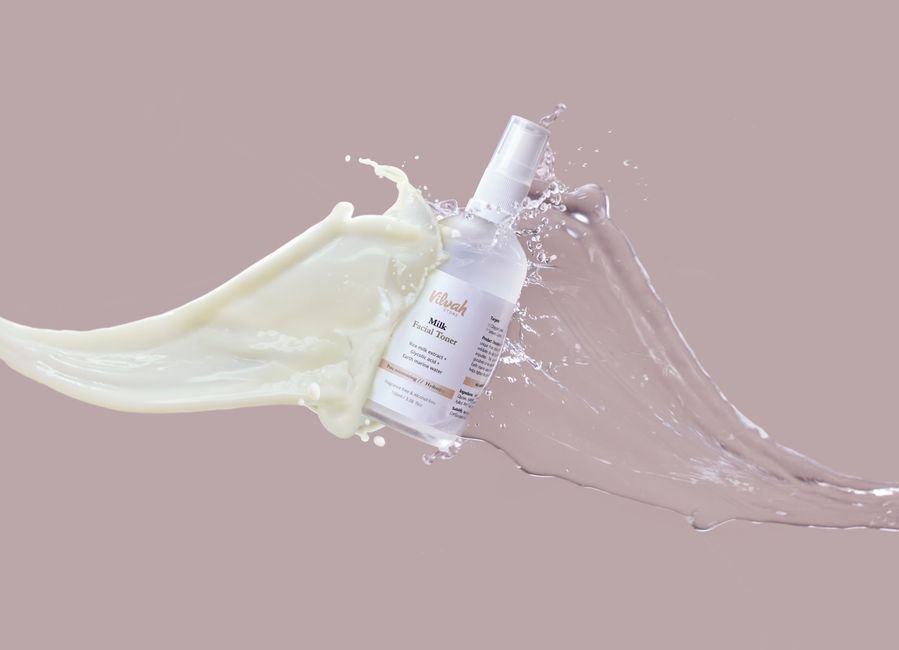
Over 50% of skincare enthusiasts overlook the importance of toner, treating it as an optional step. However, toner serves a vital purpose in your skincare routine, acting as a prep step that can enhance the effectiveness of serums and moisturizers. Understanding what toner does for your skin is crucial for achieving the desired results.
Toner serves multiple functions that can significantly enhance the health of your skin. From removing leftover impurities after cleansing to helping restore your skin’s natural pH balance, a good toner can offer major benefits. It’s also a step that primes your skin for the subsequent products you apply, making them more effective.
I’ll cover the various roles toner plays, common misconceptions, and how to choose the right one for your skincare needs.

Why People Get Toner Wrong
One of the most common mistakes people make is using toner solely as an afterthought. Many think it’s just for freshening up or removing residual makeup. However, toner has much more potential. Some toners contain active ingredients that can target specific skin concerns such as acne, dullness, or signs of aging.
A lot of brands tout their toners as skincare multitaskers, but not all deliver on that promise. The reality is you should examine the ingredients closely. Alcohol-based toners, for instance, can strip your skin of essential moisture and cause irritation. Choose a formulation that aligns with your skin type and concerns, rather than selecting based on brand popularity or vague claims.
This can save you from damaging your skin and hitting a plateau in your skincare results.
The Role of Toner in Skincare
Beyond just being a cleansing agent, toner enhances the effectiveness of subsequent skincare products. After using a cleanser, your skin may still possess traces of impurities or makeup. A cleansing toner can help eliminate these leftovers, ensuring that your face is truly clean. This clean slate allows serums and moisturizers to penetrate better.
Additionally, toners can boost hydration. Many formulations contain humectants like glycerin or hyaluronic acid, which draw moisture to your skin. This is especially important if you live in a dry climate or during winter months when skin tends to be drier. Always opt for a toner that creates a hydrating effect instead of one that leaves your skin feeling tight, a sure sign of over-drying.
How Toner Balances Skin’s pH
Your skin operates best at a slightly acidic pH, typically around 4.5 to 5.5. Cleansing can disrupt this balance, particularly if you use strong or alkaline cleansers. This is where toner comes in. It can help re-establish the skin’s natural pH, making it more resilient against environmental aggressors and enhancing its overall function.
Restoring pH is crucial because when your skin is balanced, it can effectively ward off bacteria and maintain moisture. I’ve noticed that a slight change in the pH of my skin can exacerbate issues like breakouts or dryness. So, finding a gentle, pH-balanced toner can lead to improved skin health over time, seamlessly leading into an effective skincare routine.
If you want to know more about how cleansing products fit into your regimen, check out my article on Face Wash vs Toner.

Choosing the Right Toner for Your Skin Type
Picking the right toner can make all the difference, and the options can be overwhelming. Start by determining your skin type. For oily or acne-prone skin, look for toners that contain ingredients like witch hazel or salicylic acid. Conversely, if you have dry or sensitive skin, opt for alcohol-free toners infused with soothing ingredients like aloe vera or chamomile.
A key factor is also to check the ingredient list for additives that may cause irritation. Fragrance, even if it’s natural, can sometimes wreak havoc on sensitive skin. I’ve found that simpler is often better. Always do a patch test with new products before fully incorporating them into your routine.
Related reading: really transform.
The Bottom Line on Toner
I recommend using a hydrating toner containing ingredients like hyaluronic acid for dry skin, while those with oily or acne-prone skin should opt for a toner with salicylic acid. Investing in a tailored toner can improve your skin’s balance and clarity, making it a worthwhile addition to your regimen.
Frequently Asked Questions
Why is toner important for skin?
Toner is important for skin because it helps to remove any residual makeup, dirt, or oil left after cleansing, ensuring a cleaner complexion. It also prepares the skin for better absorption of subsequent skincare products, enhancing their effectiveness.
Can toner cause skin irritation?
Yes, toner can cause skin irritation, especially if it contains harsh ingredients like alcohol or fragrance. It's essential to choose a toner suitable for your skin type and to patch test new products before full application.
How does toner affect acne-prone skin?
Toner can be beneficial for acne-prone skin as it often contains ingredients like salicylic acid or witch hazel, which help to reduce oiliness and prevent breakouts. However, it's important to avoid toners with high alcohol content, as they can dry out the skin and exacerbate acne.
Is toner good for all skin types?
While toner can be beneficial for various skin types, it is essential to select one tailored to your specific needs. For example, those with dry skin should look for hydrating toners, while oily skin types may benefit from astringent formulas.
What ingredients in toner benefit the skin?
Ingredients like hyaluronic acid provide hydration, while witch hazel acts as a natural astringent to minimize pores. Additionally, antioxidants such as vitamin C can protect the skin from environmental damage and brighten the complexion. For more detailed insights about what toner can do, check out this article on what does toner do for your skin.
Leave a Reply