
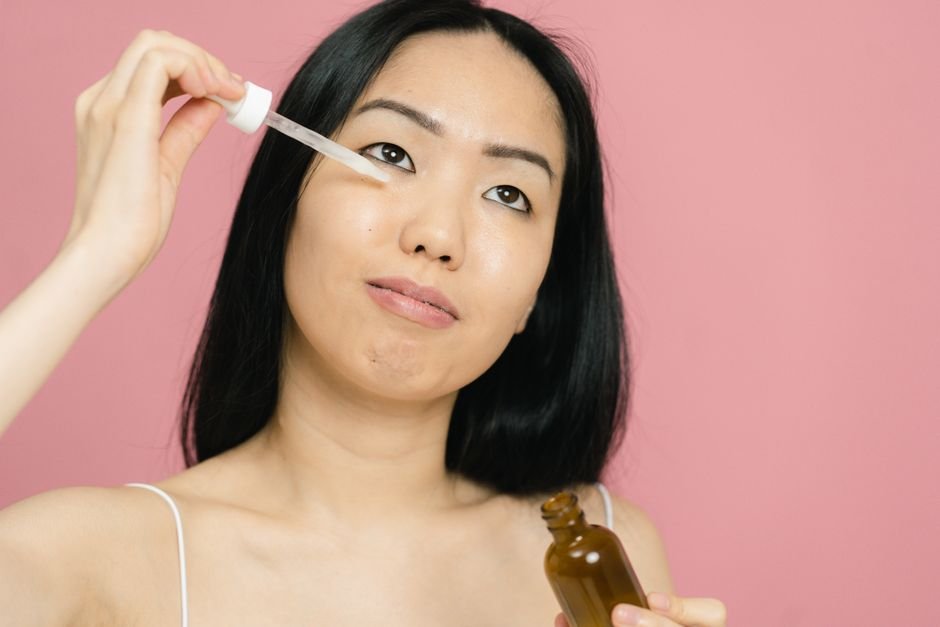
Retinol has been shown to reduce visible signs of aging by up to 50% in many users after a few weeks of consistent application. This ingredient fundamentally alters skin health by boosting collagen and accelerating cell turnover, making it essential in effective anti-aging regimens.
So, how does retinol work? Essentially, it’s a derivative of vitamin A that penetrates deep into the skin, promoting cell turnover and revealing fresher, more youthful skin. By tackling multiple skin issues, from fine lines and wrinkles to uneven texture, retinol truly transforms skin at a cellular level.

The Science Behind Retinol: How It Works
Retinol goes to work in your skin by converting into retinoic acid once applied. This acid interacts with the skin cells, signaling them to accelerate their natural turnover process. Typically, our skin sheds dead cells and generates new ones every 28 days, but this process slows down with age. Retinol speeds things up, helping to slough off those old cells more quickly.
Additionally, retinol stimulates fibroblasts, cells responsible for collagen production. By enhancing collagen synthesis, it helps to fill in fine lines and improve skin elasticity. You can expect a boost in your skin’s firmness and a reduction in signs of aging over time. The results won’t be instantaneous, but with consistent use, improvements in texture and firmness are noticeable.
Benefits of Using Retinol in Your Skincare Routine
Incorporating retinol into your daily skincare routine offers several significant benefits. Firstly, its ability to fade hyperpigmentation and even out skin tone is noteworthy. Over time, you’ll likely discover that age spots, sun damage, and other discolorations begin to diminish.
Another major benefit is its impact on acne. Retinol can unclog pores and prevent new breakouts from forming, making it beneficial not only for those with mature skin but also for younger individuals facing acne issues. Many of today’s best night creams with retinol specifically target these concerns, helping to regulate oil production while promoting a clearer complexion.

Common Missteps When Using Retinol
Even though retinol is incredibly effective, it is not without its potential pitfalls. A common mistake people make is diving in too quickly. I recommend starting with a low concentration to allow your skin to acclimate. Use it two to three times a week at first, gradually increasing frequency as your skin builds tolerance.
This method reduces the risk of irritation, which can occur if you use it every day right out of the gate.
Another thing to watch out for is the misconception that higher concentrations always yield better results. Stronger is not always better, and sometimes, lower concentrations can provide the same benefits with less irritation. If you’re also dealing with sensitive skin, I suggest checking out my guide on the best night cream for sensitive skin, which includes some gentler options.
How to Enhance the Effects of Retinol
To maximize the benefits of retinol, pairing it with other skincare ingredients can be transformative. One standout is hyaluronic acid, which can provide hydration and mitigate potential drying effects from retinol. Using an effective moisturizer after applying retinol can create a barrier that locks in moisture and reduces irritation.
Furthermore, consider the timing of your application. Retinol is best used at night due to its sensitivity to sunlight. During the day, you should always apply sunscreen, as retinol can make your skin more vulnerable to UV damage. It’s a small but crucial step that can amplify the positive effects of retinol on your skin over time.
The Verdict: Is Retinol Right for You?
For those experiencing aging skin or persistent acne, I recommend incorporating retinol into your routine as it addresses various issues effectively. If you have sensitive skin, consider alternatives like bakuchiol, which provides similar benefits with less irritation. Consulting a dermatologist is advisable to tailor a regimen that suits your specific skin needs.
For the underlying data, Med Stanford is worth a look.
See also our take on back acne top picks.
Frequently Asked Questions
What does retinol do at a cellular level?
Retinol functions by increasing cell turnover, promoting the production of new skin cells and enhancing collagen synthesis. This process helps improve skin texture, reduce fine lines, and boost overall radiance.
Why does retinol make skin peel?
Retinol accelerates the shedding of dead skin cells and promotes the regeneration of new cells, which can lead to peeling as the outer layer of skin renews itself. This is a normal part of the exfoliation process that helps to reveal smoother and healthier skin.
Can retinol cause irritation or redness?
Yes, retinol can cause irritation or redness, especially when first introduced to a skincare routine. This is often due to its potency, which can cause dryness or temporary sensitivity as the skin adjusts.
How often should I use retinol?
It is usually recommended to start using retinol once or twice a week, gradually increasing the frequency as your skin becomes accustomed to the treatment. Eventually, many can use it every night, but it's important to listen to your skin and adjust accordingly.
Is retinol effective for acne scars?
Retinol can be effective in improving the appearance of acne scars by promoting cell turnover and stimulating collagen production. This helps to smooth out the skin's texture over time, making scars less noticeable.
Leave a Reply