

Around 30% of users report that their niacinamide serum fails to achieve visible results like reduced redness or improved skin tone. If you've found yourself in this group, it's crucial to investigate why your product isn't performing as expected to enhance your skincare routine effectively.
From my research into niacinamide benefits, it’s clear that while this ingredient can be a powerhouse in skincare, several factors could affect its efficacy on your skin. Let’s dig deeper into the reasons you might find your niacinamide serum not working and explore how to maximize its potential.
Common Reasons for Ineffectiveness
The first thing you need to consider is formulation. Not all niacinamide serums are created equal. Some contain a lower concentration of niacinamide, usually around 2-5%, while more effective products often have around 10%. If your serum has a low concentration, it may not deliver noticeable results in reducing skin redness or uneven skin tone.
Another critical point to evaluate is the other ingredients in your product. Some formulations may include compounds that could negatively interact with niacinamide. For example, products containing vitamin C can cause confusion in your skin, leading to irritation rather than improvement. If you’re combining serums, be cautious about the interactions between active ingredients.
- Low concentration of niacinamide
- Negative interactions with other ingredients
- Incorrect pH levels
Incorrect pH levels can also hinder the absorption of niacinamide. For optimal effectiveness, niacinamide requires a pH between 5 to 7. If your serum is not within this range, it could reduce its chances of working effectively on your skin. This is why checking ingredient lists and pH levels is crucial.
Proper Application Techniques
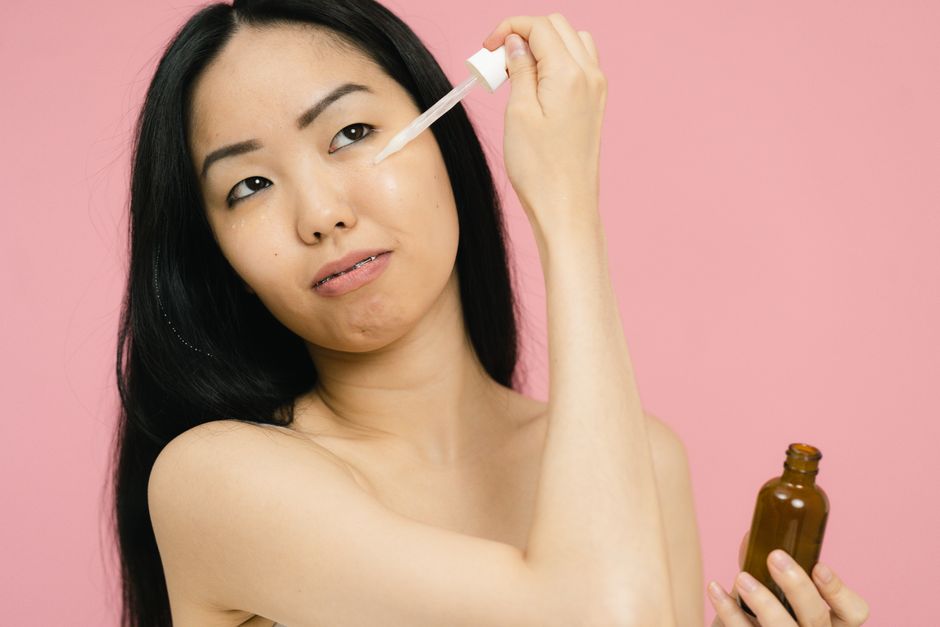
Your application method plays a vital role in the effectiveness of your niacinamide serum. First and foremost, it’s essential to apply the serum to clean skin. Oils and dirt can create barriers that prevent the serum from penetrating your skin properly. When applying, I recommend using a dropper to dispense a few drops onto your fingertips, then gently pressing it into your face.
This method encourages better absorption than simply rubbing it in.
Don’t forget about the layering order. Serums should always be applied before heavier creams. After applying a niacinamide serum, a lightweight moisturizer works best to lock in the serum’s benefits. Avoid applying it over products that are thick and occlusive, as those might negate the benefits of your serum.

Is It Time to Switch Brands?
If you’ve tried everything and still find that your niacinamide serum isn’t producing results, it might be worth looking into different brands. Some well-regarded brands offer formulations that are targeted specifically for various skin conditions, including redness and dullness. Look for those with clinically proven results, rather than trends or price tags.
Do not hesitate to read customer reviews, as they can provide insight into what you might expect from a particular product. However, take any single review with a grain of salt; consistency in feedback is more telling. For instance, if multiple users mention improved skin tone and texture with a specific product, that’s a favorable indicator.
Give It Time
Sometimes, the issue isn’t with the product itself but with our expectations. Niacinamide is not a miracle ingredient and often requires consistent use over several weeks or even months to see significant changes. If you’re expecting instant results, you might be setting yourself up for disappointment.
Commit to a regular application schedule, allowing your skin the necessary time to adapt and respond to the treatment.
In the meantime, track your skin’s progress. Take notes or pictures to compare your skin condition at intervals. This documentation can help you see the gradual improvements that may be missed on a day-to-day basis.
The Verdict on Niacinamide Serums
For the best results, opt for a niacinamide serum with at least 10% concentration, especially if you're targeting acne or pigmentation issues. Those with sensitive skin should consider formulations with lower concentrations and soothing ingredients. Experimenting with different products will help you discover the right match for your skin's needs.
For more, read about secrets for softer skin.
Frequently Asked Questions
Why is my Niacinamide serum not working?
Your Niacinamide serum may not be working due to factors such as incorrect formulation, improper application, or using it alongside incompatible skincare ingredients. Additionally, individual skin types vary, and some people may not respond as effectively to niacinamide as others. For more information on how niacinamide supports healthier skin, check this article how niacinamide supports healthier skin.
How long does it take for Niacinamide to show results?
Niacinamide typically takes about 4 to 12 weeks to show noticeable results, depending on the skin concern being addressed. Consistent use is key, as improvements in skin texture, tone, and breakouts can take time.
Can Niacinamide serum be ineffective?
Yes, niacinamide serum can be ineffective if it is not formulated properly or if it is used incorrectly. Variations in skin type and personal sensitivity can also affect how well it works for someone.
How do I know if Niacinamide is right for my skin?
To determine if niacinamide is right for your skin, consider your specific skin concerns such as acne, redness, or uneven texture. Patch testing a small area can also help gauge your skin's tolerance and reaction before full application.
What are the side effects of Niacinamide serum?
Side effects of niacinamide serum are generally rare but may include mild irritation, redness, or allergic reactions in some individuals. If you experience discomfort or worsening skin conditions, it's advisable to discontinue use and consult a dermatologist.
Leave a Reply