
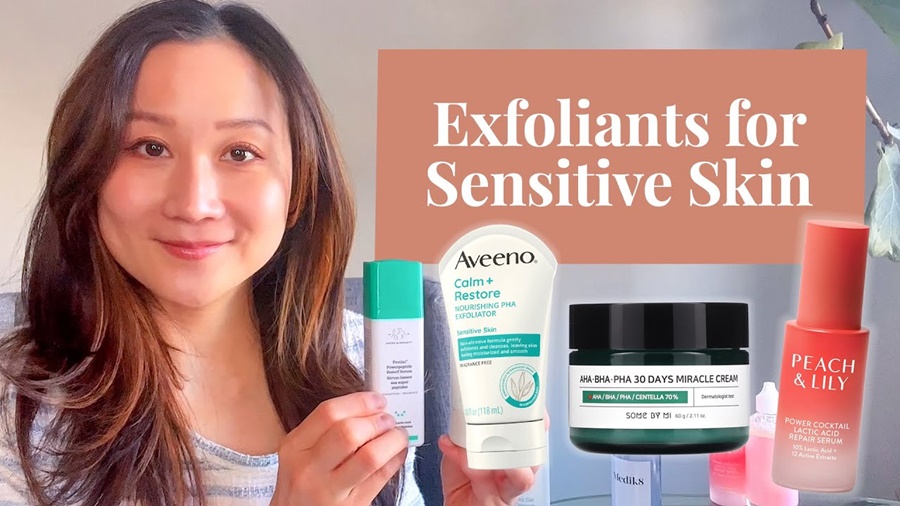
But if you have sensitive skin, the wrong exfoliant or routine can lead to irritation, redness, upset barrier, and even long-term issues. Exfoliation can do wonders for your skin helping to brighten, smooth texture, and improve the absorption of your skincare products.
This guide will walk you through why exfoliation matters, how to do it safely for sensitive skin, what ingredients to look for (and avoid), and what kinds of products tend to work best.
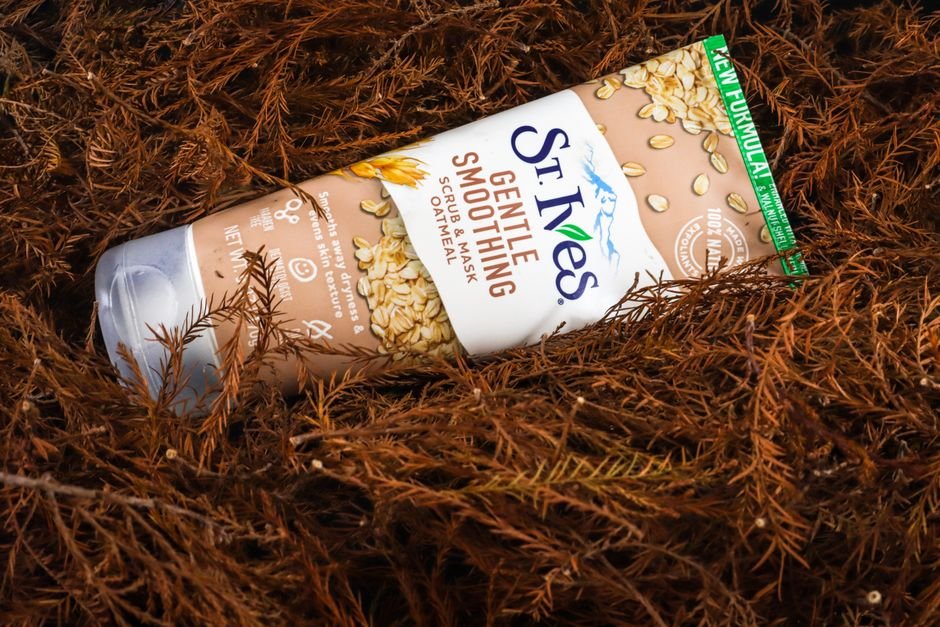
Why Exfoliate at All?
Your skin naturally sheds dead skin cells from the surface, but sometimes the process slows down or gets uneven—especially if skin is dry, stressed, or sensitive. Exfoliation helps:
- remove surface dead cells so your skin looks fresher, less dull
- improve texture (feeling less rough, more “even”)
- help other skincare (moisturisers, serums) absorb better
- reduce clogged pores or dulling in some cases
However: exfoliation is not mandatory. Especially for very sensitive or compromised skin, your skin can manage on its own. Over-doing it can backfire.
What Makes Skin “Sensitive”?
When we say “sensitive skin” we generally mean skin that reacts easily — to new products, to actives, to physical and chemical stress. Indicators: redness, stinging, burning, easily irritated, compromised barrier. For such skin, exfoliation must be done very gently.
How to Exfoliate Safely When Skin is Sensitive
1. Frequency
Less is more. For sensitive skin, exfoliating once a week is often enough. Some dermatologists recommend even less when skin is reactive.
2. Patch Test First
Before using a new exfoliant everywhere, test on a small area (jawline or behind ear) for 24-48 hours. See how your skin reacts.
3. Choose Gentle Formulations
- Prefer chemical exfoliants (low-strength acids) over harsh physical scrubs. Because physical exfoliation can tear or micro-injure the barrier.
- Soft particles if using physical exfoliation (if you do at all) avoid large gritty shells, walnut shells, strong brushes.
- Use lower concentrations of exfoliating acids, and formulas that include soothing/hydrating ingredients.
4. After-care
Always follow with a good hydrating and reparative moisturiser. Avoid combining multiple exfoliating actives, especially if barrier is compromised. And always wear sunscreen exfoliated skin can be more vulnerable.
5. Monitor Skin’s Response
If you notice persistent redness, stinging, flakiness, worse sensitivity: stop exfoliating for a while, revert to very gentle care, repair the barrier, then reintroduce slowly. Over-exfoliation is a real risk.
Ingredients to Look For (and to Avoid)
Gentle/Better Choices for Sensitive Skin
- PHAs (polyhydroxy acids): e.g., gluconolactone. These have larger molecular size so they penetrate more slowly gentler on skin. Recommended for sensitive skin.
- Lactic acid (in low strength) and mandelic acid: among the milder AHAs. Mandelic especially has a large molecule size.
- Enzyme exfoliants: fruit enzymes or gentle chemical exfoliants that dissolve dead cells without harsh scrubbing.
- Products also containing soothing/hydrating ingredients (ceramides, glycerin, aloe, niacinamide) to support barrier.
Ingredients/Approaches to Avoid or Use With Caution
- Harsh physical scrubs with large abrasive particles (walnut shells, large grains) risk micro-tears.
- High-strength glycolic acid in sensitive skin contexts because glycolic penetrates deeper, can be irritating. Many dermatologists caution start slow or avoid with reactive skin.
- Frequent exfoliation (many times/week) when skin is vulnerable. Over-exfoliation = barrier damage.
- Using strong exfoliants while combining many other actives (retinols, aggressive acids) without giving skin time to rebuild.
Which Type of Exfoliation Works Best for Sensitive Skin?
Here are the main “types” and how they stack up for sensitive skin:
- Chemical exfoliation (acids, enzymes): Often the better choice for sensitive skin because you’re not physically abrading. The right formula can be gentle yet effective.
- Physical exfoliation (scrubs, brushes): Riskier for sensitive skin, unless extremely gentle. If you use this type, choose micro-fine grains, soft sponge/cloth, minimal pressure.
- Hybrid/exfoliating devices or tools (e.g., exfoliating brushes): Typically best to avoid or use very sparingly if you have sensitive skin high risk of mechanical damage.
- Enzyme exfoliants: A nice gentle option they “dissolve” dead cells and can be less harsh than acids or scrubs.
Recommended Approach: Step-by-Step Routine
- Cleanse with a mild, non-irritating cleanser.
- At the time you exfoliate (say once/week), apply your chosen exfoliant (follow product instructions).
- For acids: apply to dry/preface as indicated, leave on for correct time, then rinse or leave-on as recommended.
- For enzyme or very mild exfoliants: similar wise.
- Rinse with lukewarm water (not hot) and gently pat skin dry.
- Apply a soothing/repairing moisturiser (with ceramides, glycerin, barrier-supporting ingredients).
- Next morning (and every day) apply broad-spectrum sunscreen, because exfoliated skin may be more vulnerable to photo-damage.
- On non-exfoliation nights use your normal routine, minimise actives if skin is irritated.
- Monitor: If skin responds well (no stinging, no redness, no excessive flaking), you may gradually adjust frequency, but always err on the side of caution.
Typical Mistakes to Avoid
- Exfoliating too often (every night or many times/week) when skin is sensitive.
- Using strong acids (e.g., high % glycolic) without building skin tolerance.
- Combining multiple aggressive actives (strong exfoliant + retinol + physical scrub) in one routine.
- Skipping barrier repair (moisturiser) or skipping sun protection after exfoliation.
- Not patch-testing and assuming “one size fits all”.
- Forgetting that when skin is compromised (sunburn, irritation, breakout), you should pause exfoliation.
We cover look for in exfoliators in more depth separately.
Conclusion
If you have sensitive skin, you can exfoliate but you must do so gently, infrequently, and with appropriate formulations. The reward: softer texture, improved skin tone, better absorption of the rest of your skincare. The risk (if done poorly): redness, irritation, barrier damage, more sensitivity.
By choosing mild chemical/enzymatic options, giving your skin time to recover, patch-testing, and always supporting your barrier with moisture and sun protection, you’ll be able to integrate exfoliation safely into your routine. For more insights on Best Exfoliators for Sensitive Skin, check out this guide.
Leave a Reply