

To help you get the best results from your skincare routine, here are some common exfoliation mistakes to avoid and how to fix them. Exfoliation is one of the most effective ways to achieve smooth, glowing, and healthy-looking skin. It helps remove dead skin cells, unclog pores, and improve the absorption of skincare products.
However, when done incorrectly, exfoliation can cause more harm than good—leading to irritation, dryness, or even breakouts.
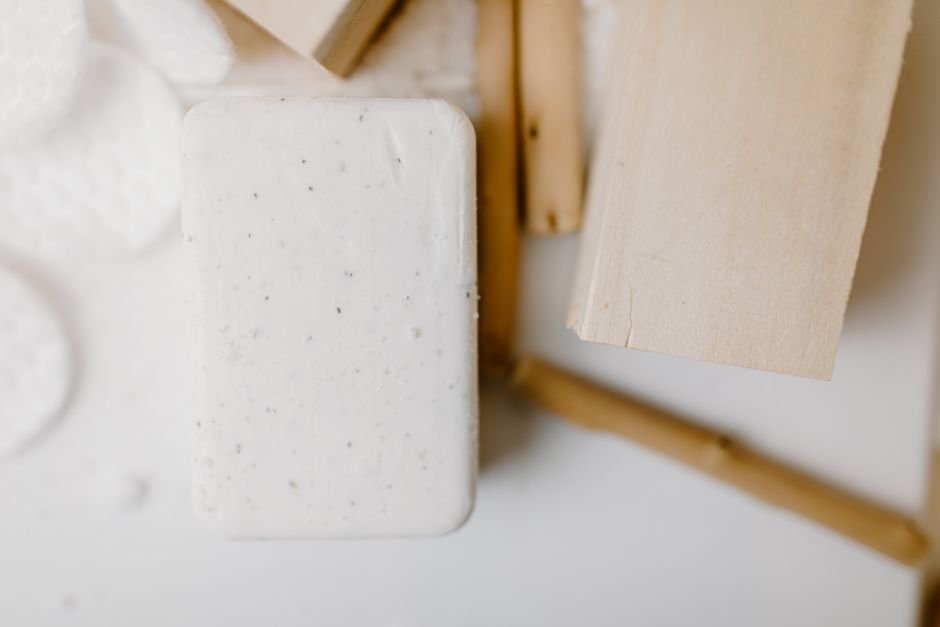
1. Over-Exfoliating
One of the biggest mistakes people make is exfoliating too often. While it might seem like exfoliating daily will give you smoother skin faster, it can actually damage your skin barrier. Over-exfoliation can lead to redness, sensitivity, peeling, and breakouts.
How to fix it:
Limit exfoliation to 2–3 times a week, depending on your skin type. Sensitive skin types may need less frequent exfoliation, while oily skin may tolerate a bit more. Always listen to your skin if it feels tight, red, or stings, give it a break.
2. Using the Wrong Type of Exfoliator
Not all exfoliators are created equal. There are two main types: physical (scrubs) and chemical (AHAs, BHAs, PHAs). Using the wrong one for your skin type can cause irritation or breakouts.
How to fix it:
- For sensitive or dry skin, opt for gentle chemical exfoliants like lactic acid or PHA.
- For oily or acne-prone skin, salicylic acid (BHA) helps unclog pores.
- If you prefer physical exfoliants, choose ones with fine, smooth particles (like jojoba beads) instead of harsh scrubs that can cause micro-tears.
3. Skipping Moisturizer After Exfoliation
Exfoliation removes the top layer of dead skin cells, leaving your skin more exposed and vulnerable to dryness. Skipping moisturizer afterward can lead to dehydration and irritation.
How to fix it:
Always follow up exfoliation with a hydrating toner and a nourishing moisturizer. Look for ingredients like hyaluronic acid, ceramides, or squalane to lock in moisture and support the skin barrier.
4. Mixing Too Many Active Ingredients
Combining exfoliants with other potent actives like retinol, vitamin C, or benzoyl peroxide can overwhelm your skin. This can lead to inflammation, flakiness, and increased sensitivity.
How to fix it:
Keep your routine simple. If you’re using retinol or strong acids, apply them on alternate nights. Always introduce new products slowly to see how your skin reacts.
5. Ignoring Sun Protection
Exfoliation makes your skin more sensitive to the sun. Without proper protection, you risk sunburn, dark spots, and premature aging even if you stay indoors.
How to fix it:
Always apply broad-spectrum SPF 30 or higher during the day, especially after exfoliating. Sunscreen is a must to protect your freshly revealed skin.
6. Exfoliating on Irritated or Broken Skin
If your skin is already irritated, inflamed, or has open wounds (like acne spots or cuts), exfoliating can make things worse. It can increase redness, delay healing, and even cause scarring.
How to fix it:
Avoid exfoliating until your skin has healed. Focus on soothing and repairing products instead like aloe vera, niacinamide, or centella asiatica.
7. Forgetting to Exfoliate the Body
While facial exfoliation gets most of the attention, your body also benefits from regular exfoliation. Dead skin buildup can lead to dullness, rough patches, and ingrown hairs.
How to fix it:
Use a gentle body scrub or a body exfoliating glove 1–2 times a week. Pay attention to areas like elbows, knees, and heels for smooth, even skin.
8. Not Adjusting Exfoliation to Seasons
Your skin’s needs change with the weather. In winter, skin tends to be drier and more sensitive, while in summer, oil production increases and pores are more likely to clog.
How to fix it:
During colder months, reduce exfoliation frequency and use milder products. In warmer months, you can exfoliate a bit more often to manage oil and sweat buildup.
Choosing the Right Exfoliation Schedule
Establishing an appropriate exfoliation schedule is crucial. You might need to exfoliate more often in warmer months due to increased sweat and oil production. For instance, individuals with oily skin could safely exfoliate 2-3 times weekly. Conversely, those with dry or sensitive skin may benefit from a bi-weekly routine to prevent irritation.
Consider paying attention to how your skin reacts. If you notice redness or tightness, reduce frequency. Listening to your skin will help you fine-tune your approach for optimal results.
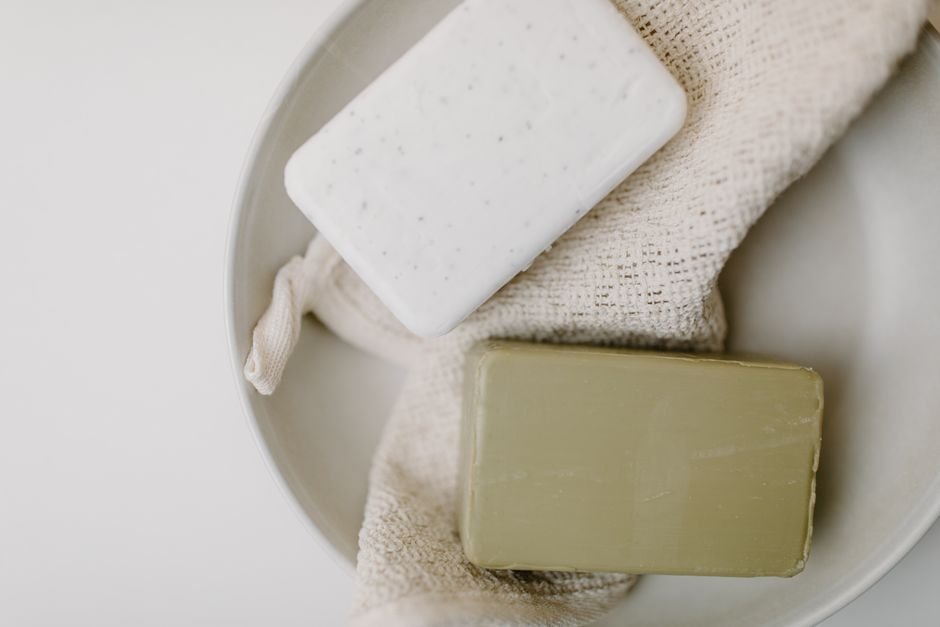
Understanding Chemical vs. Physical Exfoliation
Each type of exfoliation has its pros and cons. Chemical exfoliators like AHAs and BHAs penetrate deeper, helping with acne and fine lines. However, they can also be harsh, so choose wisely based on your skin type.
Physical exfoliants include scrubs or brushes, providing immediate results. Yet, they can cause micro-tears if used too aggressively. If you have sensitive skin, start with gentle chemical methods.
- Chemical: better for deeper issues.
- Physical: instant gratification, but handle with care.
Consider your skin’s needs and choose accordingly. Experiment to find what feels right for you. Moreover, understanding the benefits of regular exfoliation can enhance your approach.
If that matters to you, our piece on face wash vs micellar water goes further.
There is more on glowing sk elsewhere on the site.
There is more on chemical vs physical exfoliation elsewhere on the site.
If that matters to you, our piece on bhas for exfoliation goes further.
Conclusion
Exfoliation is an essential step in maintaining healthy, radiant skin but only when done correctly. Avoiding these common mistakes will help you achieve smoother skin without irritation or damage. Remember, less is often more when it comes to exfoliation. Treat your skin gently, listen to its needs, and it will reward you with a natural, healthy glow.
Leave a Reply