

Building a skincare routine doesn’t have to be complicated — it just needs to be consistent and tailored to your skin type and concerns. Your skin is your body’s largest organ, and taking care of it is essential for both health and appearance. Whether you’re a beginner or looking to upgrade your current regimen, this guide will walk you through every step.

1. Understand Your Skin Type
Before choosing any products, identify your skin type. This will help you select the right ingredients and formulations.
- Normal Skin: Balanced, not too oily or dry, few imperfections.
- Oily Skin: Produces excess oil, shiny appearance, prone to acne.
- Dry Skin: Feels tight, flaky, or rough; lacks moisture.
- Combination Skin: Oily in some areas (like the T-zone), dry in others.
- Sensitive Skin: Easily irritated, may sting or burn with some products.
2. The Basic Skincare Routine (Morning & Night)
If you’re new to skincare, start with a simple 3-step routine. You can build upon this once your skin adjusts.
Step 1: Cleanser
Purpose: Removes dirt, oil, and impurities.
When: Morning and night.
Tips:
- Use a gentle, sulfate-free cleanser.
- Gel or foaming cleansers work well for oily skin.
- Cream or hydrating cleansers suit dry and sensitive skin.
Step 2: Moisturizer
Purpose: Hydrates and protects the skin barrier.
When: Morning and night.
Tips:
- Choose lightweight gel moisturizers for oily skin.
- Opt for thicker creams for dry or mature skin.
Step 3: Sunscreen (Morning Only)
Purpose: Protects against UV rays and premature aging.
When: Every morning, even on cloudy days.
Tips:
- Use a broad-spectrum SPF 30 or higher.
- Reapply every 2 hours if outdoors.
3. Advanced Routine (Add-Ons)
Once you’re comfortable with the basics, consider adding the following steps based on your skin concerns.
Step 4: Toner (Optional)
Purpose: Preps the skin and balances pH.
Good for: Hydration, oil control, or calming inflammation.
Step 5: Serum
Purpose: Delivers concentrated ingredients to target specific issues.
Examples:
- Vitamin C (brightening, antioxidant)
- Hyaluronic Acid (hydration)
- Niacinamide (oil control, pore size)
- Retinol (anti-aging, acne)
Step 6: Eye Cream
Purpose: Targets concerns like puffiness, dark circles, and fine lines.
4. Weekly Treatments
Exfoliation (1–2 times a week)
Purpose: Removes dead skin cells, promotes cell turnover.
Types:
- Physical exfoliants: Scrubs with granules (can be harsh — use cautiously).
- Chemical exfoliants: AHAs (glycolic, lactic acid) and BHAs (salicylic acid).
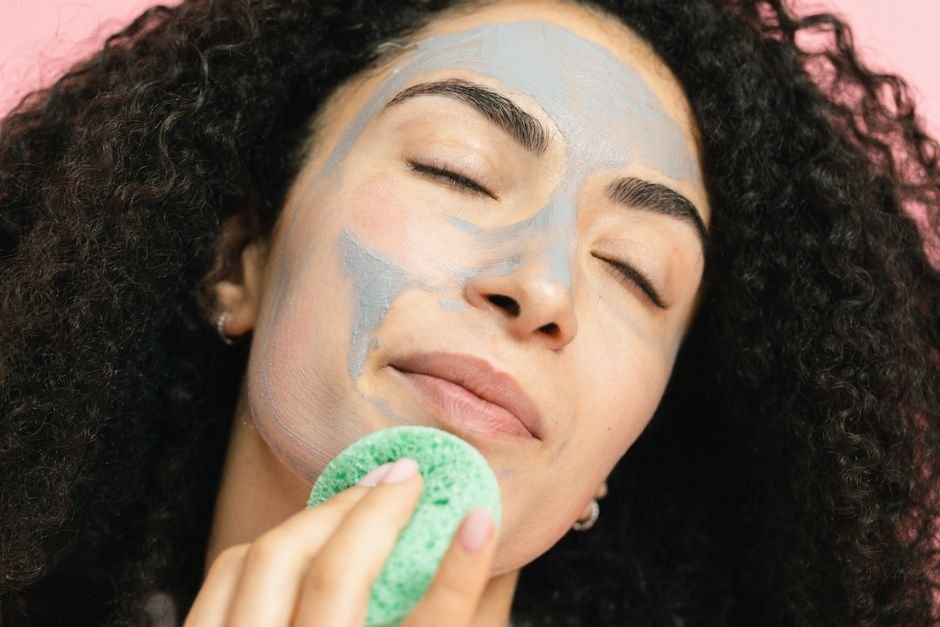
Face Masks (1–2 times a week)
Purpose: Provide a boost of hydration, detox, or treatment.
Examples:
- Clay masks for oily skin
- Sheet masks for hydration
- Enzyme masks for gentle exfoliation
5. How to Layer Skincare Products (Order Matters)
Apply products from thinnest to thickest texture:
- Cleanser
- Toner (if using)
- Serum
- Eye cream
- Moisturizer
- Sunscreen (AM only)
6. Customize for Morning vs Night
Morning Routine
- Cleanser
- Serum (Vitamin C is great in the morning)
- Moisturizer
- Sunscreen
Night Routine
- Cleanser
- Serum (Retinol or hydrating serum)
- Eye cream
- Moisturizer or night cream
7. Tips for Success
- Patch test new products: Apply on a small area first to check for reactions.
- Introduce new products slowly: One at a time, over several days.
- Be consistent: Skincare takes time — give products 4–6 weeks to show results.
- Stay hydrated and eat well: Healthy skin starts from within.
8. Common Skincare Mistakes to Avoid
- Over-exfoliating (can damage the skin barrier)
- Skipping sunscreen
- Using too many actives at once
- Not removing makeup properly
- Expecting instant results
Estimate Your Skincare Budget
Before you start shopping for products, determine how much you’re willing to spend. Quality skincare doesn’t always mean expensive. You can find effective cleansers and moisturizers that range from $10 to $50. Invest in a good sunscreen, which might set you back around $30, while serums can vary greatly, often costing from $20 to over $100.
Here’s a quick budget breakdown:
- Cleanser: $10 – $30
- Moisturizer: $15 – $50
- Sunscreen: $15 – $50
- Serum: $20 – $100
- Eye Cream: $15 – $70
Having a clear budget helps prioritize which products are essential versus which may be luxuries. This way, you won’t overspend and can maintain your routine long-term.
Maintenance and Adjustment
Maintaining a skincare routine requires consistency but also flexibility. As your skin changes due to age, environment, or seasonal shifts, adjust your products accordingly. For example, you might need a heavier moisturizer during winter when humidity drops. Learn more about How To Build A Skincare Routine.
Monitor how your skin reacts to products. If irritation or breakouts occur, consider eliminating one product at a time to identify the culprit. Reassess your routine every three to six months or after significant life changes.
Here’s how to keep your routine effective:
- Keep an eye out for product expiration dates.
- Seasonally switch your moisturizer or serum.
- Stay informed about new ingredients that may benefit your skin type.
Routine maintenance ensures you continue to meet your skin’s needs while avoiding stagnation. Take your skin’s feedback seriously, and your routine will remain effective and enjoyable.
Related reading: face wash vs cleansing balm.
Conclusion
Building a skincare routine doesn’t need to be overwhelming. Start simple: cleanse, moisturize, and protect. Once you get into a rhythm, you can slowly introduce treatments that suit your skin’s needs. Remember, consistency is key. Treat your skincare as an act of self-care, and your skin will thank you in the long run.
Leave a Reply