
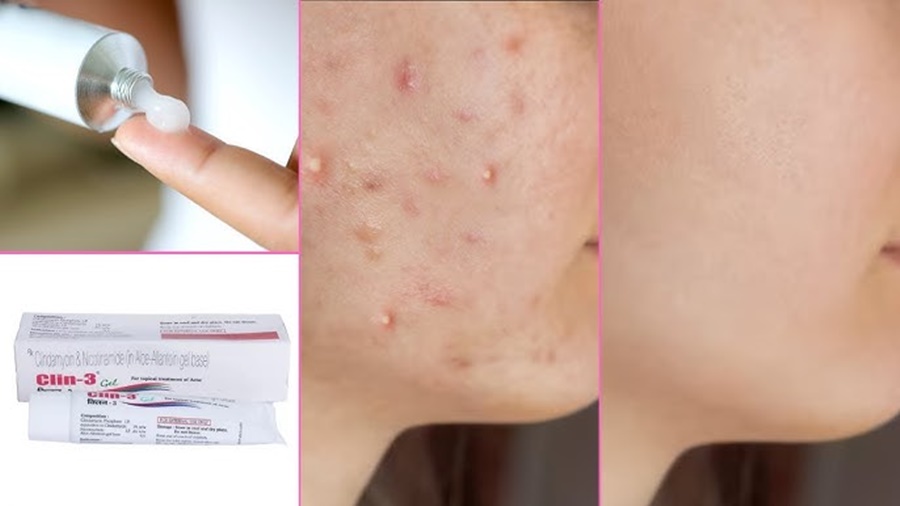
But can a regular face cream actually prevent acne? Many people look for products that can help keep breakouts under control including face creams. Acne is one of the most common skin concerns worldwide, affecting teenagers and adults alike. The answer depends on the type of cream, its ingredients, and your skin type.
This article explains how face creams can help prevent acne, what ingredients to look for, and how to choose the right product.

Understanding Acne: What Causes It?
To know whether face cream can help, it’s important to understand what causes acne in the first place. Common triggers include:
- Excess oil (sebum) production
- Clogged pores due to dead skin cells or heavy products
- Bacteria (Cutibacterium acnes)
- Hormonal changes
- Inflammation
Face creams can play a role in preventing breakouts, but only if they address some of these triggers.
Can Face Cream Prevent Acne?
Yes—if the cream is formulated correctly.
The right kind of face cream can help prevent acne by:
- Maintaining hydration
When skin becomes dehydrated, it produces more oil, which can clog pores. A lightweight moisturizer keeps the skin balanced. - Strengthening the skin barrier
A healthy barrier reduces inflammation and sensitivity, making acne less likely. - Delivering acne-fighting ingredients
Some face creams contain ingredients like salicylic acid or niacinamide that reduce breakouts. - Preventing pore clogging
Non-comedogenic creams keep the skin moisturized without blocking pores.
However, heavy or oily creams can make acne worse, so choosing the right type is essential.
Best Ingredients for Preventing Acne
1. Salicylic Acid
A beta-hydroxy acid (BHA) that penetrates pores, dissolves excess oil, and prevents clogging.
2. Benzoyl Peroxide
Kills acne-causing bacteria and reduces inflammation.
3. Niacinamide
Controls oil production, reduces redness, and strengthens the skin barrier.
4. Retinoids (Retinol, Adapalene)
Promote cell turnover and help keep pores clear.
5. Hyaluronic Acid
Hydrates the skin without adding oil, preventing overproduction of sebum.
6. Tea Tree Oil
A natural antibacterial ingredient helpful for mild acne.
Ingredients to Avoid if You’re Acne-Prone
- Heavy oils like coconut oil
- Shea butter (may clog pores for oily skin types)
- Fragrance (can increase irritation)
- Alcohol-heavy formulas (can dry out and irritate skin)
How to Choose the Right Face Cream for Acne Prevention
- Look for “non-comedogenic” labels
These formulas are designed not to clog pores. - Choose lightweight textures
Gel or gel-cream moisturizers are usually best for oily or acne-prone skin. - Match the cream to your skin type
- Oily skin: gel-based, oil-free
- Combination skin: lightweight cream
- Dry acne-prone skin: hydrating cream with ceramides
- Check for active acne ingredients
Products with salicylic acid or niacinamide are good daily options.
How to Apply Face Cream to Prevent Acne
- Cleanse your face with a gentle, non-stripping cleanser.
- Apply toner or serum if you use them.
- Use a pea-sized amount of moisturizer too much can make skin greasy.
- Apply sunscreen in the morning (SPF 30 or higher).
- Use acne treatments at night if needed.
Can Moisturizers Cause Acne?
Yes, the wrong moisturizer can clog pores. If your cream is too rich or contains comedogenic ingredients, it may trigger breakouts. Always monitor how your skin reacts to new products.
Comparing Different Face Creams: Cost and Effectiveness
When shopping for face cream, prices can vary widely. Budget options can range from $10 to $20, while premium choices may cost $50 or more. However, higher price tags don’t always guarantee effectiveness.
Consider checking ingredient concentration levels. For instance, a $15 cream with 2% salicylic acid may work better than a $50 cream with just 0.5%. Always read labels.
Take your skin type into account as well. Some creams are perfect for oily skin types, while others suit those with dry skin better. Identify what works for you.
- Budget creams: $10 – $20
- Mid-range options: $20 – $40
- High-end products: $50+
Track results over time. You may find that a moderately priced cream works effectively, saving you money without sacrificing skin health.
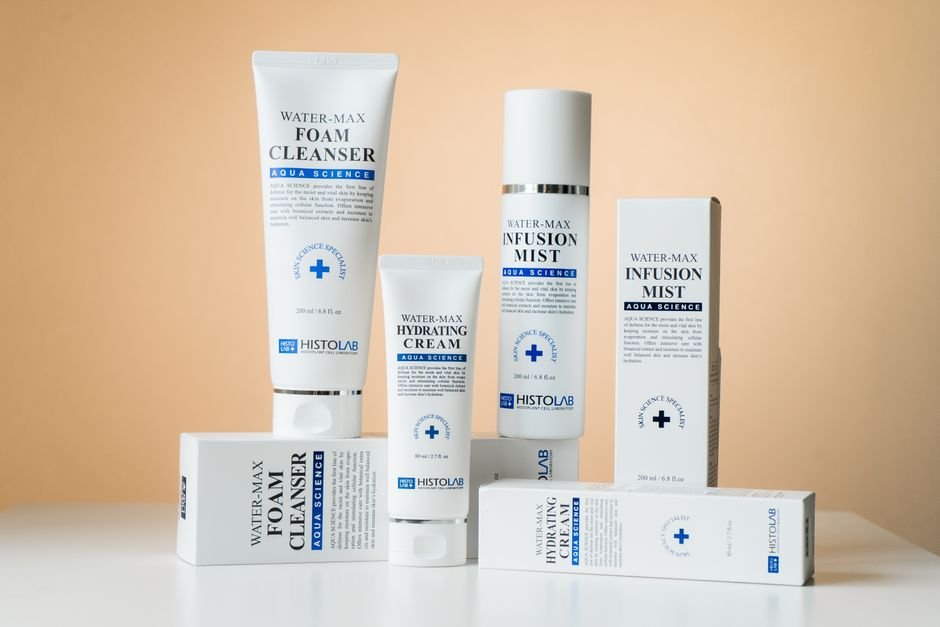
Maintenance Tips for Acne-Prone Skin
Maintaining clear skin goes beyond just using the right cream. Regular cleansing is crucial. Wash your face twice daily with a gentle cleanser to remove dirt and excess oil.
Additionally, consider exfoliating 1-2 times a week. This helps slough off dead skin cells that can clog pores. Choose chemical exfoliants with glycolic or lactic acid for gentleness.
Stay hydrated, as water helps improve overall skin texture. Aim for at least eight glasses of water daily. Nutrition plays a role too; incorporate foods rich in antioxidants for better skin health.
Who Should Use Specific Types of Face Cream?
Understanding your skin type is crucial in choosing the right face cream. If you have oily skin, lightweight, oil-free gels with salicylic acid are ideal for you. Those with dry skin may benefit from creams enriched with hydrating ingredients like hyaluronic acid or glycerin.
For sensitive skin, opt for products with soothing agents such as niacinamide or aloe vera. If you’re dealing with hormonal acne, retinoids can be particularly effective. Tailoring your choice to your skin’s unique needs will enhance the effectiveness of your acne prevention efforts.
Conclusion
Face cream can help prevent acne but only the right kind. Choosing a non-comedogenic, lightweight product with acne-friendly ingredients can keep your skin balanced, hydrated, and less prone to breakouts. For persistent or severe acne, consulting a dermatologist is always recommended.
Leave a Reply