
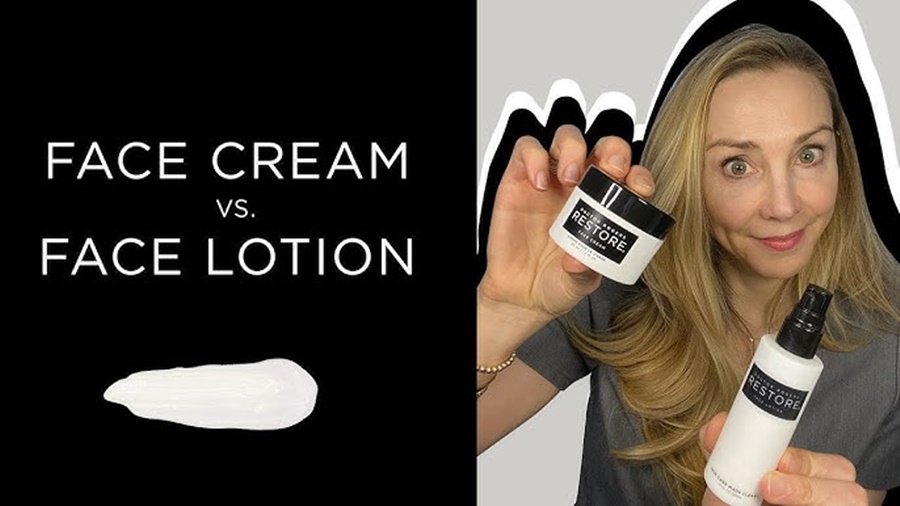
Among them, face creams and moisturizers are often confused as the same thing but while they share similarities, they aren’t identical. Skincare aisles are filled with products promising hydration, protection, and glow. This article breaks down the differences, benefits, and how to choose the right one for your skin.
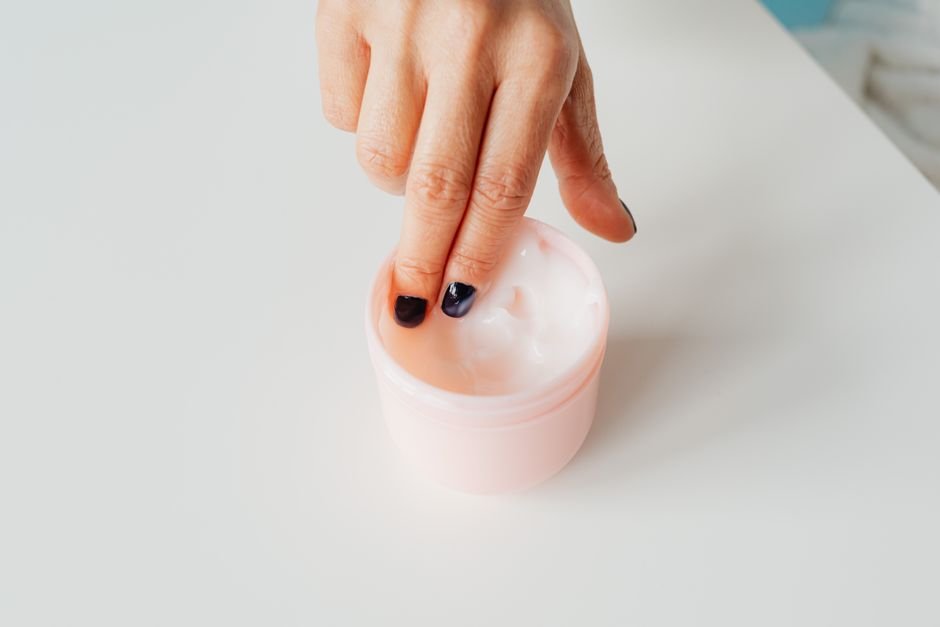
What Is a Moisturizer?
A moisturizer is a broad category of skincare products designed to hydrate the skin and prevent moisture loss. Moisturizers come in many forms, including:
- Lotions
- Gels
- Creams
- Ointments
- Emulsions
What Is a Face Cream?
A face cream is a type of moisturizer but typically thicker, richer, and more targeted. Face creams usually contain added active ingredients for addressing specific skin concerns, such as:
- Anti-aging (retinol, peptides)
- Brightening (vitamin C, niacinamide)
- Repairing (ceramides, centella)
- Nourishing (oils, shea butter)
Face creams are often used at night because of their thicker consistency, though many day creams exist too.
Key Differences Between Face Cream and Moisturizer
1. Consistency & Texture
- Moisturizers: Can be lightweight (gel, lotion) or medium-weight.
- Face creams: Thicker, denser, and richer.
2. Purpose
- Moisturizers: Mainly focus on hydration and barrier protection.
- Face creams: Provide hydration plus tackle specific skin concerns.
3. Ingredients
- Moisturizers: Basic hydrating components.
- Face creams: Often contain active ingredients for targeted treatment.
4. Skin Type Suitability
- Moisturizers: Available for all skin types, especially great for oily or combination skin if in gel/lotion form.
- Face creams: Best for dry, mature, or sensitive skin, depending on formulation.
5. Usage
- Moisturizers: Can be used day and night.
- Face creams: Commonly part of night routines or used as a final step over serums.
Which One Should You Use?
If you have oily or acne-prone skin:
Lightweight moisturizers (gel-based or oil-free)
Heavy creams (can clog pores)
If you have dry or mature skin:
Rich face creams with ceramides, peptides, or hyaluronic acid
If you want anti-aging or brightening benefits:
Face creams with active ingredients
Basic moisturizers alone
If your skin barrier is damaged:
Moisturizers with ceramides + a gentle cream for repair
Can You Use Both?
Yes! Many people use:
- Moisturizer in the morning (lighter, under sunscreen)
- Face cream at night (richer, for repair and regeneration)
Layering is especially beneficial in cold or dry climates.
Practical Tips for Choosing the Right Product
When selecting between face cream and moisturizer, consider your daily routine and skin needs. If you apply makeup, a lightweight moisturizer might be beneficial. It absorbs quickly, providing hydration without adding heaviness. Choose a thicker face cream for nighttime to allow your skin to absorb the nutrients while you sleep.
Skin testing is essential. Start with a patch test on a small area of your face. If you notice irritation, try an alternative product. Always choose formulations that suit your particular skin type for the best results.
Be mindful of seasons. In colder months, your skin may require a richer cream. In summer, stick with lighter moisturizers to maintain balance and prevent breakouts.
Common Mistakes in Skincare Choices
A frequent error is assuming all moisturizers are the same. Different formulations cater to unique skin types and needs. Choosing the wrong product can lead to excess oiliness or dryness.
Another common mistake is applying products incorrectly. Always apply face cream after moisturizer to lock in hydration. Remember that more isn’t always better; a pea-sized amount of product can often suffice.
Overlooking the importance of sunscreen is also a mistake. Even with a good cream, UV protection is vital. Look for products with built-in SPF or apply a separate sunscreen, especially during daytime.
Cost Comparisons and Maintenance
Face creams and moisturizers come in various price ranges. Typically, high-end brands may cost $50 to $200 for premium formulations. However, numerous effective options are available at drugstores, often priced between $10 and $30.
Maintenance is also crucial after purchasing a product. Store your skincare in a cool, dry place to preserve ingredients. Using products past their expiration date can be ineffective or irritating.
Actively assess how your skin responds to different products over time. Keeping a skincare journal can help you track what works and what doesn’t, enhancing your commitment to maintaining healthy skin.
Suitability for Different Lifestyles
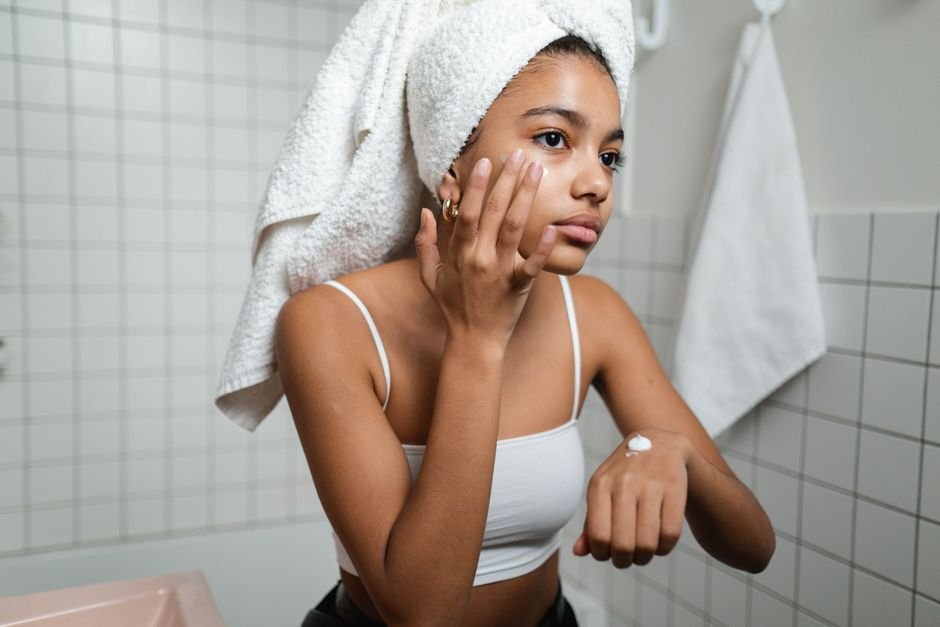
Your lifestyle plays a significant role in determining the right product. For busy individuals, lightweight moisturizers may offer the hydration you need without the heaviness of cream. If you engage in outdoor activities, consider face creams with added sun protection.
If you travel frequently, opt for multi-functional products. Some face creams double as moisturizers while providing other benefits. This reduces the number of products you need to carry, making your routine more efficient.
Lastly, if self-care is a priority for you, consider dedicating time to establish a more complete skincare regimen that includes both face cream and moisturizer, targeting specific concerns based on your skin’s needs.
Our write-up on face wash vs toner key picks up where this leaves off.
Conclusion
While all face creams are moisturizers, not all moisturizers are face creams. Moisturizers provide essential hydration and help maintain the skin barrier, while face creams offer deeper nourishment and target specific concerns like aging, dullness, or dryness. Your choice should depend on your skin type, environment, and skincare goals.
For many, using both a lighter moisturizer during the day and a richer cream at night delivers the best results. Additionally, understanding what is the difference between face cream and moisturizer can further enhance your skincare knowledge.
Leave a Reply