
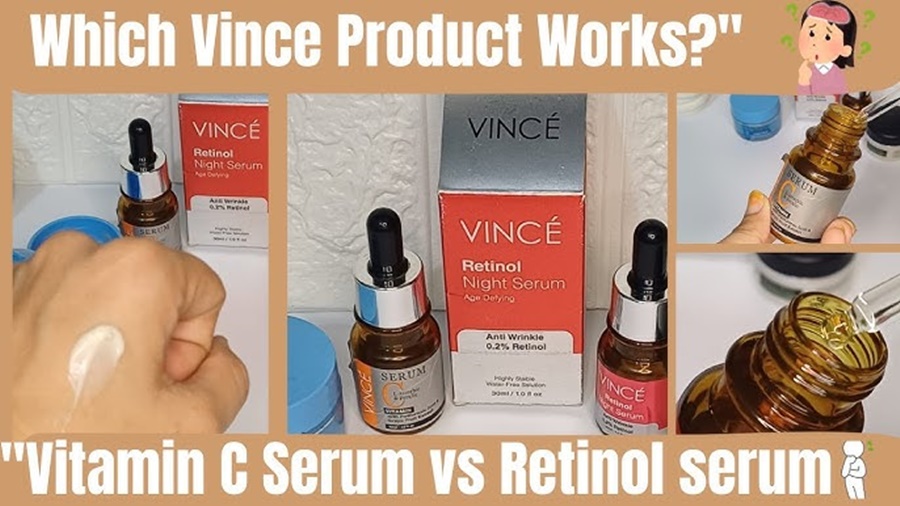
Two of the most talked-about players are Vitamin C serum and Retinol serum. Skincare routines are flooded with powerful active ingredients promising glowing, youthful skin. Both offer impressive benefits, but they work in very different ways. Choosing between them depends on your skin type, concerns, and goals.
In this article, we’ll break down everything you need to know from how they work to when to use each one so you can make an informed choice.
What Is Vitamin C Serum?
Vitamin C also known as ascorbic acid is a potent antioxidant that helps protect the skin from free radical damage caused by UV rays, pollution, and stress.
Key Benefits of Vitamin C Serum
- Brightens skin tone: Helps fade dark spots and hyperpigmentation.
- Boosts collagen production: Supports skin elasticity and firmness.
- Fights environmental damage: Neutralizes free radicals to prevent premature aging.
- Improves texture: Promotes smoother, more radiant skin.
Who Should Use Vitamin C Serum?
Vitamin C is great for most skin types especially:
- Dull skin
- Uneven tone or dark spots
- Early signs of aging
- Sun-damaged skin
However, those with extremely sensitive skin may need to start with a lower concentration (e.g., 10%) to avoid irritation.
What Is Retinol Serum?
Retinol is a form of Vitamin A and one of the most researched anti-aging ingredients available. It helps speed up cell turnover and stimulates collagen production.
Key Benefits of Retinol Serum
- Reduces fine lines and wrinkles
- Improves skin texture
- Clears clogged pores and prevents breakouts
- Boosts collagen and elastin production
- Fades pigmentation over time
Who Should Use Retinol Serum?
Retinol is particularly beneficial for:
- Aging skin
- Acne-prone skin
- Rough or uneven texture
- Visible pores
However, retinol can be irritating especially for beginners so it’s important to start with a low strength and introduce it slowly.
How They Work: Side by Side
| Feature | Vitamin C | Retinol |
|---|---|---|
| Main Role | Antioxidant & brightening | Cell turnover & anti-aging |
| Best For | Hyperpigmentation, dullness, protection | Wrinkles, acne, texture |
| Time to Results | 4–8 weeks | 8–12 weeks |
| Irritation Risk | Low–medium | Medium–high |
| Daily Use? | Yes (AM recommended) | Yes (PM recommended, but slowly introduced) |
When to Use Vitamin C vs Retinol
Morning vs Evening
- Vitamin C: Best used in the morning because it protects against environmental damage during the day.
- Retinol: Use at night since it can increase sun sensitivity and may degrade in sunlight.
Using Both Together
Vitamin C and retinol can be used in the same routine, but not at the same time. Here’s a simple approach:
- Morning: Cleanser → Vitamin C serum → Moisturizer → Sunscreen
- Night: Cleanser → Retinol serum → Moisturizer
This routine maximizes benefits while reducing irritation.
Side Effects & Skin Reactions
Vitamin C Serum
Common but mild reactions:
- Tingling or slight redness (especially at higher strengths)
- Sensitivity in very dry or compromised skin
Retinol Serum
More common reactions especially when first starting:
- Dryness
- Flaking or peeling
- Redness and irritation
- Sensitivity to sun
Tip: Always wear sunscreen when using retinol, and consider a moisturizer to buffer irritation.
How to Choose the Right One for You
Choose Vitamin C If You Want:
Brighter, more even skin tone
Protection from environmental damage
Early signs of aging prevention
Choose Retinol If You Want:
Fewer wrinkles and fine lines
Improved texture and pore clarity
Strong anti-aging results
Start With One and Add Later
If you’re new to active skincare, begin with Vitamin C for brightening and protection. Once comfortable, slowly introduce retinol in your evening routine.
Tips for Best Results
Use sunscreen every day, especially when using retinol
Start with lower concentrations
Introduce new actives gradually
Combine with gentle, hydrating products
Be patient results take time
Common Mistakes to Avoid
Incorrect application is a frequent error with serums. For instance, using too much product can lead to irritation. A pea-sized amount is sufficient for your entire face. Additionally, layering products without allowing time for absorption can reduce effectiveness.
Many users also overlook sunscreen. Vitamin C and retinol work best when used in conjunction with daily sun protection. You can find more information on how to mix these serums safely here.

Cost Comparisons
The price of Vitamin C and retinol serums can vary significantly. Basic Vitamin C serums start around $20, while premium options may exceed $100. Retinol serums typically range from $25 to over $150, depending on the formulation.
When choosing a product, consider the concentration and packaging. Higher concentrations often yield better results but can be pricier. Always assess the cost relative to the results you expect.
We cover vs essence which one works in more depth separately.
Conclusion
When it comes to choosing between Vitamin C serum and Retinol serum, there is no single “best” option for everyone. Each ingredient serves a different purpose and delivers unique benefits depending on your skin’s needs.
Vitamin C serum is ideal for brightening the skin, evening out tone, and protecting against environmental damage. It works well for most skin types and is especially effective for preventing early signs of aging and restoring a healthy glow.
Retinol serum, on the other hand, is a powerhouse for skin renewal. It targets fine lines, wrinkles, acne, and uneven texture by boosting cell turnover and collagen production. While it offers more dramatic long-term results, it requires patience and careful use due to potential irritation.
Ultimately, the best choice depends on your skincare goals. If you want protection and radiance, Vitamin C is the better starting point. If your focus is anti-aging or acne control, retinol may be more suitable. For many people, the most effective approach is using both Vitamin C in the morning and retinol at night for balanced, healthy, and youthful-looking skin.
Leave a Reply