
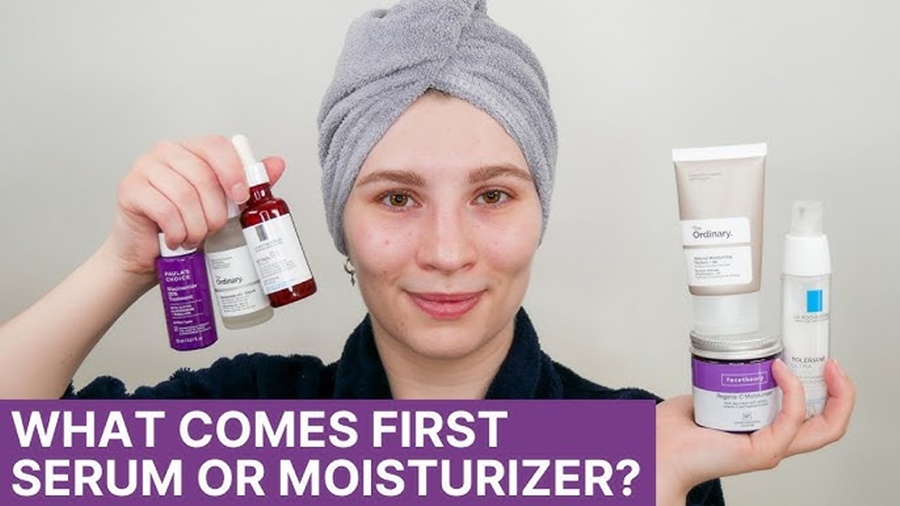
When it comes to skincare, two of the most commonly used products are face serums and moisturizers. Many people wonder whether they need both, how they differ, and which one is more important. The truth is, serums and moisturizers serve different but complementary purposes. Understanding how each works can help you build a more effective skincare routine.
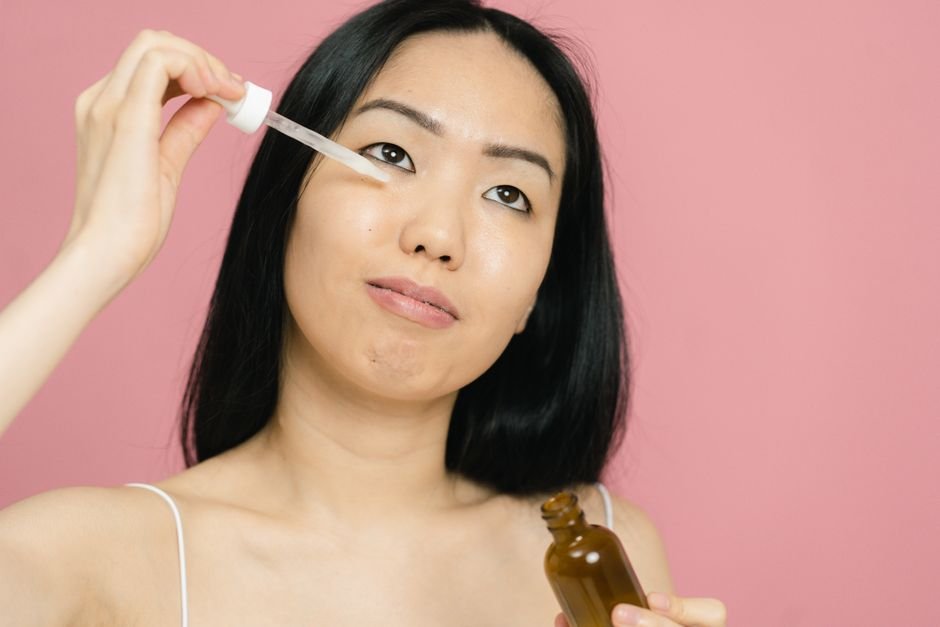
What Is a Face Serum?
A face serum is a lightweight, fast-absorbing skincare product designed to deliver high concentrations of active ingredients deep into the skin.
Key Characteristics of Face Serums
- Thin, watery, or gel-like texture
- Absorbs quickly into the skin
- Contains concentrated active ingredients
- Targets specific skin concerns
Common Ingredients in Serums
- Vitamin C (brightening)
- Hyaluronic acid (hydration)
- Niacinamide (oil control, barrier support)
- Retinol (anti-aging, acne)
- Peptides (skin repair)
Benefits of Using a Face Serum
- Penetrates deeper layers of the skin
- Addresses specific concerns like acne, dark spots, fine lines, or dullness
- Delivers visible results faster due to higher potency
What Is a Moisturizer?
A moisturizer is designed to hydrate the skin and lock in moisture, while also strengthening the skin’s protective barrier.
Key Characteristics of Moisturizers
- Creamy, lotion-like, or balm texture
- Sits on the surface of the skin longer
- Provides hydration and protection
Common Ingredients in Moisturizers
- Glycerin
- Ceramides
- Shea butter
- Squalane
- Natural oils
Benefits of Using a Moisturizer
- Prevents moisture loss
- Keeps skin soft, smooth, and comfortable
- Protects against environmental damage
- Maintains a healthy skin barrier
Face Serum vs Moisturizer: Key Differences
| Feature | Face Serum | Moisturizer |
|---|---|---|
| Texture | Lightweight, thin | Thick, creamy |
| Purpose | Treats specific concerns | Hydrates and protects |
| Absorption | Deep and fast | Surface-level |
| Ingredients | Highly concentrated | Balanced, barrier-focused |
| Usage | Applied first | Applied after serum |
Do You Need Both?
Yes, in most cases, using both gives the best results.
- A serum treats your skin concerns.
- A moisturizer seals in the benefits and prevents dehydration.
Think of it this way:
- Serum = treatment
- Moisturizer = protection
Using only a serum may leave skin dry, while using only a moisturizer may not effectively address specific issues like acne or pigmentation.
How to Use Face Serum and Moisturizer Together
Follow this simple order for best results:
- Cleanser
- Toner (optional)
- Face Serum
- Moisturizer
- Sunscreen (morning only)
Apply serum on clean, slightly damp skin, wait 30–60 seconds, then follow with moisturizer.
Which One Should You Use Based on Skin Type?
Oily or Acne-Prone Skin
- Lightweight serum (niacinamide or salicylic acid)
- Oil-free, gel-based moisturizer
Dry Skin
- Hydrating serum (hyaluronic acid)
- Rich cream moisturizer
Sensitive Skin
- Calming serum (centella, aloe)
- Fragrance-free moisturizer
Combination Skin
- Targeted serum
- Lightweight moisturizer for balance
Can You Skip Serum or Moisturizer?
- Skip serum if your skin is healthy and your moisturizer already meets your needs.
- Never skip moisturizer, even if you have oily skin hydration is essential for all skin types.
We cover face wash vs face cleanser in more depth separately.
Common Mistakes to Avoid
When choosing between a serum and a moisturizer, many make critical mistakes. For instance, applying serum as the only skincare product is a common error. A serum is concentrated and performs best when layered under a moisturizer.
Another mistake is believing all serums and moisturizers suit every skin type. Not all formulas cater to your specific needs. Be mindful of your own skin’s requirements before reaching for any product.
Skipping patch tests can also lead to problems. You might wonder why your skin reacts poorly to a product. Always test a small area first to avoid surprises.
Who Suits Each Option?
Understanding who benefits most from serums or moisturizers can simplify your decision. Serums are ideal for those looking to target specific skin issues like wrinkles or dark spots. If you have acne concerns, look for serums with salicylic acid or niacinamide.
Moisturizers work best for daily hydration and protecting your skin barrier. If you have normal to dry skin, investing in a rich moisturizer will keep your skin balanced and hydrated.
If you travel frequently or live in a dry climate, a moisturizer with occlusive properties will serve you well. Keep these factors in mind for tailored skincare results that complement your unique needs.
Practical Application Tips for Serums and Moisturizers
To maximize benefits, always apply serum on clean skin. After cleansing, take a pea-sized amount of serum and gently massage it into your face and neck. Follow with a moisturizer. This locks in hydration and enhances the serum’s effects.
For optimal results, use serums morning and night. Moisturizers can also be applied both times, but lighter formulas are ideal for daytime. Consider a thicker cream for nighttime hydration, giving your skin a chance to repair as you sleep.
Cost Comparisons and Maintenance
Serums generally come with a higher price tag than moisturizers. On average, a quality serum can cost between $30 and $150, while moisturizers range from $15 to $70. The investment in serum often reflects the concentration of active ingredients.
Maintenance of your skincare routine is crucial. Store both products in a cool, dark place to preserve their potency. Keep an eye on expiration dates, especially for serums, as their active ingredients may degrade faster when exposed to light and air.
Conclusion
Face serums and moisturizers are not competitors they are partners in a well-rounded skincare routine. A serum works beneath the surface to target specific concerns such as acne, dullness, fine lines, or uneven tone, while a moisturizer hydrates the skin, strengthens the skin barrier, and locks in the benefits of the serum.
Using only one may limit your results, but combining both helps maintain healthy, balanced, and glowing skin. Ultimately, the best choice depends on your skin type and concerns, but for most people, using a serum followed by a moisturizer delivers the most effective and long-lasting skincare results.
Leave a Reply