
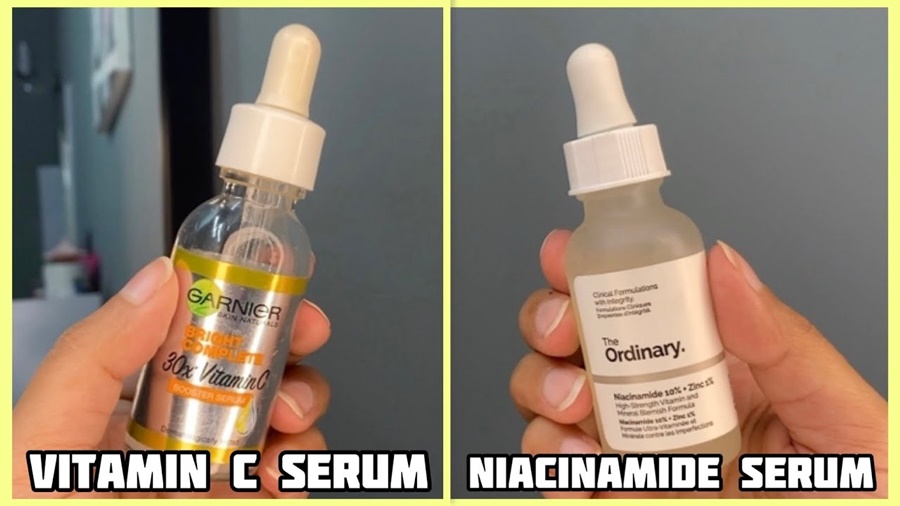
Skincare serums have taken the beauty world by storm and two of the most popular players are Vitamin C and Niacinamide. Both offer powerful benefits, but they function differently, making them better suited for different skin concerns.
Let’s break them down so you can choose the best serum for your skin.

What Are Serums?
Serums are lightweight, concentrated skincare treatments designed to deliver high doses of active ingredients deep into the skin. Because they contain potent formulas, serums can effectively target specific skin issues like dullness, acne, dark spots, and aging.
What Is Vitamin C Serum?
Overview
Vitamin C (ascorbic acid and its derivatives) is a powerful antioxidant naturally found in fruits and vegetables.
How It Works
Vitamin C protects skin from free radicals unstable molecules that damage skin cells and accelerate aging. It also helps boost collagen production and brightens skin tone.
Benefits
Reduces signs of photoaging (sun damage)
Brightens dull skin
Lightens dark spots and hyperpigmentation
Boosts collagen for firmer skin
Improves skin texture
Best For
- Uneven skin tone
- Sun damage
- Dull, tired-looking skin
- Early signs of aging
Things to Know
- Pure L-ascorbic acid can be unstable and oxidize quickly if not stored properly.
- Some people with very sensitive skin may find it irritating.
What Is Niacinamide Serum?
Overview
Niacinamide is a form of Vitamin B3, known for being gentle yet effective for a wide range of skin concerns.
How It Works
Niacinamide supports the skin’s barrier, regulates oil production, reduces inflammation, and improves moisture retention.
Benefits
Reduces acne and breakouts
Minimizes enlarged pores
Balances oil production
Improves skin texture
Soothes redness and irritation
Helps with hyperpigmentation
Best For
- Acne-prone skin
- Sensitive skin
- Oily skin
- Rosacea or redness
- Enlarged pores
Things to Know
- Extremely well-tolerated by most skin types.
- Works well in both morning and evening routines.
Key Differences
| Feature | Vitamin C Serum | Niacinamide Serum |
|---|---|---|
| Main Function | Brightening + Antioxidant | Barrier support + Oil control |
| Targets | Dark spots, aging, dullness | Acne, pores, redness |
| Best Skin Types | Normal to dry, aging, pigmentation concerns | Oily, sensitive, acne-prone |
| Potential Irritation | Higher (especially with pure L-ascorbic acid) | Lower — generally gentle |
| Ideal Time | AM (protects from free radicals) | AM or PM |
Can You Use Them Together?
Yes and many people find combining them amazing. They complement each other well when used properly:
Apply Vitamin C in the morning for antioxidant protection
Follow with Niacinamide (or use Niacinamide in the evening)
Niacinamide can help reduce irritation that Vitamin C may cause
Tip: Start slowly. Introduce one product at a time, and patch test.
Which Serum Wins?
There’s no universal “winner” it depends on what your skin needs most:
Best for Brightening & Anti-Aging
Vitamin C wins for reducing pigmentation, brightening, and antioxidant protection.
Best for Pores, Acne & Barrier Support
Niacinamide wins for calming acne, reducing oiliness, and strengthening the skin barrier.
Best All-Rounder
If you can tolerate both, using both — either layered or at different times often gives the most well-rounded results.
How to Choose Based on Skin Goals
You Want Glowing, Even-Tone Skin
Choose Vitamin C.
You Struggle With Breakouts or Redness
Start with Niacinamide.
You Want Anti-Aging Protection
Vitamin C — especially in the morning with SPF.
Your Skin Is Sensitive
Niacinamide is typically gentler.

Application Tips
Apply serums after cleansing and toning, but before moisturizer.
Use Vitamin C in the AM, followed by sunscreen.
Consistency matters — give it 4–8 weeks to see results.
If irritation occurs, reduce frequency or switch formulations.
Cost Comparison and Maintenance
The cost of Vitamin C and Niacinamide serums can vary widely. Typically, a quality Vitamin C serum can range from $20 to over $100, depending on the concentration and formulation. Niacinamide serums are usually more affordable, with many effective options priced between $10 and $40.
Consider your budget when choosing a serum. It’s wise to invest in a higher-quality option, as cheaper formulas may lack effectiveness. Maintenance of these serums is also vital. Store Vitamin C serum in a cool, dark place to prevent oxidation. Niacinamide can typically be stored at room temperature in a cabinet away from sunlight.
Regular use is essential for both serums. Most experts recommend using them daily for visible results. Consistency is key, so find a routine that suits your schedule and stick to it. You may also find beneficial information on how Niacinamide supports healthier skin here.
Common Mistakes to Avoid
When using Vitamin C serum, many people apply too much product in hopes of faster results. A pea-sized amount is sufficient for your entire face. Additionally, using it in conjunction with certain acids can reduce its effectiveness. For niacinamide, one common error is combining it with Vitamin C. Although it was once thought to cause irritation, recent research shows they can be used together effectively.
Who Each Option Suits
Vitamin C serum is ideal for those seeking brightness and an even tone. If you have dull skin or sun damage, this may be your go-to. On the other hand, if you struggle with redness or enlarged pores, niacinamide is a better choice. It’s known for reducing irritation and strengthening the skin barrier, making it perfect for sensitive or acne-prone skin.
Worth reading alongside this: vs essence which one works.
Conclusion
Both Vitamin C and Niacinamide serums are skincare heroes but they excel in different areas. Rather than choosing one over the other, assess your skin concerns and goals.
Vitamin C is your brightening, anti-aging powerhouse.
Niacinamide is your calming, barrier-boosting all-star.
And if your skin can handle both? That’s the real win.
Leave a Reply