
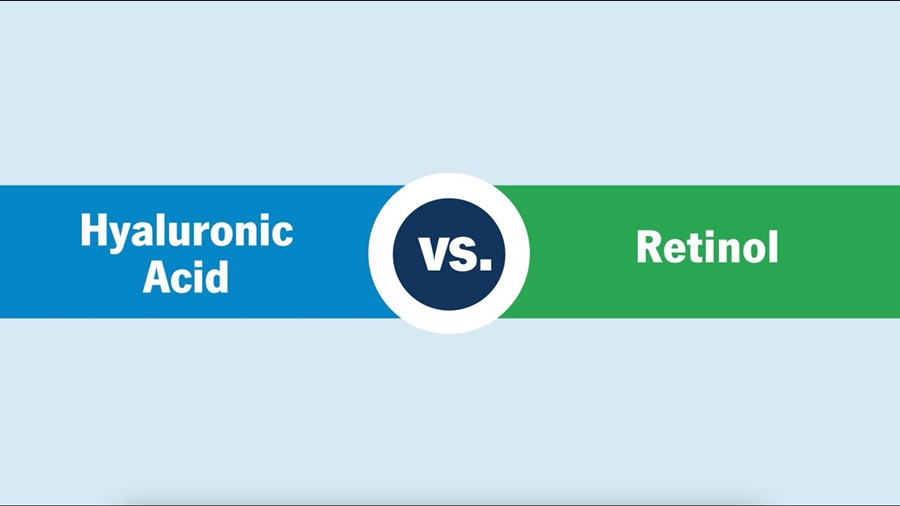
Among the most popular are retinol serum and hyaluronic acid serum. Skincare serums are concentrated treatments designed to target specific skin concerns. While both are highly effective, they serve very different purposes. Understanding how each works can help you choose the right one or even use both correctly for healthier, better-looking skin.
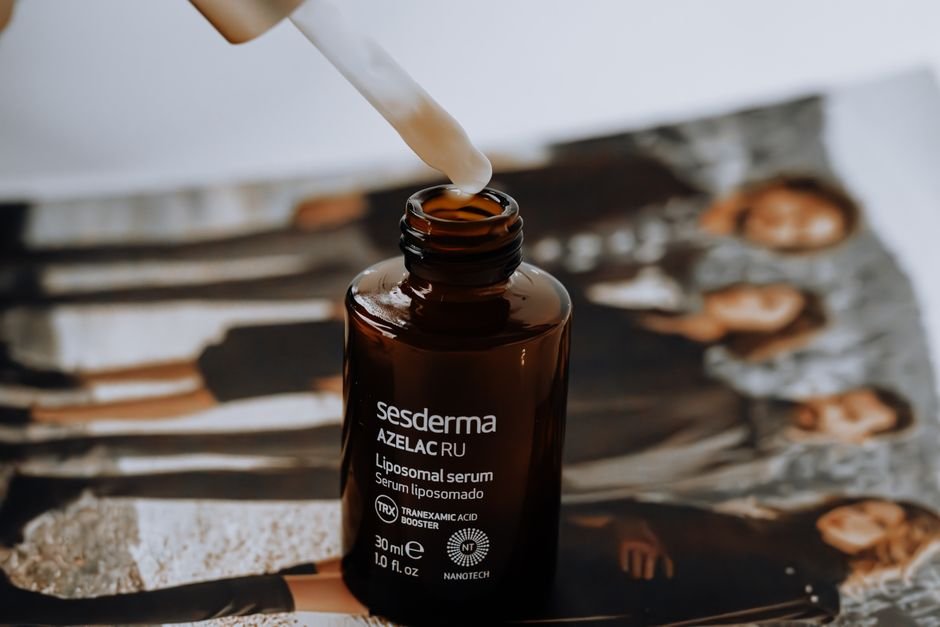
What Is a Retinol Serum?
Retinol is a derivative of vitamin A and is widely known for its ability to improve skin texture and tone. Retinol serums work by encouraging faster skin cell turnover and supporting collagen production.
Key Benefits of Retinol Serum
- Reduces acne and breakouts by preventing clogged pores
- Improves fine lines and wrinkles over time
- Evens skin tone and helps fade dark spots
- Smooths rough texture and refines pores
- Boosts collagen, making skin appear firmer
Things to Keep in Mind
- Can cause dryness, redness, or irritation, especially for beginners
- Best used at night, as it can make skin sensitive to sunlight
- Requires consistent sunscreen use during the day
- Results take time often several weeks to months
What Is a Hyaluronic Acid Serum?
Hyaluronic acid (HA) is a naturally occurring substance in the skin that attracts and holds water. Hyaluronic acid serums focus on hydration rather than exfoliation or cell turnover.
Key Benefits of Hyaluronic Acid Serum
- Deeply hydrates the skin
- Helps skin look plumper and smoother
- Reduces the appearance of fine lines caused by dryness
- Strengthens the skin barrier
- Suitable for all skin types, including sensitive skin
Things to Keep in Mind
- Does not treat acne, pigmentation, or wrinkles at a cellular level
- Works best when applied to slightly damp skin
- Needs a moisturizer on top to seal in hydration
Retinol vs Hyaluronic Acid: Key Differences
| Feature | Retinol Serum | Hyaluronic Acid Serum |
|---|---|---|
| Main Purpose | Skin renewal & treatment | Hydration & moisture |
| Best For | Acne, aging, uneven texture | Dry, dehydrated skin |
| Speed of Results | Gradual (weeks/months) | Immediate hydration |
| Risk of Irritation | Moderate to high | Very low |
| Time of Use | Night only | Morning & night |
Can You Use Retinol and Hyaluronic Acid Together?
Yes—and they actually work very well together.
- Hyaluronic acid helps reduce dryness and irritation caused by retinol
- Retinol treats skin concerns while HA keeps the skin hydrated and comfortable
How to Layer Them
- Cleanse your face
- Apply hyaluronic acid serum to slightly damp skin
- Apply retinol serum (at night only)
- Finish with a moisturizer
Which One Should You Choose?
Choose Retinol Serum if:
- You struggle with acne or breakouts
- You want to address early signs of aging
- Your skin can tolerate active ingredients
Choose Hyaluronic Acid Serum if:
- Your skin feels dry or tight
- You want instant hydration and glow
- You have sensitive or young skin
If possible, using both correctly offers the most balanced skincare routine.
Common Mistakes to Avoid
Using too much product is a frequent error with both retinol and hyaluronic acid serums. Experts recommend starting with a pea-sized amount. If you apply excess, you may not see better results and could irritate your skin.
Another mistake is using retinol during the day. This compound makes your skin sensitive to sunlight. Use it at night and always apply sunscreen during the day to protect your skin.
- Applying retinol too often can lead to dryness and peeling.
- Assuming hyaluronic acid alone will hydrate your skin without a moisturizer is a misconception.
- Skipping patch tests for sensitive skin can cause adverse reactions.

Cost Comparison and Maintenance
Costs can vary based on brand and formulation. Generally, retinol serums range from $10 to over $100. High-end products often contain additional skin-repairing ingredients, which can justify a steeper price.
On the other hand, hyaluronic acid serums typically cost between $15 and $80. The price often reflects the concentration of the active ingredient and formulation quality. Investing more can mean better absorption and longer-lasting effects.
In terms of maintenance, retinol requires a more careful approach. You should increase usage gradually to allow your skin to adapt. Meanwhile, hyaluronic acid can be used daily without a long acclimatization period.
This maintenance doesn’t just mean how often you apply the products. You should also factor in complementary skincare. A good moisturizer can enhance the effects of hyaluronic acid, while a gentle cleanser can help retain retinol’s effectiveness.
Practical Tips for Using Serums Effectively
To maximize the benefits of either serum, apply them consistently. For retinol, start with a pea-sized amount, using it once or twice a week before gradually increasing frequency. Always apply it at night to avoid sun sensitivity.
When using hyaluronic acid, apply it on damp skin to lock in moisture. Follow with a moisturizer to seal in the serum’s benefits. Here are quick tips:
- Patch test new products before full application.
- Use sunscreen daily when using retinol.
- Store serums in a cool, dark place to maintain potency.
Conclusion
Retinol serum and hyaluronic acid serum are not competitors they are complements. Retinol focuses on long-term skin improvement, while hyaluronic acid keeps your skin hydrated and healthy. Understanding your skin’s needs and using these serums properly can make a noticeable difference in your skincare results. To learn more about the benefits of these serums, you can read about retinol serum vs hyaluronic acid serum.
Consistency, patience, and sun protection are key to getting the best outcome from either serum.
Leave a Reply