
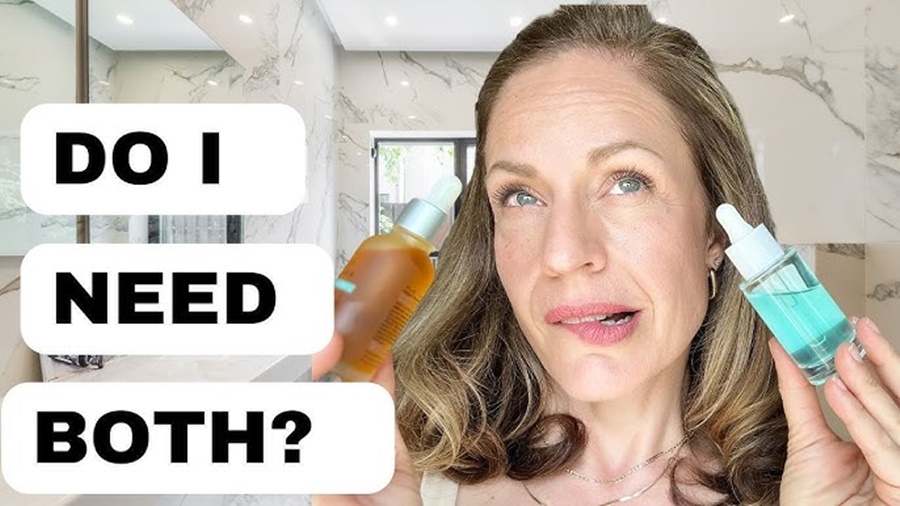
Two popular anti-aging skincare options are anti-aging serums and face oils. Aging is a natural part of life, but thanks to advances in skincare, signs of aging like fine lines, wrinkles, and dullness can be managed with the right products. They both improve skin health, but they work in very different ways.
Understanding how each works will help you choose what’s best for your skin type and concerns.

What Are Anti-Aging Serums?
Anti-aging serums are lightweight, fast-absorbing liquids packed with high concentrations of active ingredients. Their small molecules are designed to penetrate deep into the skin and target specific aging concerns.
Common Ingredients in Serums
- Retinol (Vitamin A): Stimulates collagen production and speeds cell turnover.
- Vitamin C: Brightens dull skin and protects against free radicals.
- Hyaluronic Acid: Attracts moisture to plump and hydrate.
- Peptides: Help firm skin and support its structure.
Benefits
Targets specific aging concerns like fine lines and uneven tone
Rapid absorption means quicker results
Often scientifically studied and proven effective
Best For
All skin types especially:
- Oily/combination skin (due to light texture)
- Aging concerns like wrinkles, dark spots, and loss of firmness
What Are Face Oils?
Face oils are rich botanical or plant-based extracts that help seal moisture into the skin and strengthen its protective barrier.
Common Oils
- Rosehip Oil: Rich in antioxidants and fatty acids
- Argan Oil: Nourishing and anti-inflammatory
- Marula Oil: Hydrating and protective
- Squalane: Mimics skin’s natural oils
Benefits
Deep hydration and softness
Protects the skin barrier
Helps lock in other products (like serums and moisturizers)
Improves skin texture and radiance
Best For
- Dry or mature skin
- Skin that feels tight or flakey
How They Work: Key Differences
| Feature | Anti-Aging Serum | Face Oil |
|---|---|---|
| Texture | Lightweight, watery/gel | Rich, oily |
| Primary Purpose | Targeting aging signs | Hydration & skin barrier support |
| Penetration Depth | Deep into skin layers | Mostly on surface & barrier |
| Active Ingredients | High concentration | Natural lipids & antioxidants |
| Results Timeline | Faster, targeted effects | Gradual, nourishing improvement |
Can You Use Both Together?
Yes! Many skincare experts recommend layering them:
- Cleanser – Remove dirt and impurities
- Toner (optional) – Balance pH
- Anti-Aging Serum – Target wrinkles/dullness
- Moisturizer – Lock in hydration
- Face Oil – Seal everything and add nourishment
This combination helps maximize both deep repair (from the serum) and surface protection (from the oil).
Which Is Better for Your Skin Type?
Oily or Acne-Prone Skin
- Best choice: Serums
- Why: Lightweight, non-greasy, won’t clog pores
- Tip: Look for serums with niacinamide or hyaluronic acid
Dry or Dehydrated Skin
- Best choice: Face Oils or serum + oil combo
- Why: Oils trap moisture and support the barrier
- Tip: Choose oils like squalane or rosehip
Sensitive Skin
- Best choice: Gentle serums + calming oils
- Why: Some retinoids can irritate choose mild formulas
- Tip: Patch test first
Mature Skin
- Best choice: Both
- Why: Serums lift and repair, oils nourish and smooth
Real Results: What to Expect
- After 1–2 weeks: You may notice improved hydration and glow
- After 4–8 weeks: Fine lines may appear reduced with consistent use
- 3+ months: Long-term structural improvements like firmer, more even skin
Results vary based on product quality and consistency.
Cost Considerations: Budgeting for Skincare
When comparing serums and oils, consider your budget. Anti-aging serums typically range from $20 to over $150, depending on the brand and ingredients. High-quality ingredients, like retinol or vitamin C, often drive the price up.
In contrast, face oils can be more affordable, ranging from $10 to $100. Oils like jojoba or rosehip are often less expensive and can provide significant hydration and anti-aging benefits.
Investing in high-quality products matters, but also remember to shop wisely. Look for sales, sample sizes, or try smaller bottles before committing to full-sized products. This way, you can find what truly works for you without overspending.
Practical Application Tips
To maximize the effectiveness of your serums and oils, apply them correctly. Start with serums, as they have a lighter consistency and absorb quickly. Look for a skin type-specific serum, and use about a pea-sized amount. Gently press it into your skin using your fingertips, allowing it to soak in fully.
After serums, follow with a face oil. Dispense a few drops and warm them in your hands. This not only helps in spreading the oil but also enhances absorption. Apply the oil using upward strokes, concentrating on areas prone to dryness or fine lines.
Consider using serums in the morning for day-long hydration and place the oil in your nighttime routine to benefit from its nourishing properties overnight.
Our write-up on face wash vs cleansing balm picks up where this leaves off.
Conclusion
When it comes to anti-aging serums vs face oils, there is no single winner because each serves a different purpose in skincare. Anti-aging serums work best for targeting specific concerns like wrinkles, fine lines, dark spots, and loss of firmness, thanks to their high concentration of active ingredients and deep skin penetration. Face oils, on the other hand, excel at nourishing the skin, locking in moisture, and strengthening the skin barrier for a smooth, healthy glow.
The most effective approach often isn’t choosing one over the other, but using both together. A serum can repair and rejuvenate the skin from within, while a face oil seals in hydration and protects the skin’s surface. Your skin type, age, and concerns should guide your choice serums for targeted treatment, oils for hydration, or a combination for balanced, long-term anti-aging benefits.
Ultimately, consistency, quality products, and daily sun protection matter more than choosing just one. With the right routine, both anti-aging serums and face oils can work together to keep your skin youthful, radiant, and healthy. For more insights into natural components, check out natural components.
Leave a Reply