

Two of the most commonly confused products are brightening serums and whitening serums. Skincare products often use terms that sound similar but have very different meanings. While both aim to improve skin appearance, they work in different ways and serve different purposes. Understanding the difference can help you choose the right product for your skin needs.
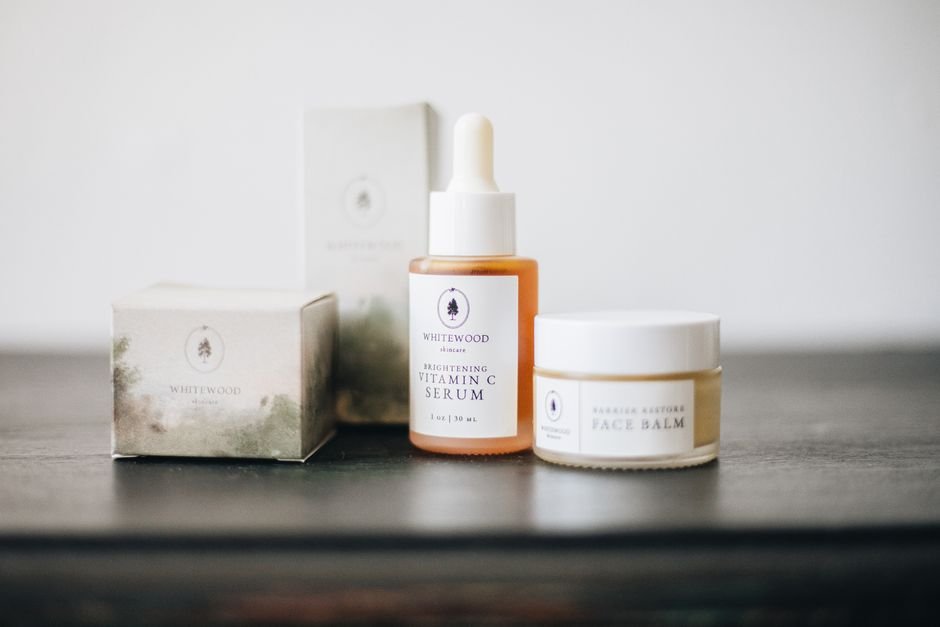
What Is a Brightening Serum?
A brightening serum is designed to improve the skin’s overall glow, clarity, and radiance. It focuses on making the skin look healthier, more even-toned, and refreshed rather than changing your natural skin color.
How Brightening Serums Work
Brightening serums work by:
- Reducing dullness
- Improving uneven skin tone
- Minimizing the appearance of dark spots and pigmentation
- Supporting natural skin cell renewal
They enhance the skin’s natural luminosity without altering your original complexion.
Common Ingredients in Brightening Serums
- Vitamin C
- Niacinamide
- Alpha Arbutin
- Licorice extract
- Hyaluronic acid
These ingredients help fight oxidative stress, boost collagen, and promote a glowing complexion.
Who Should Use a Brightening Serum?
Brightening serums are ideal for people who:
- Have dull or tired-looking skin
- Struggle with uneven skin tone
- Want a healthy, radiant glow
- Prefer a natural enhancement rather than color change
What Is a Whitening Serum?
A whitening serum aims to lighten the skin tone by reducing melanin production. The term “whitening” usually refers to making the skin appear lighter or fairer than its natural shade.
How Whitening Serums Work
Whitening serums work by:
- Inhibiting melanin (pigment) production
- Lightening dark patches, tanning, or hyperpigmentation
- Gradually reducing overall skin darkness
Some products may focus on spot whitening, while others claim full-face or body lightening effects.
Common Ingredients in Whitening Serums
- Kojic acid
- Glutathione
- Alpha Arbutin (higher concentrations)
- Tranexamic acid
- Certain chemical lightening agents
These ingredients target pigment-producing cells to reduce skin color intensity.
Who Should Use a Whitening Serum?
Whitening serums are usually chosen by people who:
- Want a visibly lighter skin tone
- Have stubborn pigmentation or tanning
- Are targeting specific dark areas
Important note: Some whitening products can be harsh or unsafe if misused. Always check ingredient safety and perform a patch test.
Key Differences Between Brightening and Whitening Serums
| Feature | Brightening Serum | Whitening Serum |
|---|---|---|
| Main Goal | Enhance glow and clarity | Lighten skin tone |
| Effect on Skin Color | Does not change natural color | May lighten natural skin |
| Focus | Radiance, even tone, freshness | Pigment reduction |
| Safety | Generally gentle and safe | Can be strong if overused |
| Best For | Daily skincare and glow | Targeted pigmentation or lightening |
Which One Should You Choose?
Choose a brightening serum if:
- You want glowing, healthy-looking skin
- You prefer safe, long-term skincare
- You want to improve dullness and uneven tone
Choose a whitening serum if:
- You want noticeable skin lightening
- You are addressing deep pigmentation or tanning
- You use it carefully and under guidance
For most people, dermatologists recommend brightening serums over whitening products for everyday skincare because they are gentler and support overall skin health.

Can You Use Both Together?
In some cases, mild brightening and whitening products can be used together, but this should be done cautiously. Overusing active ingredients may cause:
- Skin irritation
- Sensitivity
- Breakouts
- Damage to the skin barrier
If you plan to combine products, consult a dermatologist and always use sunscreen during the day.
Cost Considerations and Maintenance
The price of brightening and whitening serums can vary widely. Budget options may range from $10 to $30, while premium brands can cost upwards of $100. It’s crucial to consider the ingredients and efficacy rather than just the label. Look for serums that offer a money-back guarantee if you’re spending more.
Maintenance plays a key role in achieving long-lasting results. Using a serum twice daily, as recommended, is crucial. Pair your serum with a good moisturizer and sunscreen. Sunscreen protects against UV damage, which can counteract your serum’s benefits.
Additionally, set a reminder to check in with your skin every few months. Your skin’s needs can change, requiring different ingredients or formulations. Once you find a product that works, keep it in your routine to maintain a consistent glow.
Common Mistakes to Avoid
Many users apply serums liberally, thinking more equals better results. That’s not true. A small amount is usually effective. Another common error is neglecting sunscreen. Failing to protect your skin can undermine the efforts of both serum types.
Some individuals may confuse brightening and whitening serums. Brightening focuses on overall radiance, while whitening aims to lighten dark spots. Understand your primary goal before selecting a product. Don’t mix formulas indiscriminately, as doing so may irritate your skin or reduce effectiveness.
Conclusion
The difference between brightening serum vs whitening serum lies in their purpose. Brightening serums enhance your skin’s natural beauty and glow, while whitening serums aim to alter skin tone by reducing pigmentation. Understanding your skin goals, type, and sensitivity will help you make the right choice.
Healthy skin is not about being lighter it’s about being clear, balanced, and well cared for. Always consult product information for safety and effectiveness, such as that provided on DailyMed.
Leave a Reply