
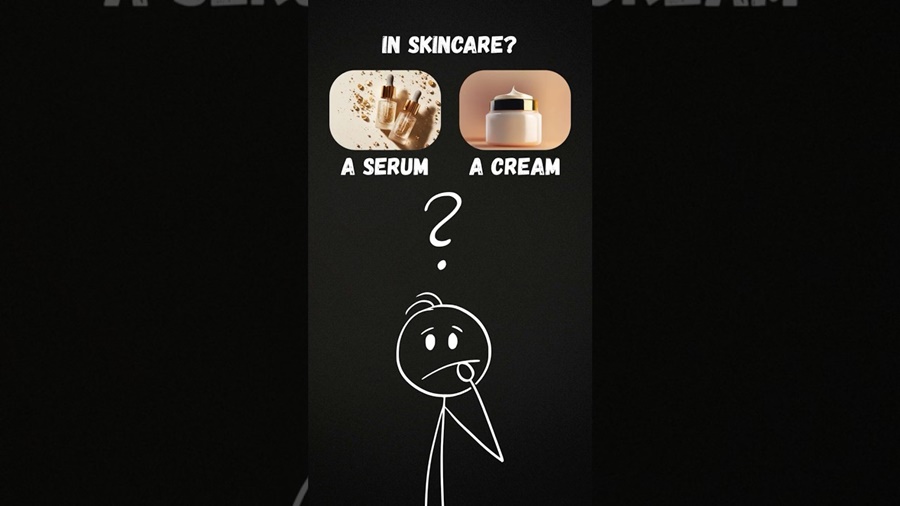
The Serum vs Cream: How to Choose the Right Product is worth a close look — when it comes to skincare, choosing between a serum and a cream can be confusing. Both play important roles in a skincare routine, but they are designed for different purposes. Understanding how each product works and what your skin truly needs will help you make the right choice.
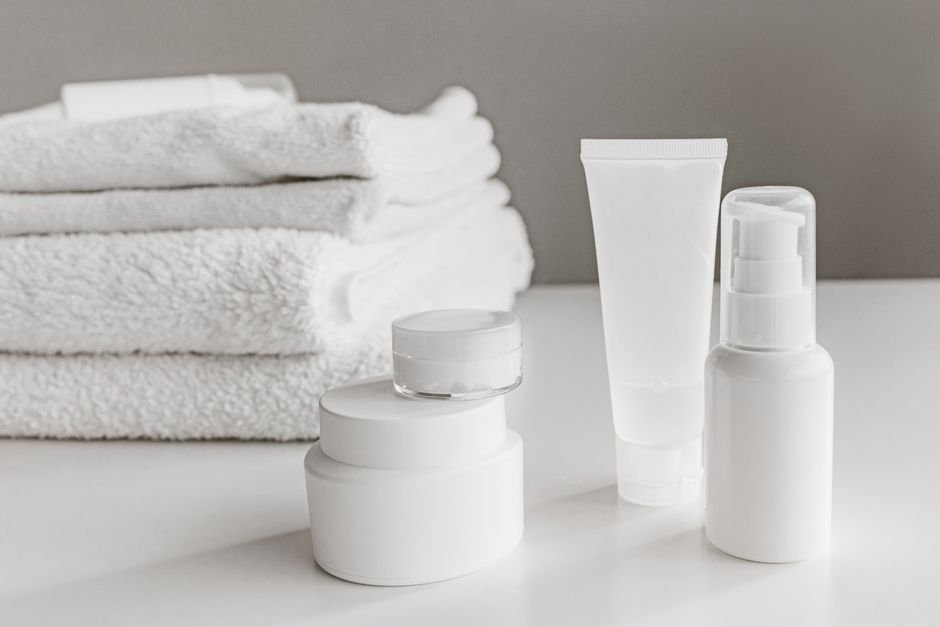
Understanding the Basics
What Is a Serum?
A serum is a lightweight, fast-absorbing skincare product formulated with a high concentration of active ingredients. Its thin consistency allows it to penetrate deeper into the skin.
Key characteristics of serums:
- Lightweight and fluid texture
- High concentration of active ingredients
- Designed to target specific skin concerns
- Absorbs quickly without feeling heavy
Common serum ingredients include vitamin C, hyaluronic acid, niacinamide, retinol, and peptides.
What Is a Cream?
A cream is a thicker, more emollient product designed to hydrate, nourish, and protect the skin. Creams primarily work on the skin’s surface, helping to lock in moisture and strengthen the skin barrier.
Key characteristics of creams:
- Thick and rich texture
- Provides long-lasting hydration
- Forms a protective barrier on the skin
- Helps prevent moisture loss
Creams often contain ingredients like ceramides, shea butter, glycerin, oils, and occlusives.
Key Differences Between Serum and Cream
| Feature | Serum | Cream |
|---|---|---|
| Texture | Lightweight, watery or gel-like | Thick, rich |
| Absorption | Fast, penetrates deeply | Slower, stays on surface |
| Purpose | Targets specific concerns | Moisturizes and protects |
| Active Ingredients | High concentration | Moderate concentration |
| Best For | Treatment and correction | Hydration and barrier support |
How to Choose the Right Product
Consider Your Skin Type
- Oily or acne-prone skin: Serums are often ideal because they are lightweight and non-greasy. Gel-based creams can also work.
- Dry skin: Creams provide essential moisture, but pairing them with a hydrating serum can be highly effective.
- Combination skin: Use serums for targeted concerns and lighter creams to balance hydration.
- Sensitive skin: Look for gentle serums and soothing creams with minimal fragrance.
Identify Your Skin Concerns
Choose based on what you want to achieve:
- Fine lines and wrinkles: Anti-aging serums with retinol or peptides
- Dullness or uneven tone: Brightening serums with vitamin C or niacinamide
- Dehydration: Hydrating serums plus a nourishing cream
- Barrier repair: Creams with ceramides and fatty acids
Climate and Lifestyle Matter
- Humid climates: Lightweight serums and gel creams feel more comfortable.
- Cold or dry climates: Rich creams are essential to prevent moisture loss.
- Busy routines: A multitasking cream may be more practical, while serums suit those who enjoy layered skincare.
Can You Use Both Serum and Cream?
Absolutely. In fact, using both together is often the best approach.
Correct Order of Application
- Cleanser
- Toner (optional)
- Serum (to treat specific concerns)
- Cream (to seal in moisture and protect the skin)
- Sunscreen (morning routine)
This layering method allows the serum to work effectively while the cream locks in its benefits.
Common Myths About Serums and Creams
- “Serums replace moisturizers.”
Not true. Serums treat, while creams moisturize. - “Creams are only for dry skin.”
There are lightweight creams suitable for oily and combination skin as well. - “More product means better results.”
Using the right product in the right amount is far more effective.
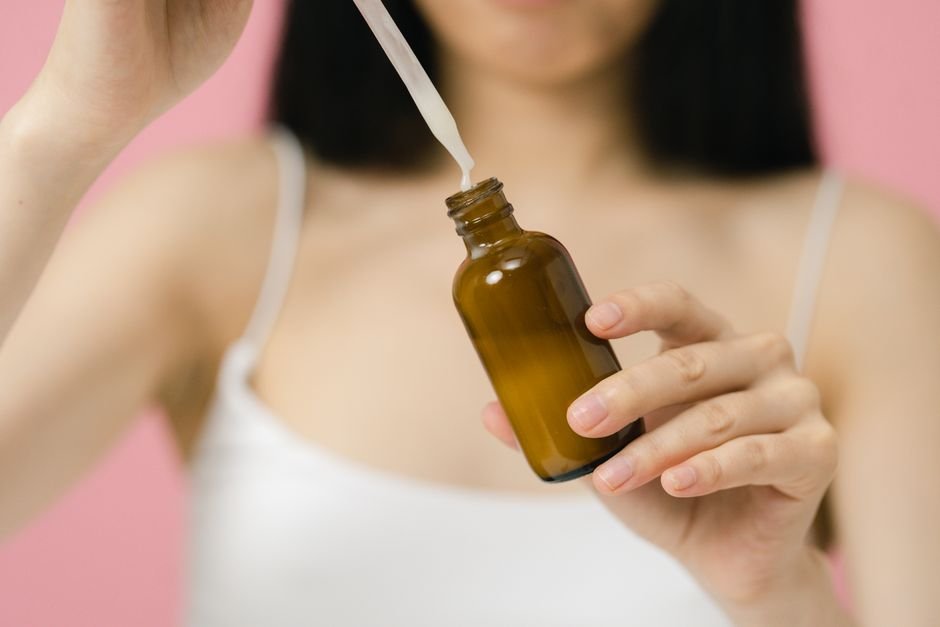
Who Suits Each Product Type?
Serums are ideal for those with specific issues like hyperpigmentation, fine lines, or acne. If you have oily skin, lightweight serums can combat problems without adding excess shine. They suit anyone looking for concentrated treatments that target particular concerns.
Creams work well for individuals seeking all-around moisture, particularly those with dry or mature skin. If you prefer a simplistic routine, a cream offers hydration and barrier support in one step. This is often a better fit for those who live in harsher climates demanding extra protection.
Common Mistakes to Avoid
One frequent error is layering products improperly. Always remember that lighter formulas should go on before heavier ones. Applying a cream before a serum can create a barrier that traps the serum’s active ingredients, preventing them from working effectively.
Another mistake is not allowing enough time between applications. Give each product a minute to absorb before applying the next. Additionally, many people overlook the expiration dates on skincare products. Using expired items can lead to skin irritation.
- Overloading your skin with too many products can cause breakouts.
- Neglecting sunscreen after applying a serum can reduce its benefits.
- Ignoring your skin’s response to products may lead to adverse effects.
Related reading: choose the perfect.
Maintenance Tips for Maximizing Results
To get the most from your serum or cream, apply it consistently. For serums, use them daily—especially after cleansing. This reliance on a routine helps maintain hydration levels and improves results over time.
Store your products properly to prevent degradation. Keep serums in dark, cool places to enhance their longevity. Creams can generally withstand different environments, but keeping them sealed avoids contamination.
- Patch-test new products before full application.
- Don’t layer too many products. This can overwhelm your skin.
- Monitor how your skin responds and adjust your routine if necessary.
Conclusion
Choosing between a serum and a cream isn’t about which is better it’s about what your skin needs. Serums deliver targeted treatment, while creams provide hydration and protection. For most people, combining both creates a balanced and effective skincare routine. To understand Serum vs Cream: How to Choose the Right Product, be sure to consider your skin type, concerns, and lifestyle.
By understanding your skin type, concerns, and environment, you can confidently select the right products and achieve healthier, more radiant skin.
Leave a Reply