
When it comes to skincare, hyaluronic acid and retinol are two of the most talked-about ingredients and for good reason. Both are powerful, dermatologist-recommended, and backed by science. But they do very different things for your skin.
So which one is better?
The honest answer: it depends on your skin goals.
Let’s break it down clearly so you can decide what’s best for your skin.
What Is Hyaluronic Acid?
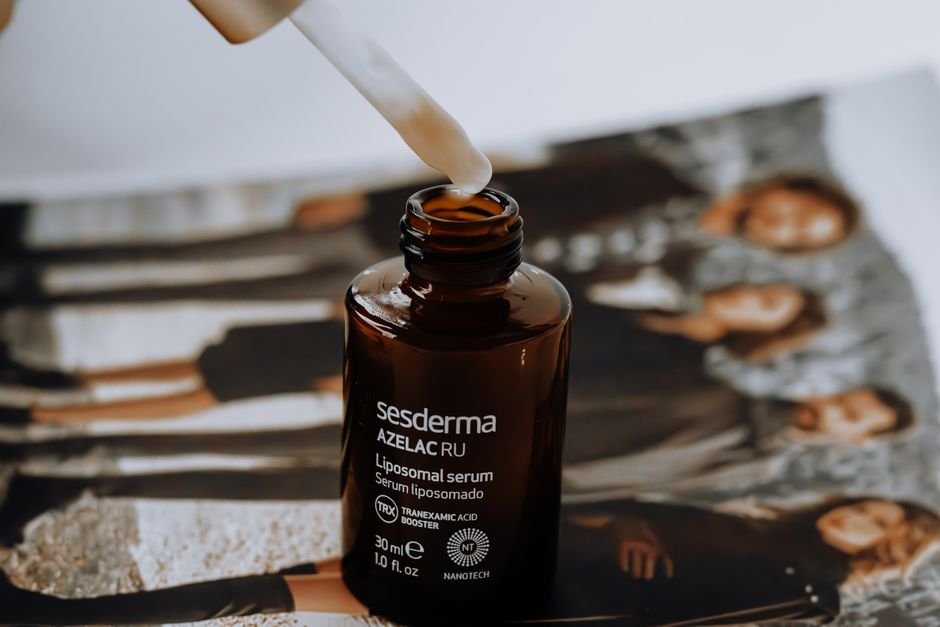
Hyaluronic acid (HA) is a hydrating molecule that naturally exists in our skin. Its superpower is moisture retention—it can hold up to 1,000 times its weight in water.
Key Benefits of Hyaluronic Acid
- Deeply hydrates the skin
- Plumps fine lines caused by dryness
- Improves skin elasticity and softness
- Strengthens the skin barrier
- Suitable for all skin types, including sensitive and acne-prone skin
How It Works
Hyaluronic acid attracts water from the environment and deeper skin layers, helping your skin look smooth, dewy, and healthy.
Best For
- Dry or dehydrated skin
- Sensitive skin
- Dull or tight-feeling skin
- Anyone needing instant hydration
What Is Retinol?
Retinol is a vitamin A derivative and one of the most effective anti-aging ingredients in skincare. It works by speeding up cell turnover and stimulating collagen production.
Key Benefits of Retinol
- Reduces fine lines and wrinkles
- Treats acne and unclogs pores
- Improves skin texture and tone
- Fades dark spots and hyperpigmentation
- Boosts collagen over time
How It Works
Retinol encourages skin cells to renew faster, revealing smoother, clearer, and more youthful-looking skin beneath the surface.
Best For
- Aging or mature skin
- Acne-prone skin
- Uneven skin tone
- Sun damage and dark spots
Hyaluronic Acid vs Retinol: A Side-by-Side Comparison
| Feature | Hyaluronic Acid | Retinol |
|---|---|---|
| Primary Function | Hydration | Anti-aging & acne treatment |
| Speed of Results | Immediate plumping | Gradual, long-term improvement |
| Irritation Risk | Very low | Moderate to high (initially) |
| Suitable for Beginners | Yes | Needs gradual introduction |
| Use During Pregnancy | Yes | No (avoid retinol) |
| Time of Use | Morning & night | Night only |
Which Is Better for Your Skin?
Choose Hyaluronic Acid If:
- Your skin feels dry, tight, or flaky
- You want instant hydration and glow
- You have sensitive or reactive skin
- You’re new to skincare
Choose Retinol If:
- You’re targeting wrinkles or fine lines
- You struggle with acne or clogged pores
- You want long-term skin renewal
- You can tolerate active ingredients
Can You Use Hyaluronic Acid and Retinol Together?
Yes and they actually work better together.
Hyaluronic acid helps counteract the dryness and irritation that retinol can cause. Using them together can make retinol more tolerable and effective.
How to Layer Them
- Cleanse your face
- Apply retinol (at night)
- Follow with hyaluronic acid
- Seal with a moisturizer
Always use sunscreen during the day when using retinol, as it makes skin more sun-sensitive.
Which One Is Better Overall?
There’s no single winner because they serve different purposes:
- Hyaluronic acid = hydration, comfort, and skin barrier support
- Retinol = transformation, anti-aging, and acne control
Best skincare routine? Use both, thoughtfully and consistently.
Cost Comparison and Budgeting for Skincare
When considering hyaluronic acid versus retinol, pricing varies widely based on brand and formulation. Drugstore options for hyaluronic acid can start as low as $10, while high-end serums may reach $100 or more. Retinol products also range from around $15 for over-the-counter creams to $200 for prescription-strength options.
Creating a budget for your skincare routine helps manage costs. Start by selecting mid-range products that suit your skin type. As your skin’s needs evolve, you can adjust your spending accordingly. Consider using a mix of both types for comprehensive care.
Maintenance and Long-Term Use
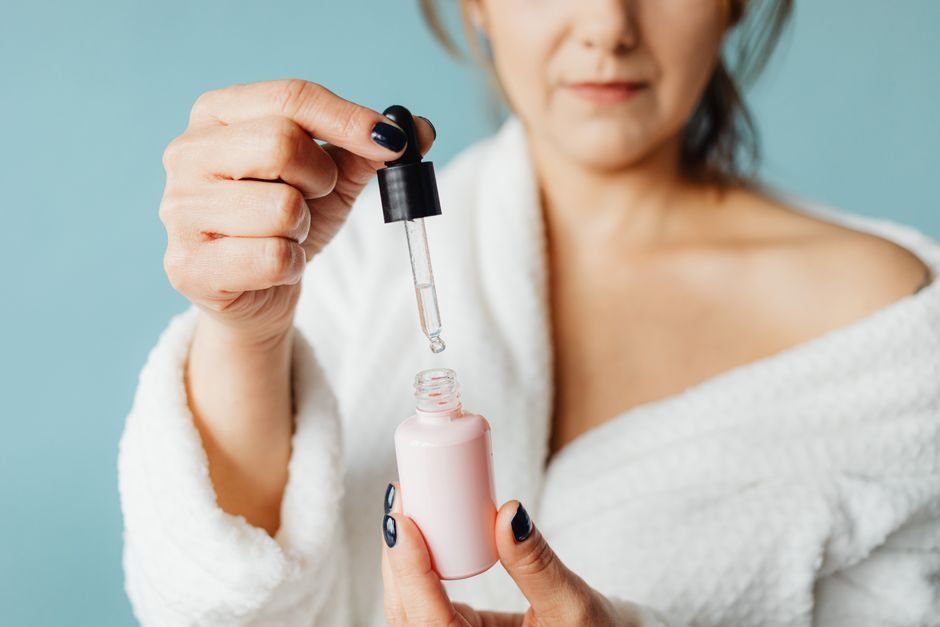
Maintaining a healthy skincare routine is crucial for long-lasting results. With hyaluronic acid, it’s essential to reapply daily, usually after cleansing and before a moisturizer. This keeps your skin plump and hydrated throughout the day.
Retinol requires consistency for optimal results. Expect to use it regularly, at least two to three times a week. After a few months of consistent use, you’ll likely notice improved texture and reduced fine lines.
Both products can be used long-term but involve a commitment. Monitor your skin’s response and adjust usage as needed. With patience and diligence, you can enjoy the benefits of both ingredients for years to come.
Practical Application Tips
Incorporating hyaluronic acid and retinol into your skincare routine requires attention to detail. Start with a clean, damp face for hyaluronic acid, as this maximizes its hydrating effect. Apply one or two drops before your moisturizer. Use retinol on completely dry skin to prevent irritation, typically in the evening. Remember, a pea-sized amount is sufficient.
When starting with retinol, begin with a lower concentration. Use it twice a week, gradually increasing frequency as your skin adjusts. A moisturizer layered on top will help soften any harsh effects. Consider a gentle cleanser at night to avoid stripping your skin unnecessarily.
Common Mistakes to Avoid
Many people make errors that can hinder the effectiveness of these products. Avoid using retinol and hyaluronic acid in the same application if you have sensitive skin. This can lead to irritation. Start slow with retinol, as overuse is a common pitfall.
Another mistake is skipping sunscreen when using retinol. This ingredient can increase sun sensitivity. Always apply broad-spectrum SPF 30 or higher during the day. Lastly, don’t neglect hydration; drink plenty of water, as both products require healthy skin moisture levels for optimal results.
There is more on vs soap which is better elsewhere on the site.
Conclusion
Hyaluronic acid and retinol are both exceptional skincare ingredients, but they serve very different purposes. Hyaluronic acid focuses on hydration and skin barrier support, delivering immediate moisture, plumpness, and comfort with minimal risk of irritation. Retinol, on the other hand, is a long-term treatment ingredient that targets aging, acne, uneven texture, and pigmentation by promoting cell turnover and collagen production.
For more in-depth information on retinol, check out this resource.
Leave a Reply