
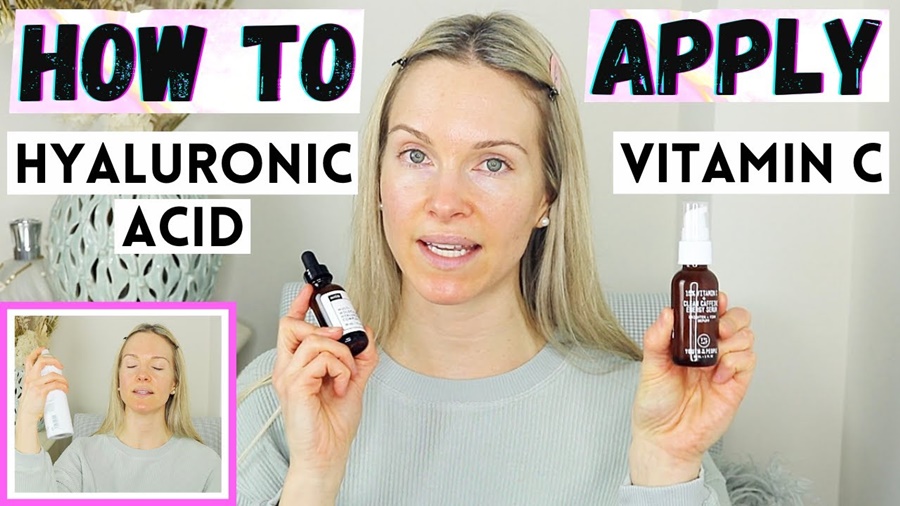
When it comes to skincare, few ingredients are as popular or as confusing as hyaluronic acid and vitamin C. Both are powerful, widely recommended, and backed by science. But they do very different things, and choosing the right one depends on your skin type, concerns, and routine.
So… which one should you use? Let’s break it down.
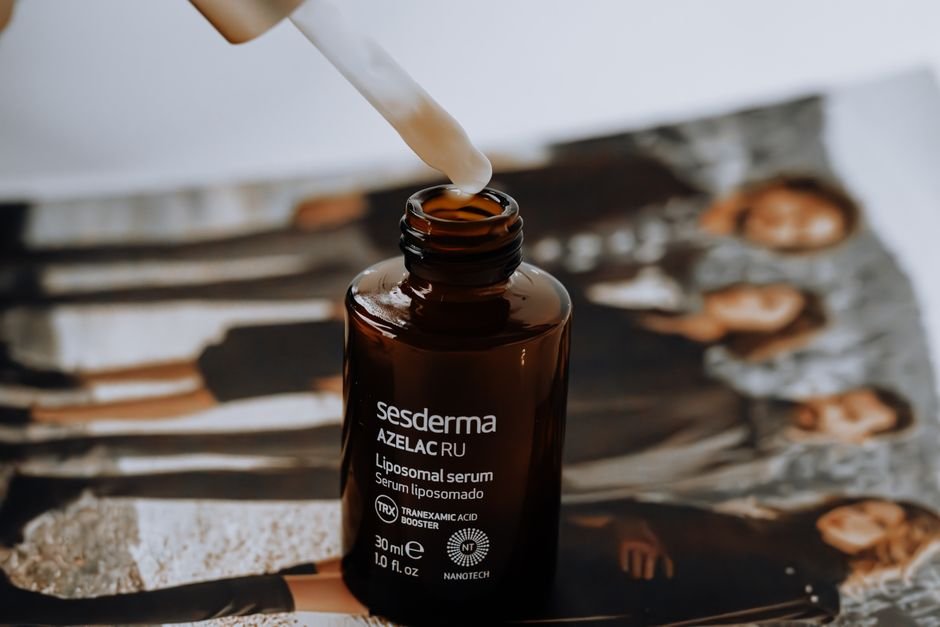
What Is Hyaluronic Acid?
Hyaluronic acid (HA) is a hydration powerhouse. It’s a substance naturally found in your skin that can hold up to 1,000 times its weight in water.
Key Benefits of Hyaluronic Acid
- Deeply hydrates the skin
- Plumps fine lines and improves skin elasticity
- Strengthens the skin barrier
- Soothes dryness and irritation
- Suitable for all skin types, including sensitive and acne-prone skin
How It Works
Hyaluronic acid acts like a sponge, pulling moisture into the skin and locking it in. It doesn’t exfoliate or change skin tone—it simply keeps your skin hydrated, smooth, and comfortable.
Best For
- Dry or dehydrated skin
- Dull, tight, or flaky skin
- People using strong actives (retinoids, acids)
- Anyone wanting instant plumpness and glow
What Is Vitamin C?
Vitamin C (also called ascorbic acid or its derivatives) is a powerful antioxidant known for brightening and anti-aging benefits.
Key Benefits of Vitamin C
- Brightens skin and boosts radiance
- Fades dark spots and hyperpigmentation
- Stimulates collagen production
- Reduces fine lines and wrinkles
- Protects skin from pollution and UV damage
How It Works
Vitamin C neutralizes free radicals caused by sun exposure and environmental stress. Over time, it improves skin tone, texture, and firmness.
Best For
- Dull or uneven skin tone
- Hyperpigmentation and dark spots
- Early signs of aging
- Sun-damaged skin
Hyaluronic Acid vs Vitamin C: Key Differences
| Feature | Hyaluronic Acid | Vitamin C |
|---|---|---|
| Main Function | Hydration | Brightening & anti-aging |
| Skin Type | All skin types | Best for normal to oily (can irritate sensitive skin) |
| Speed of Results | Immediate hydration | Gradual, long-term improvement |
| Irritation Risk | Very low | Medium (depends on concentration) |
| Time of Use | Morning & night | Mostly morning |
Which One Should You Use?
Choose Hyaluronic Acid If:
- Your skin feels dry, tight, or dehydrated
- You want instant plumpness and smoothness
- You have sensitive or reactive skin
- You’re new to skincare
Choose Vitamin C If:
- You struggle with dullness or uneven skin tone
- You want to fade dark spots
- You’re focused on anti-aging
- You want brighter, glowing skin
Can You Use Hyaluronic Acid and Vitamin C Together?
Yes absolutely. In fact, they work better together.
Why They’re a Great Pair
- Vitamin C treats and protects the skin
- Hyaluronic acid hydrates and reduces irritation
- Together, they boost glow while keeping skin balanced
How to Layer Them
- Cleanser
- Vitamin C serum (apply to dry skin)
- Hyaluronic acid serum (apply while skin is slightly damp)
- Moisturizer
- Sunscreen (morning routine only)
Morning vs Night Use
Morning Routine
- Vitamin C (for antioxidant protection)
- Hyaluronic acid (for hydration)
- Sunscreen (non-negotiable)
Night Routine
- Hyaluronic acid
- Moisturizer or treatment products (like retinol)
Common Mistakes to Avoid
- Using vitamin C without sunscreen
- Applying hyaluronic acid to completely dry skin
- Starting with very high vitamin C concentrations
- Skipping moisturizer after HA
Costs and Accessibility
The price of hyaluronic acid and vitamin C products can vary widely. High-quality serums typically range from $10 to $150, depending on concentration, brand, and formulation. Drugstore options are available for both, often at $15 to $30.
Consider purchasing from reputable brands to ensure efficacy. Online retailers frequently offer discounts, so take advantage of sales events.
If you’re on a budget, look for products with stable formulations. Vitamin C can degrade quickly, so opt for serums in dark glass bottles that protect from light. Products with hyaluronic acid often feature simpler formulations, making them easier to find. For further insights on this comparison, check out Hyaluronic Acid vs Vitamin C: Which One Should You Use?

Who Should Use Each Option?
Choosing between hyaluronic acid and vitamin C depends on your skin’s specific needs. If you’re prone to dryness or dehydration, hyaluronic acid is your best bet. It draws moisture to the skin, providing instant hydration.
On the other hand, if you’re looking to brighten your complexion or reduce pigmentation, vitamin C is ideal. It helps combat dullness and promotes an even skin tone.
Individuals with sensitive skin can benefit from both but should patch-test new products first. For oily or acne-prone skin, lightweight formulations of hyaluronic acid can hydrate without clogging pores. Vitamin C is also beneficial, as it fights free radicals that contribute to acne post-inflammatory marks.
See also our take on serum vs moisturizer.
Conclusion
Hyaluronic acid and vitamin C are both essential skincare ingredients, but they serve different purposes. Hyaluronic acid focuses on hydration, helping the skin stay plump, smooth, and comfortable, while vitamin C works on brightening, protecting, and improving signs of aging.
Choosing between them depends on your skin’s needs dry or dehydrated skin benefits most from hyaluronic acid, while dull, uneven, or aging skin responds well to vitamin C.
For best results, you don’t have to choose just one. When used together correctly, hyaluronic acid and vitamin C complement each other, delivering hydrated, radiant, and healthier-looking skin. Understanding your skin type and concerns will help you decide how to use them effectively and get the most out of your skincare routine.
Leave a Reply