
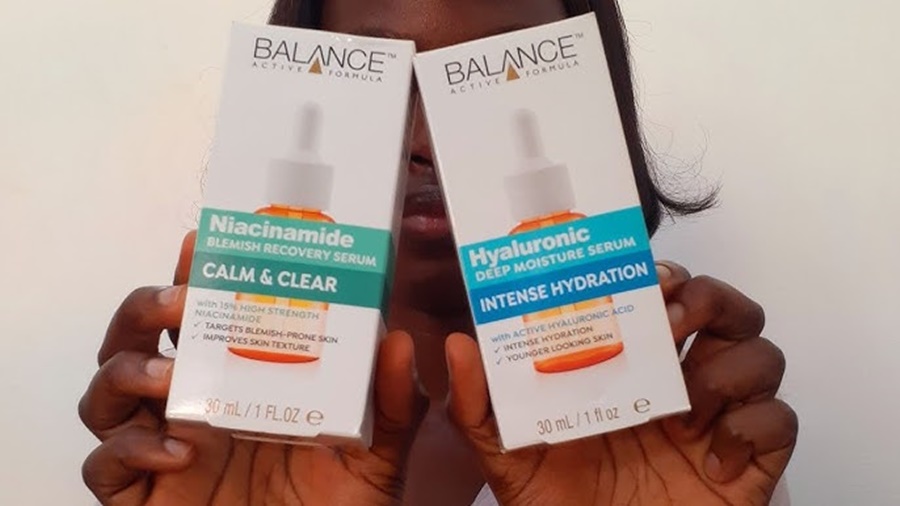
When it comes to skincare, hyaluronic acid and niacinamide are two of the most talked-about ingredients and for good reason. They’re both dermatologist-approved, beginner-friendly, and effective. But they do very different things, which makes the “which is better?” question a little more nuanced.
Let’s break it down so you can figure out which one your skin actually needs (or whether you should be using both).
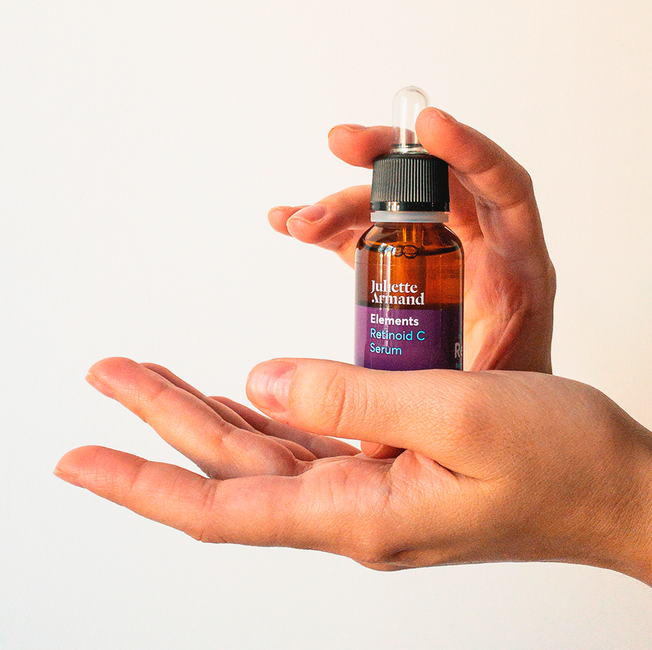
What Is Hyaluronic Acid?
Hyaluronic acid (HA) is a humectant, meaning it draws moisture into the skin and helps retain it. Your body naturally produces hyaluronic acid, but levels decrease with age, sun exposure, and environmental stress.
Key Benefits of Hyaluronic Acid
- Deeply hydrates the skin
- Plumps fine lines and improves elasticity
- Soothes dryness and tightness
- Supports a healthy skin barrier
Who Should Use Hyaluronic Acid?
Hyaluronic acid is ideal for:
- Dry or dehydrated skin
- Sensitive skin
- Aging or mature skin
- Anyone experiencing tightness or flakiness
Because it’s lightweight and non-comedogenic, it works well for all skin types, including oily and acne-prone skin.
What Is Niacinamide?
Niacinamide is a form of vitamin B3 and a multitasking skincare powerhouse. Unlike hyaluronic acid, which focuses on hydration, niacinamide works on skin balance and repair.
Key Benefits of Niacinamide
- Regulates oil production
- Minimizes the appearance of pores
- Improves uneven skin tone
- Reduces redness and inflammation
- Strengthens the skin barrier
Who Should Use Niacinamide?
Niacinamide is especially beneficial for:
- Oily or combination skin
- Acne-prone skin
- Enlarged pores
- Redness, rosacea, or irritation
- Hyperpigmentation and dullness
It’s generally well tolerated, though very high concentrations may cause irritation for sensitive skin.
Hyaluronic Acid vs Niacinamide: Key Differences
| Feature | Hyaluronic Acid | Niacinamide |
|---|---|---|
| Primary Function | Hydration | Oil control & repair |
| Skin Type | All, especially dry | Oily, acne-prone, combo |
| Texture | Lightweight, watery | Lightweight, serum-like |
| Main Benefit | Moisture retention | Skin tone & barrier support |
| Irritation Risk | Very low | Low (higher at strong %s) |
Which One Is Better for Your Skin?
The answer depends on your skin concerns, not which ingredient is “stronger.”
Choose Hyaluronic Acid If:
- Your skin feels dry, tight, or dehydrated
- You want instant plumpness and glow
- You live in a dry or cold climate
- Your skin is sensitive or easily irritated
Choose Niacinamide If:
- Your skin gets oily or breaks out often
- You struggle with redness or uneven tone
- You want to refine pores and control shine
- You’re dealing with post-acne marks
Can You Use Hyaluronic Acid and Niacinamide Together?
Absolutely and this is where the magic happens.
These ingredients complement each other beautifully:
- Hyaluronic acid hydrates and plumps
- Niacinamide strengthens the barrier and balances oil
Used together, they help create healthy, resilient skin without overwhelming it.
How to Layer Them
- Cleanser
- Hyaluronic acid (on slightly damp skin)
- Niacinamide serum
- Moisturizer
- Sunscreen (morning)
Most modern serums even combine both ingredients in one formula.
Common Myths Debunked
Myth: Niacinamide and hyaluronic acid cancel each other out
Truth: They’re stable together and often formulated side by side
Myth: Hyaluronic acid is only for dry skin
Truth: Oily skin needs hydration too; dehydration can increase oil production
Myth: Niacinamide causes purging
Truth: Niacinamide does not cause purging; irritation usually comes from high concentrations

Common Mistakes to Avoid
Many people misuse these ingredients, which can diminish their effectiveness. One common mistake with hyaluronic acid is applying it on dry skin. This can lead to moisture loss instead of hydration. Always ensure your skin is slightly damp to create a barrier.
For niacinamide, avoid pairing it directly with vitamin C products, as the two can neutralize each other’s benefits. Instead, use them at different times of the day or wait to apply the next product after 20 minutes.
Another pitfall is expecting immediate results. Give these ingredients time to work. You might notice subtle differences in texture and appearance after several weeks of regular use.
Maintenance Tips for Long-Term Results
Using either ingredient consistently yields the best results. To maintain skin’s hydration, apply hyaluronic acid on damp skin, sealing it with a moisturizer. This ensures maximum absorption.
For niacinamide, choose a serum or cream suited for your skin type, applying it once or twice daily after cleansing. Regular usage can help improve skin texture over time.
- Reevaluate your skincare routine every few months.
- Patch-test newer products to avoid irritation.
- Stay hydrated and maintain a balanced diet for optimal skin health.
Ultimately, both ingredients can coexist in your routine, maximizing hydration and skin barrier protection. Consistency is key for lasting improvements.
Conclusion
Hyaluronic acid and niacinamide are both powerful skincare ingredients, but they serve different purposes. Hyaluronic acid focuses on hydration and moisture retention, making it ideal for dry, dehydrated, or sensitive skin. Niacinamide, on the other hand, works to balance oil production, improve skin texture, and strengthen the skin barrier, which makes it especially beneficial for oily, acne-prone, or uneven skin.
To learn about mixing these ingredients, you can read more here.
Rather than choosing one over the other, the best approach often depends on your skin’s specific needs. If hydration is your primary concern, hyaluronic acid is the better choice. If you’re targeting excess oil, enlarged pores, or redness, niacinamide may be more effective. For many people, using both together provides the most well-rounded results.
Leave a Reply