
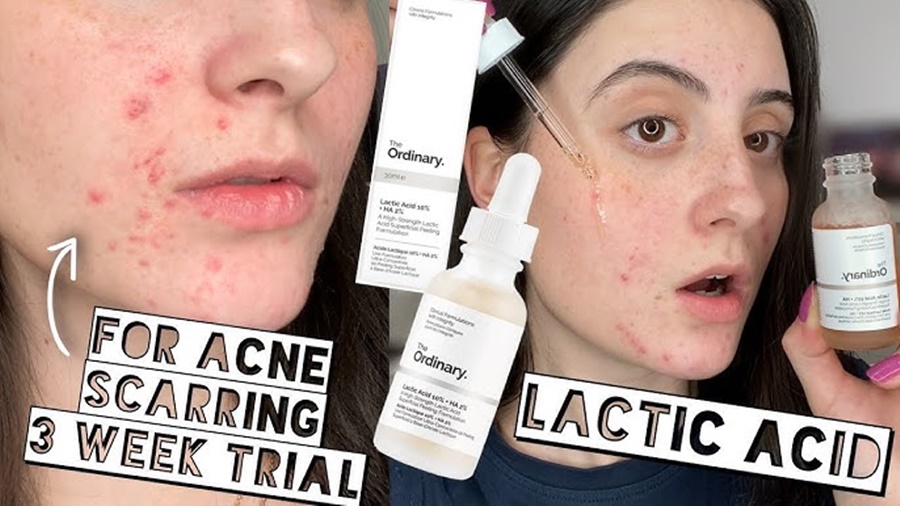
When it comes to skincare, acids often get a bad reputation. Many people assume that anything called an “acid” must be harsh or damaging. In reality, some of the most effective and skin-friendly ingredients in modern skincare are acids. Two of the most popular are Hyaluronic Acid and Lactic Acid.
Although their names sound similar, they serve very different purposes. Understanding how each one works can help you choose the right ingredient for your skin type and goals.
What Is Hyaluronic Acid?
Hyaluronic Acid (HA) is a hydrating ingredient, not an exfoliating acid. It is a substance naturally found in our skin, joints, and connective tissues. Its main job is to retain moisture.
How Hyaluronic Acid Works
Hyaluronic Acid acts like a sponge. It can hold up to 1,000 times its weight in water, helping the skin stay plump, smooth, and hydrated. Rather than removing dead skin cells, it draws moisture into the skin and locks it in.
Benefits of Hyaluronic Acid
- Deeply hydrates the skin
- Improves skin elasticity and plumpness
- Reduces the appearance of fine lines caused by dehydration
- Strengthens the skin barrier
- Soothes dry, tight, or irritated skin
Who Should Use Hyaluronic Acid?
Hyaluronic Acid is suitable for all skin types, including:
- Dry skin
- Oily skin
- Sensitive skin
- Acne-prone skin
Because it is gentle and non-irritating, it is often recommended for daily use, even for beginners.
What Is Lactic Acid?
Lactic Acid is an Alpha Hydroxy Acid (AHA) derived from milk or fermented plant sugars. Unlike Hyaluronic Acid, Lactic Acid is an exfoliant.
How Lactic Acid Works
Lactic Acid works by breaking down the bonds between dead skin cells on the surface of the skin. This allows old, dull skin to shed more easily, revealing smoother and brighter skin underneath.
Compared to other AHAs like glycolic acid, lactic acid has a larger molecular size, which makes it milder and more suitable for sensitive skin.
Benefits of Lactic Acid
- Gently exfoliates dead skin cells
- Brightens dull complexion
- Improves uneven skin tone
- Smooths rough texture
- Helps fade dark spots and mild hyperpigmentation
- Boosts skin cell turnover
Who Should Use Lactic Acid?
Lactic Acid is ideal for people with:
- Dull or uneven skin tone
- Mild acne or clogged pores
- Rough or bumpy skin texture
- Early signs of aging
However, it may not be suitable for very sensitive or compromised skin unless used at low concentrations.
Key Differences Between Hyaluronic Acid and Lactic Acid
| Feature | Hyaluronic Acid | Lactic Acid |
|---|---|---|
| Primary Function | Hydration | Exfoliation |
| Skin Type | All skin types | Normal, oily, combination, mild sensitive |
| Main Benefit | Moisture retention | Skin renewal and brightness |
| Risk of Irritation | Very low | Moderate (if overused) |
| Use Frequency | Daily | 1–3 times per week |
| Helps With | Dryness, fine lines | Dullness, uneven tone |
Can You Use Hyaluronic Acid and Lactic Acid Together?
Yes, they can work very well together when used correctly.
Lactic Acid exfoliates the skin, which can temporarily make it more sensitive and prone to dryness. Hyaluronic Acid helps counteract this by restoring moisture and soothing the skin.
How to Layer Them
- Cleanse your face
- Apply Lactic Acid (usually at night)
- Wait a few minutes
- Apply Hyaluronic Acid
- Follow with a moisturizer
Always use sunscreen during the day when using exfoliating acids like lactic acid.
Which One Is Right for Your Skin?
Choose Hyaluronic Acid if:
- Your skin feels dry or tight
- You want hydration and plumpness
- You have sensitive or reactive skin
- You want a safe daily skincare ingredient
Choose Lactic Acid if:
- Your skin looks dull or uneven
- You struggle with mild acne or texture
- You want brighter, smoother skin
- You are comfortable using exfoliating acids
For many people, the best solution is using both, as they target different skin concerns.
Cost Comparison and Maintenance
The price of products containing hyaluronic acid typically ranges from $10 to $100, depending on formulation and brand. Lactic acid products can be between $10 and $50, making them generally more budget-friendly. Consider investing in a good serum or moisturizer with hyaluronic acid if your skin needs deep hydration. Brands like The Ordinary and Paula’s Choice offer effective options for both acids.
Make sure you check ingredient concentrations and choose products suited for your skin type.
Regular application is key to seeing results. Use lactic acid 1-3 times a week, while hyaluronic acid can be applied daily. Establish a simple routine that fits your lifestyle to ensure consistency.
Practical Application Tips
To maximize the benefits of hyaluronic acid, apply it on damp skin. After cleansing, spritz your face with a hydrating toner and then layer the hyaluronic acid serum. This traps moisture effectively. Aim for a dime-sized amount and gently press it into your skin.
For lactic acid, start with a lower concentration, especially if you are a beginner. Apply a small amount after cleansing, using only 2-3 times a week. Gradually increase usage as your skin builds tolerance.
Common Mistakes to Avoid
One frequent mistake is assuming all acids are interchangeable. While both soften skin, using them incorrectly can lead to irritation. For example, applying lactic acid on already sensitive or dry skin can worsen discomfort.
Another mistake is neglecting sunscreen. Lactic acid can increase sun sensitivity, making it vital to wear SPF daily when you use this ingredient.
- Avoid combining with other strong actives like retinol.
- Don’t overuse hyaluronic acid; more is not always better.
- Test new products on a small area first to check for reactions.
Conclusion
Hyaluronic Acid and Lactic Acid are not competitors they are complements. One hydrates and protects, while the other exfoliates and renews. Choosing the right one depends on what your skin needs most, or whether you want to combine them for balanced, healthy skin.
Understanding your skin type and concerns is the key to getting the best results. When used properly, both ingredients can play a powerful role in an effective skincare routine.
Leave a Reply