
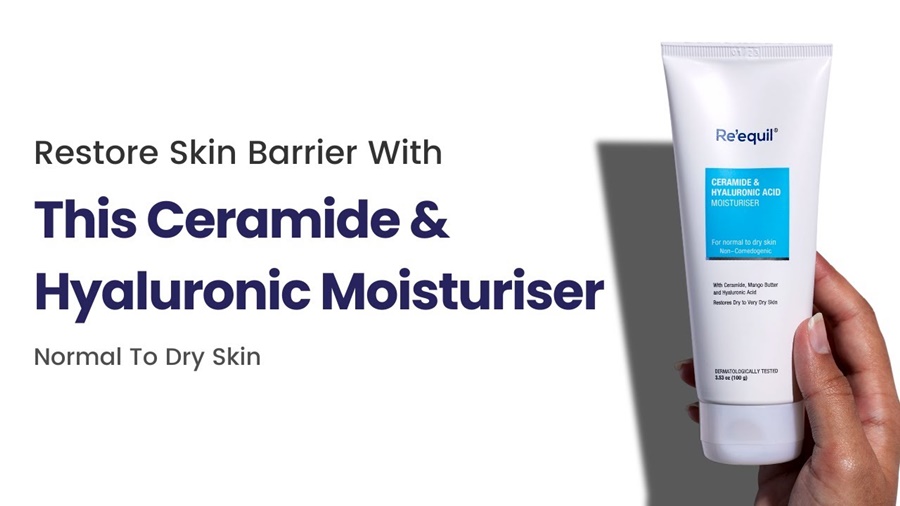
Two ingredients that often come up in discussions about treating dryness are Hyaluronic Acid (HA) and Ceramides. Dry skin is a common skincare concern affecting millions of people worldwide. It can feel tight, flaky, irritated, and uncomfortable especially in harsh climates or with aging skin.
But which one is better for dry skin? The short answer: they both help — but in different ways. Let’s break it down.
What Is Hyaluronic Acid?
Hyaluronic Acid is a naturally occurring substance in the skin that holds moisture.
- It’s a humectant — meaning it pulls water into the skin.
- One molecule of HA can hold up to 1,000 times its weight in water.
- It helps plump the skin, improve elasticity, and reduce the appearance of fine lines.
How It Works:
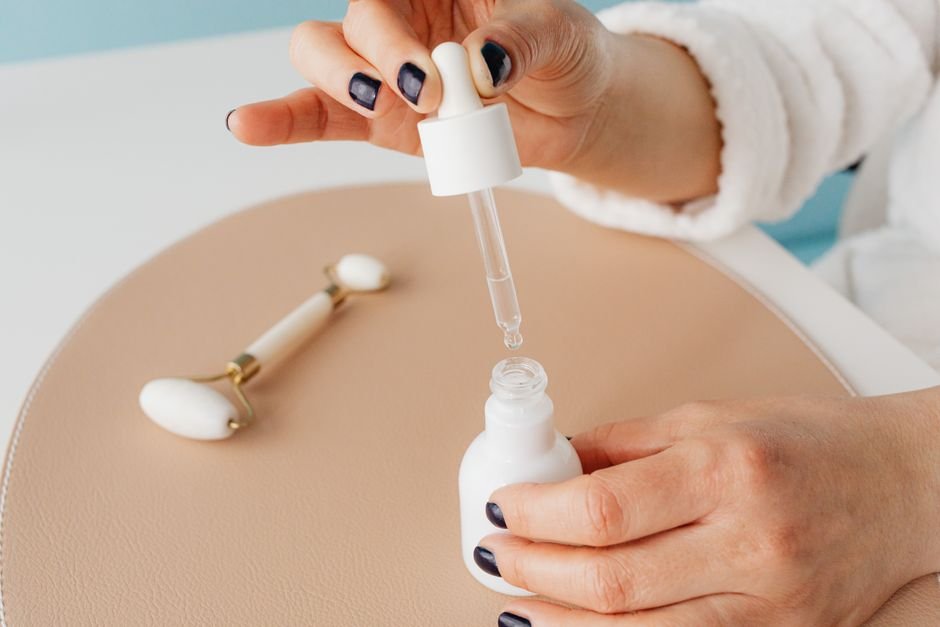
When applied topically (in serums, creams, or lotions), HA attracts moisture from the environment and deeper skin layers into the outer skin keeping it hydrated.
Key Benefits:
Intense hydration boost
Visible plumping effect
Lightweight and suitable for most skin types
Works well under moisturizers
What Are Ceramides?
Ceramides are lipids (fats) that form part of the skin’s protective barrier.
- They make up around 40–50% of the skin’s outer layer.
- Their job is to seal in moisture and protect from irritants.
- In dry skin, ceramide levels are often depleted.
How They Work:
Ceramides help strengthen the barrier that prevents water loss (also known as TEWL — transepidermal water loss). When this barrier is healthy, skin stays hydrated, smooth, and protected.
Key Benefits:
Restores skin barrier function
Reduces dryness and flakiness
Calms irritation
Works well with other actives
Hyaluronic Acid vs Ceramide: Side-by-Side Comparison
| Feature | Hyaluronic Acid | Ceramides |
|---|---|---|
| Main Function | Attracts water to skin | Strengthens skin barrier & prevents water loss |
| Hydration Type | Pulls moisture in | Locks moisture in |
| Best For | Surface hydration, plumping | Barrier repair, long-term moisture retention |
| Texture | Lightweight | Slightly heavier, richer |
| Ideal Use | Serums, essences | Moisturizers, creams |
Which Is Better for Dry Skin?
The answer depends on what your dry skin needs most:
If your skin feels tight and lacks surface moisture
Hyaluronic Acid delivers a fast and noticeable hydration boost. It’s great especially in dry indoor climates or in the morning.
If your skin is flaky, irritated, or barrier-compromised
Ceramides are essential. They help restore the skin’s protective layer so moisture stays in and irritation stays out.
For many people with dry skin, the best results come from using both: hyaluronic acid to draw moisture in, and ceramides to lock it in.
How to Use Hyaluronic Acid and Ceramides Together
Here’s a simple layering routine:
- Cleanse: Use a gentle, hydrating cleanser.
- Hyaluronic Acid: Apply HA serum to damp skin (helps it bind moisture).
- Moisturizer with Ceramides: Seal it with a ceramide-rich cream or lotion.
- SPF (Daytime): Always finish with sunscreen during the day.
Tips for Maximum Hydration
Apply hyaluronic acid to slightly damp skin
Use ceramide products both day and night
Avoid harsh exfoliants or stripping cleansers they can damage the barrier
If super dry, choose richer creams or occlusives (like petrolatum or squalane)
Who Should Use What?
Hyaluronic Acid Is Best For:
• Mild to moderate dryness
• Tight skin needing plumpness
• Layering with other serums
Ceramides Are Best For:
• Very dry or sensitive skin
• Compromised skin barriers
• Long-lasting moisture
Cost Comparison and Value
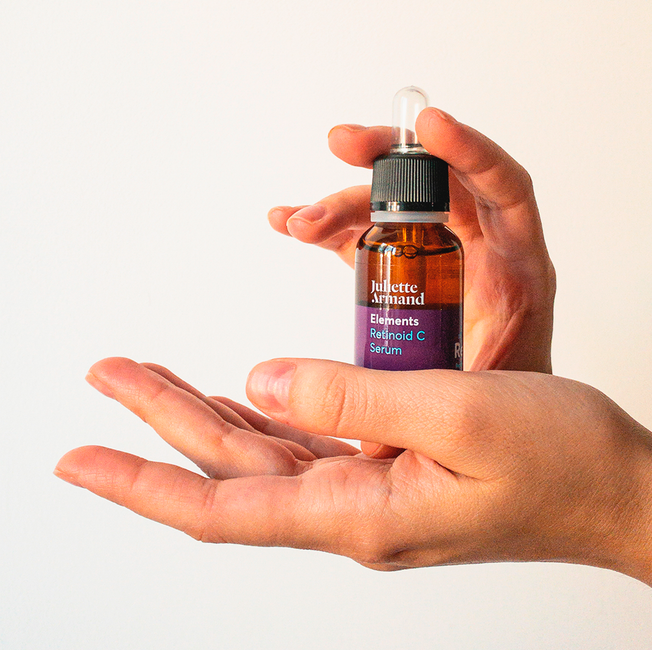
The price point for hyaluronic acid and ceramides can vary greatly. Hyaluronic acid serums generally range from $10 to $100, depending on the formulation and brand. Consider a higher-priced product if it contains multiple active ingredients or is from a reputable brand.
Creams rich in ceramides often start around $15 and can exceed $60 for premium options. Weighing cost against efficacy is key; sometimes, budget-friendly products may perform just as well as luxury ones.
Common Mistakes to Avoid
Many people assume that using multiple hydrating products simultaneously guarantees better results. However, layering too many products can overwhelm your skin. Stick to a focused routine with one key ingredient from each category.
Avoid applying either ingredient on completely dry skin. This can prevent their effects. Additionally, don’t forget to patch-test new products to ensure compatibility with your skin type. If irritation occurs, discontinue use to avoid worsening dryness.
Conclusion
When it comes to dry skin, Hyaluronic Acid and Ceramides are not rivals they are partners. Hyaluronic acid works by attracting and holding moisture in the skin, providing an immediate hydration boost and a plump, refreshed appearance. Ceramides, on the other hand, strengthen the skin’s natural barrier, preventing moisture loss and protecting the skin from irritation and environmental damage.
If your skin feels tight and dehydrated, hyaluronic acid can offer quick relief. If it’s flaky, rough, or easily irritated, ceramides are essential for long-term repair and moisture retention. For best results, especially with dry or very dry skin, using both together is ideal hyaluronic acid hydrates, and ceramides lock that hydration in.
Leave a Reply