
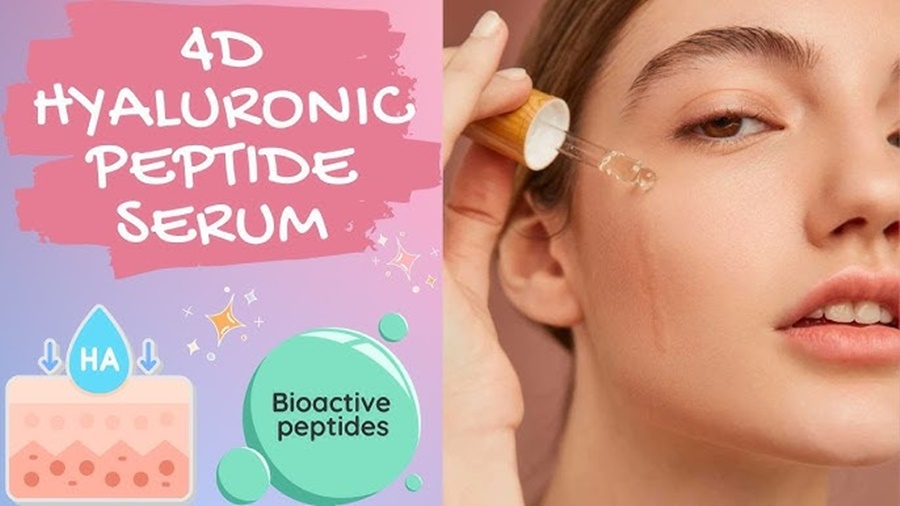
In modern skincare, hyaluronic acid and peptides are two of the most talked-about ingredients. Both are praised for anti-aging benefits, skin repair, and overall skin health but they work in very different ways. If you’ve ever wondered which one is more effective, the real answer depends on your skin’s needs and goals.
This article breaks down how each ingredient works, their benefits, differences, and when one may be better than the other.
What Is Hyaluronic Acid?
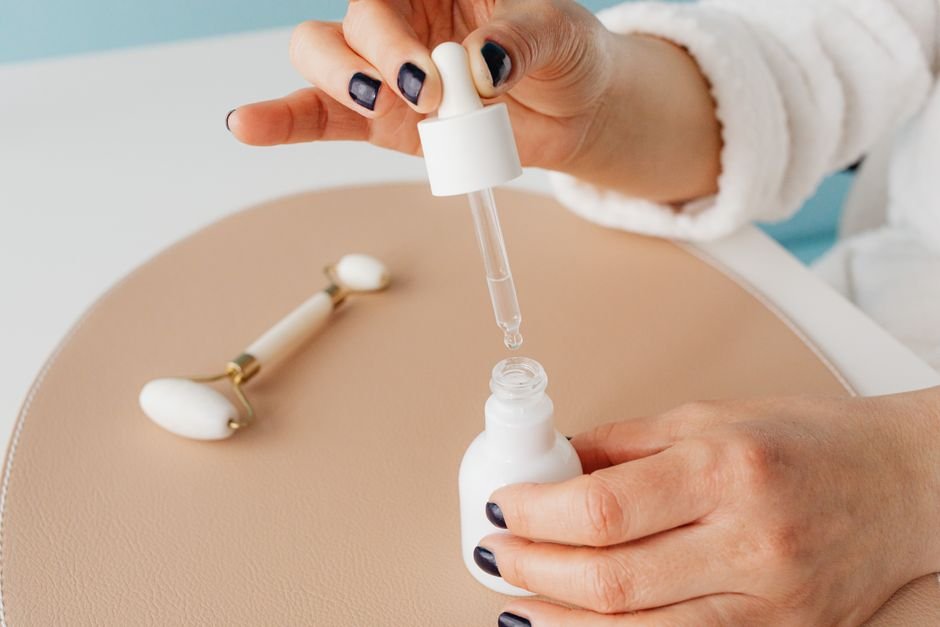
Hyaluronic acid (HA) is a humectant, meaning it attracts and retains moisture. Naturally found in the skin, joints, and eyes, HA can hold up to 1,000 times its weight in water, making it essential for skin hydration and plumpness.
Key Benefits of Hyaluronic Acid
- Deeply hydrates the skin
- Plumps fine lines caused by dehydration
- Improves skin elasticity and softness
- Supports the skin barrier
- Suitable for all skin types, including sensitive and acne-prone skin
How It Works
Hyaluronic acid does not stimulate collagen directly. Instead, it works on the surface and upper layers of the skin, pulling in moisture and keeping the skin supple and smooth.
What Are Peptides?
Peptides are short chains of amino acids, which are the building blocks of proteins like collagen, elastin, and keratin. In skincare, peptides act as cell messengers, signaling the skin to repair and rebuild itself.
Key Benefits of Peptides
- Stimulate collagen and elastin production
- Improve skin firmness and elasticity
- Reduce the appearance of fine lines and wrinkles
- Support skin barrier repair
- Help improve texture and resilience over time
How They Work
Peptides penetrate deeper than hyaluronic acid and communicate with skin cells to trigger biological responses, such as increased collagen synthesis.
Hyaluronic Acid vs Peptides: Key Differences
| Feature | Hyaluronic Acid | Peptides |
|---|---|---|
| Primary Function | Hydration | Skin repair & collagen support |
| Speed of Results | Immediate | Gradual, long-term |
| Best For | Dry, dehydrated skin | Aging, sagging, loss of firmness |
| Works On | Skin surface | Deeper skin layers |
| Anti-Aging Role | Plumps lines | Reduces wrinkles structurally |
Which Is More Effective?
For Hydration and Instant Glow
Hyaluronic acid is more effective. It delivers immediate results by hydrating the skin, making it look fuller and smoother almost instantly.
For Anti-Aging and Firmness
Peptides are more effective. They work behind the scenes to improve collagen production and skin structure over time.
For Sensitive Skin
Hyaluronic acid is usually better tolerated, though most peptides are also gentle.
Can You Use Hyaluronic Acid and Peptides Together?
Yes and this is actually the best approach.
Hyaluronic acid hydrates and prepares the skin, while peptides strengthen and repair it. Together, they provide both short-term cosmetic improvement and long-term skin health benefits.
How to Layer Them
- Cleanse
- Apply peptide serum (lighter texture first)
- Apply hyaluronic acid serum
- Seal with moisturizer
Which One Should You Choose?
Choose hyaluronic acid if:
- Your skin feels tight or dehydrated
- You want instant plumping and glow
- You’re new to active ingredients
Choose peptides if:
- You’re concerned about aging or loss of firmness
- You want long-term skin improvement
- Your skin barrier needs repair
Choose both if:
- You want comprehensive anti-aging care
- You want hydrated, firm, resilient skin
Cost Comparison and Product Maintenance
The cost of hyaluronic acid and peptides can vary widely. Basic hydrating serums featuring hyaluronic acid can be found for as low as $10. Meanwhile, peptide-based products often range from $20 to $100 or more, depending on the brand and formulation.
When considering your budget, think about the long-term commitment. Investing in higher-quality products might yield better results over time. But always do your research to ensure you’re getting value for your money. For more insights, you can check this hype on hyaluronic acid.
Maintaining your skincare routine is essential. Store products in a cool, dry place and always check expiration dates. While some products may offer a shelf life of a year or more, others, especially those containing actives like peptides, may have a shorter duration of efficacy once opened.
Who Each Option Suits Best
If you’re looking for immediate hydration and a dewy finish, hyaluronic acid may be your best bet. It’s ideal for all skin types, especially those prone to dryness.
For individuals focused on reducing fine lines and enhancing skin elasticity, peptides are more suited for those goals. They benefit mature skin or those seeking to address specific aging concerns.
Combination skin types can benefit from both by using hyaluronic acid in the morning for hydration and peptides at night for repair.
Conclusion
Hyaluronic acid and peptides serve different but equally important roles in skincare, so effectiveness depends on what your skin needs most. Hyaluronic acid excels at providing immediate hydration, plumping the skin, and improving overall smoothness, making it ideal for dryness and dehydration.
Peptides, on the other hand, work at a deeper level to support collagen production, improve firmness, and reduce visible signs of aging over time.
Rather than choosing one over the other, the most effective approach is often using both together. Hyaluronic acid keeps the skin hydrated and healthy, while peptides strengthen and repair the skin’s structure. When combined, they offer both instant visible benefits and long-term improvements, making them a powerful duo for maintaining youthful, resilient skin.
Leave a Reply