
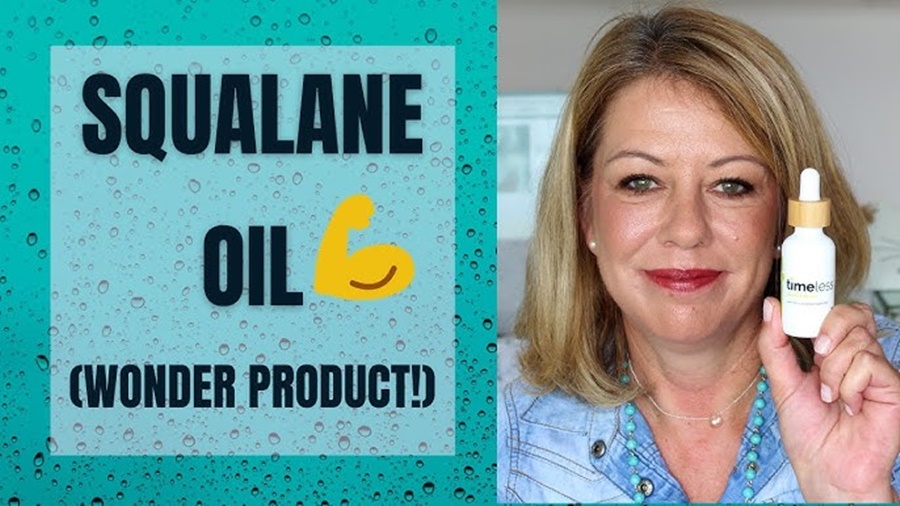
Two of the most popular skincare hydrators today are hyaluronic acid and squalane. Hydration is the foundation of healthy, glowing skin but not all hydrating ingredients work the same way. While both are excellent for improving skin moisture, they function very differently and suit different skin needs.
So which one is better for hydration? The real answer depends on your skin type, environment, and how you use them. Let’s break it down.
What Is Hyaluronic Acid?
Hyaluronic acid (HA) is a naturally occurring sugar molecule found in the skin, joints, and connective tissues. Its claim to fame is its incredible ability to attract and hold water up to 1,000 times its weight.
How Hyaluronic Acid Hydrates
Hyaluronic acid is a humectant, meaning it pulls water into the skin from the surrounding environment or deeper skin layers. This helps:
- Plump the skin
- Smooth fine lines caused by dehydration
- Improve skin elasticity
- Give a fresh, dewy appearance
Best For
- Dehydrated skin
- Oily or acne-prone skin
- Humid or moderate climates
- Lightweight, water-based routines
Potential Downsides
- In very dry climates, HA may draw moisture out of the skin if not sealed properly
- Works best when layered with a moisturizer or occlusive
What Is Squalane?
Squalane is a stable, hydrogenated form of squalene, a lipid naturally produced by our skin. Most modern squalane is derived from olives or sugarcane and is completely non-comedogenic.
How Squalane Hydrates
Squalane is an emollient, meaning it hydrates by:
- Softening and smoothing the skin
- Sealing in moisture
- Strengthening the skin barrier
- Reducing transepidermal water loss (TEWL)
Rather than adding water, it helps the skin retain the moisture it already has.
Best For
- Dry or mature skin
- Sensitive or compromised skin barriers
- Cold or dry climates
- Nighttime or richer skincare routines
Potential Downsides
- May feel too rich for very oily skin types (though it’s lighter than most oils)
- Does not hydrate on its own—needs water underneath
Hyaluronic Acid vs Squalane: Key Differences
| Feature | Hyaluronic Acid | Squalane |
|---|---|---|
| Ingredient Type | Humectant | Emollient |
| Primary Function | Attracts water | Locks in moisture |
| Texture | Lightweight, gel-like | Silky, oil-like |
| Best Climate | Humid | Dry |
| Skin Types | Oily, dehydrated | Dry, sensitive, mature |
| Hydration Method | Adds moisture | Prevents moisture loss |
Which Is Better for Hydration?
The truth is: neither is “better” on its own they’re best when used together.
- Hyaluronic acid hydrates the skin by drawing in water
- Squalane seals that hydration in and strengthens the skin barrier
Using HA without a moisturizer can lead to dryness, while using squalane on dry skin without water underneath limits its benefits.
How to Use Hyaluronic Acid and Squalane Together
For maximum hydration, layer them correctly:
- Cleanse your skin
- Apply hyaluronic acid to damp skin
- Follow with a moisturizer
- Seal everything in with squalane (especially at night)
This combination works like a hydration sandwich: water in, moisture locked down.
Choosing the Right One for Your Skin Type
Oily or Acne-Prone Skin
- Start with hyaluronic acid
- Use squalane sparingly or only at night
Dry or Mature Skin
- Use both, with an emphasis on squalane
- Ideal for repairing the skin barrier
Sensitive Skin
- Squalane is extremely gentle and barrier-friendly
- Look for low-molecular-weight HA to avoid irritation
Dehydrated but Oily Skin
- Hyaluronic acid is essential
- Add a light layer of squalane if skin feels tight
Cost Comparison and Product Maintenance
The price of hyaluronic acid and squalane can vary significantly. On average, hyaluronic acid serums range from $10 to $100, while squalane products usually cost between $15 and $60. Brands with high-quality formulations often command higher prices.
Maintaining the products is also essential. Store them in a cool, dry place, away from direct sunlight. Sealing bottles tightly prevents oxidation, especially for oils like squalane. Check expiration dates regularly to ensure effectiveness.
Invest in airtight containers where possible. This can prolong the shelf life and potency of your products. A little care pays off for achieving hydrated, healthy skin.
Who Should Use Each Product?
If you have oily skin, squalane is often the better choice. It provides moisture without clogging pores. However, if your skin is dry and dehydrated, opt for hyaluronic acid first to attract water.
For combination skin, using both can be beneficial. Start with hyaluronic acid for hydration, then seal in that moisture with squalane. This combination suits varied skin needs effectively.
Conclusion
When it comes to hydration, hyaluronic acid and squalane serve different but equally important roles. Hyaluronic acid excels at attracting and replenishing moisture within the skin, making it ideal for plumping and relieving dehydration. Squalane, on the other hand, focuses on locking in that moisture by strengthening the skin barrier and preventing water loss.
You can even consider advanced products like the Jet Blue Serum with 8 Types of Hyaluronic Acid for enhanced hydration.
Rather than choosing one over the other, the most effective approach is to use them together. Hyaluronic acid delivers hydration, while squalane ensures it stays where your skin needs it. By understanding how each ingredient works and matching them to your skin type and environment, you can achieve long-lasting, balanced hydration and healthier-looking skin overall.
Leave a Reply