
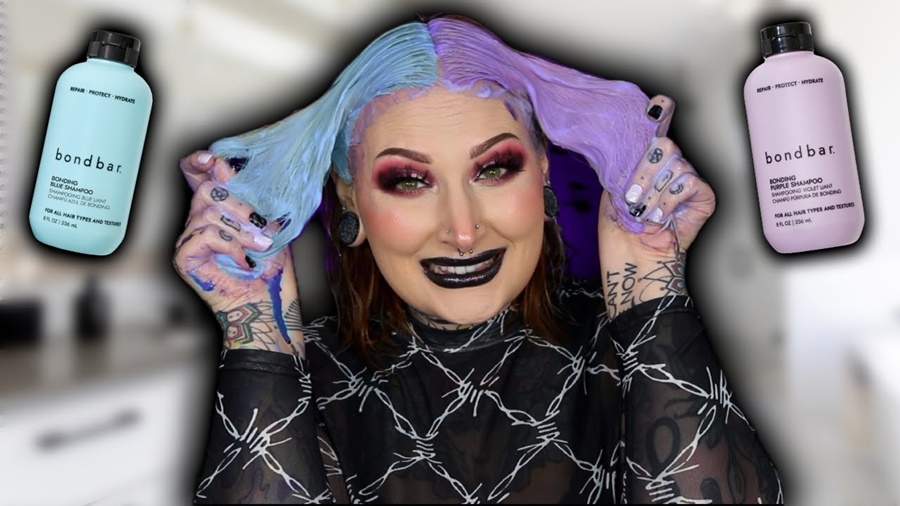
This is where toning shampoos come in. Hair color especially blonde, gray, silver, or lightened brunette often develops unwanted tones over time. Exposure to sunlight, minerals in water, pollution, and heat styling can cause brassiness or discoloration. Among the most popular options are purple shampoo and blue shampoo, both designed to neutralize unwanted hues and maintain vibrant hair color.
Although they may seem similar, purple and blue shampoos serve different purposes. Understanding how each one works will help you choose the right product for your hair color and achieve better results.
Understanding Hair Brassiness
Before comparing the two shampoos, it helps to understand why hair becomes brassy.
When hair is bleached or lightened, the darker pigments inside the hair strand are removed. However, the underlying warm pigments yellow, orange, or red often remain. Over time, these warm tones can become more noticeable due to:
- Sun exposure
- Hard water minerals
- Heat styling tools
- Product buildup
- Natural oxidation
Toning shampoos counteract these tones using color theory.
In the color wheel, opposite colors neutralize each other:
- Purple cancels yellow
- Blue cancels orange
This simple principle is the key difference between purple and blue shampoo.
What Is Purple Shampoo?
Purple shampoo contains violet pigments that neutralize yellow tones in the hair.
Who Should Use Purple Shampoo?
Purple shampoo works best for people with lighter hair shades, including:
- Blonde hair (natural or dyed)
- Platinum hair
- Silver or gray hair
- Highlighted or balayage hair
- Light pastel shades
When blonde hair starts looking yellow or dull, purple shampoo restores a cooler, brighter tone.
Benefits of Purple Shampoo
- Neutralizes Yellow Tones
The violet pigments balance out yellow discoloration in blonde or gray hair. - Maintains Cool Blonde Shades
It helps preserve icy, platinum, or ash-blonde tones between salon visits. - Enhances Brightness
Purple shampoo can make blonde hair appear brighter and fresher. - Reduces Salon Maintenance
Regular use keeps color looking fresh, meaning fewer toning treatments at the salon.
How to Use Purple Shampoo
- Use 1–2 times per week.
- Apply to wet hair and massage evenly.
- Leave it on for 2–5 minutes depending on the product.
- Rinse thoroughly and follow with conditioner.
Overusing purple shampoo can sometimes leave a slight lavender tint, especially on very light hair.
What Is Blue Shampoo?
Blue shampoo contains blue pigments that neutralize orange or brassy tones.
Who Should Use Blue Shampoo?
Blue shampoo is ideal for darker blonde or brunette hair, including:
- Light brown hair
- Dark blonde hair
- Bronde hair (blonde + brunette)
- Brunette hair with highlights
- Bleached brunettes
When darker hair is lightened, it often develops orange or copper tones instead of yellow. Blue shampoo helps correct this.
Benefits of Blue Shampoo
- Neutralizes Orange Brassiness
Blue pigment directly cancels orange undertones. - Maintains Cool Brunette Shades
Perfect for keeping ash-brown or cool-toned brunettes looking balanced. - Enhances Highlighted Brunettes
Helps maintain the color of balayage or caramel highlights. - Improves Overall Color Balance
It restores a more natural and polished look to color-treated hair.
How to Use Blue Shampoo
- Use 1–2 times per week.
- Apply to wet hair and distribute evenly.
- Leave it on for 3–5 minutes.
- Rinse well and follow with conditioner.
Like purple shampoo, excessive use may slightly tint very light hair.
Purple Shampoo vs. Blue Shampoo: Key Differences
| Feature | Purple Shampoo | Blue Shampoo |
|---|---|---|
| Main Purpose | Neutralizes yellow tones | Neutralizes orange tones |
| Best For | Blonde, platinum, gray hair | Brunette, dark blonde, bronde |
| Pigment Color | Violet/Purple | Blue |
| Tone Correction | Yellow brassiness | Orange brassiness |
| Typical Users | Blondes and silver hair | Brunettes with highlights |
In short:
- Blonde hair → Purple shampoo
- Brunette hair → Blue shampoo
Can You Use Both?
Yes, in some situations.
People with highlighted or balayage hair may experience both yellow and orange tones in different sections. In these cases:
- Use blue shampoo if the hair appears more orange.
- Use purple shampoo if the hair looks yellow.
However, using both in the same wash routine is usually unnecessary.
Tips for Getting the Best Results
To maximize the effectiveness of toning shampoos, follow these tips:
1. Don’t Use Daily
These shampoos are designed as treatments, not everyday cleansers.
2. Apply Evenly
Make sure the product is distributed evenly to avoid patchy toning.
3. Use Gloves if Needed
Highly pigmented formulas can stain hands temporarily.
4. Pair With Moisturizing Products
Some toning shampoos can be slightly drying, so follow with a nourishing conditioner or mask.
5. Adjust Frequency
If your hair starts looking dull or slightly tinted, reduce how often you use it.
Which One Should You Choose?
The right shampoo depends on your hair color and the type of brassiness you’re experiencing.
Choose purple shampoo if you have:
- Blonde hair
- Platinum or silver hair
- Gray hair
- Yellow discoloration
Choose blue shampoo if you have:
- Brown or brunette hair
- Dark blonde hair
- Orange or copper brassiness
- Highlighted brunettes
Selecting the correct toning shampoo can significantly improve the appearance of color-treated hair and help maintain salon-quality results at home. If you notice any unwanted discoloration, it’s essential to act quickly. For more information on fixing issues related to purple shampoo, visit fixing purple shampoo discoloration.
If that matters to you, our piece on medicated shampoo vs cosmetic shampoo goes further.
Conclusion
Purple shampoo and blue shampoo may look similar, but they solve different color problems. Purple shampoo targets yellow tones, making it ideal for blondes and gray hair, while blue shampoo fights orange tones, making it perfect for brunettes and darker blondes.
By understanding your hair’s undertones and using the right toning shampoo, you can keep your hair color vibrant, cool-toned, and fresh for longer without constant trips to the salon.
Leave a Reply