
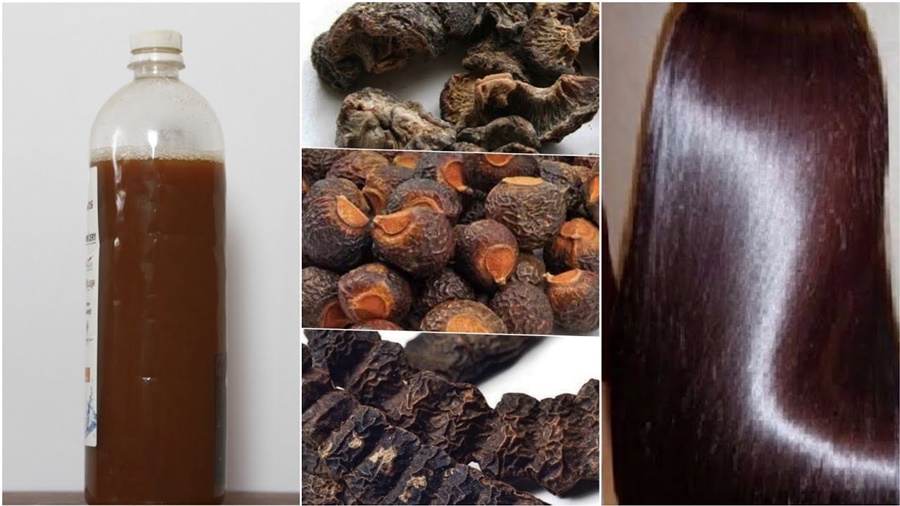
As a result, organic shampoos and natural shampoos have gained immense popularity. In recent years, consumers have become more conscious about what they apply to their hair and scalp. Many people assume that these two terms mean the same thing, but in reality, there are important differences between them.
Understanding these differences can help you make better choices for your hair health, the environment, and overall well-being.
This article explores the definitions, ingredients, benefits, and key differences between organic shampoo and natural shampoo.

What Is Organic Shampoo?
Organic shampoo is made from ingredients that are grown and processed without synthetic chemicals such as pesticides, herbicides, artificial fertilizers, or genetically modified organisms (GMOs). These ingredients usually come from farms that follow certified organic agricultural practices.
To be labeled organic, many shampoos must meet strict certification standards depending on the country. Certified organic products are regulated and must contain a certain percentage of organic ingredients.
Key Characteristics of Organic Shampoo
- Made with certified organic plant-based ingredients
- Free from synthetic pesticides and chemical fertilizers
- Often free from parabens, sulfates, silicones, and artificial fragrances
- Environmentally friendly and biodegradable
- Usually carries an organic certification label
Common Ingredients in Organic Shampoo
Organic shampoos typically contain ingredients such as:
- Organic aloe vera
- Organic coconut oil
- Organic argan oil
- Organic chamomile extract
- Organic tea tree oil
- Organic shea butter
These ingredients are known for nourishing the scalp and strengthening hair naturally.
What Is Natural Shampoo?
Natural shampoo is formulated using ingredients derived from nature, such as plants, minerals, and essential oils. However, unlike organic products, natural shampoos do not necessarily require certified organic ingredients.
A product labeled “natural” may still contain small amounts of synthetic ingredients for stability, fragrance, or preservation. Because the term “natural” is less regulated, manufacturers have more flexibility in how they use it.
Key Characteristics of Natural Shampoo
- Contains ingredients derived from natural sources
- May include plant extracts, herbal oils, or mineral-based components
- Not always certified organic
- Can still contain some synthetic additives
- Generally gentler than conventional chemical shampoos
Common Ingredients in Natural Shampoo
Natural shampoos may contain:
- Aloe vera
- Coconut oil
- Olive oil
- Lavender oil
- Green tea extract
- Herbal extracts such as rosemary or hibiscus
These ingredients help cleanse and moisturize the hair without harsh chemicals.
Key Differences Between Organic Shampoo and Natural Shampoo
Although both types aim to be healthier alternatives to traditional shampoos, there are several important differences.
1. Certification
Organic shampoos typically require official certification to verify that the ingredients are organically produced. Natural shampoos usually do not require such certification.
2. Ingredient Standards
Organic shampoos must follow strict guidelines regarding farming and ingredient processing. Natural shampoos simply use ingredients derived from natural sources, even if they are not organically grown.
3. Chemical Content
Organic shampoos usually avoid synthetic chemicals almost entirely. Natural shampoos may still contain small amounts of preservatives or synthetic compounds.
4. Transparency
Because of certification requirements, organic shampoos often provide greater transparency about ingredient sourcing. Natural shampoos may vary widely in formulation.
5. Price
Organic shampoos are often more expensive due to the cost of organic farming, certification, and ingredient sourcing. Natural shampoos can be more affordable.
Benefits of Organic Shampoo
Organic shampoo offers several advantages for hair and scalp health.
Healthier for the Scalp
Because organic shampoos avoid harsh chemicals, they are generally gentler on the scalp. This can reduce irritation, dryness, and allergic reactions.
Environmentally Friendly
Organic farming practices avoid harmful pesticides and fertilizers, which helps protect soil, water, and biodiversity.
Nutrient-Rich Ingredients
Organic ingredients often retain more natural nutrients, which can support stronger and healthier hair.
Reduced Chemical Exposure
Using organic shampoo can reduce your exposure to synthetic ingredients that may accumulate on the scalp or hair.
Benefits of Natural Shampoo
Natural shampoos also provide a variety of benefits.
Gentle Hair Care
Natural ingredients tend to be milder than synthetic detergents, making them suitable for sensitive scalps.
Better Moisture Balance
Many natural shampoos contain oils and botanical extracts that help maintain hair moisture and shine.
Accessible and Affordable
Compared with organic products, natural shampoos are often easier to find and more affordable.
Wide Variety of Options
Because natural shampoos are less strictly regulated, there are many formulations available for different hair types and concerns. For more information on types of shampoo and their formulations, check out this Wikipedia article on shampoo.
Potential Drawbacks of Organic and Natural Shampoos
While both types offer advantages, there are also some limitations.
Organic Shampoo Drawbacks
- Higher cost
- Shorter shelf life due to fewer preservatives
- May produce less foam because they avoid strong chemical detergents
Natural Shampoo Drawbacks
- “Natural” labeling can sometimes be misleading
- Some products may still contain synthetic chemicals
- Ingredient quality may vary between brands
How to Choose the Right Shampoo
When deciding between organic and natural shampoo, consider the following factors:
Check the Ingredient List
Always read the label carefully. Look for recognizable plant-based ingredients and avoid harsh chemicals if possible.
Look for Certifications
If you want guaranteed organic ingredients, choose products with official organic certification labels.
Consider Your Hair Type
Different shampoos work better for different hair types:
- Dry hair: look for moisturizing oils like argan or coconut
- Oily hair: tea tree or citrus extracts may help
- Sensitive scalp: gentle herbal ingredients such as chamomile or aloe
Evaluate Your Budget
Organic shampoos may be more expensive, so choose one that fits your long-term budget.

Organic vs Natural Shampoo: Which Is Better?
There is no single answer because the best choice depends on your priorities.
- If you want strict ingredient standards and minimal chemical exposure, organic shampoo may be the better option.
- If you want plant-based ingredients at a more affordable price, natural shampoo could be the right choice.
Both types are generally healthier alternatives to conventional shampoos that contain harsh synthetic chemicals.
Conclusion
Organic shampoo and natural shampoo are often confused, but they are not identical. Organic shampoos use certified organically grown ingredients and follow strict production standards, while natural shampoos simply contain ingredients derived from nature without necessarily meeting organic certification requirements.
Understanding these differences allows consumers to make informed decisions about their hair care products. Whether you choose organic or natural shampoo, selecting products with gentle, plant-based ingredients can help support healthier hair, a balanced scalp, and a more environmentally responsible lifestyle.
Leave a Reply