
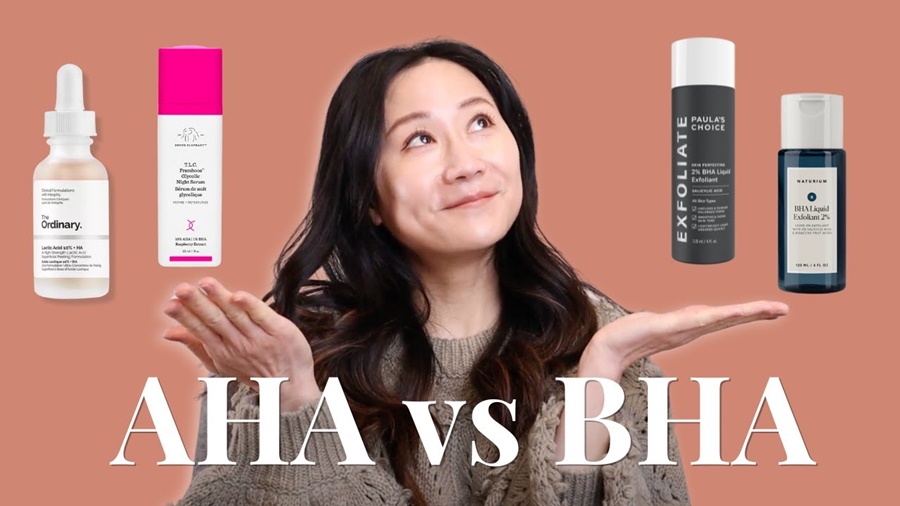
Exfoliation is a crucial step in any effective skincare routine. It removes dead skin cells, unclogs pores, and helps reveal smoother, brighter skin. Two of the most popular chemical exfoliants are AHAs (Alpha Hydroxy Acids) and BHAs (Beta Hydroxy Acids). Though they sound similar, these exfoliating acids work in different ways and are suited to different skin types and concerns.
This article explores what AHAs and BHAs are, how they work, their benefits, and how to choose the right one for your skin.
What Are AHAs?
Alpha Hydroxy Acids (AHAs) are water-soluble acids derived from fruits, milk, and sugar. They work primarily on the surface of the skin, helping to loosen and remove dead skin cells. AHAs are ideal for those who want to improve skin texture, tone, and hydration.
Common Types of AHAs
- Glycolic Acid: Derived from sugar cane; known for its small molecular size, which allows deep penetration and effective exfoliation.
- Lactic Acid: Derived from milk; gentler than glycolic acid and excellent for hydration and sensitive skin.
- Mandelic Acid: Derived from bitter almonds; mild and suitable for acne-prone or easily irritated skin.
- Citric Acid: Derived from citrus fruits; brightens the skin and helps balance pH.
Key Benefits of AHAs
- Promotes cell turnover, revealing fresher, younger-looking skin.
- Improves skin texture and radiance.
- Reduces the appearance of fine lines and hyperpigmentation.
- Enhances hydration by increasing natural moisture factors in the skin.
Best For
- Dry, dull, or sun-damaged skin.
- People looking to brighten and smooth their complexion.
What Are BHAs?
Beta Hydroxy Acids (BHAs) are oil-soluble acids that can penetrate deep into pores. The most common BHA is salicylic acid, derived from willow bark. Because BHAs can dissolve oil, they are particularly effective for acne-prone and oily skin types.
How BHAs Work
BHAs exfoliate the surface of the skin and also clear out excess sebum and debris within pores. This helps prevent blackheads, whiteheads, and acne breakouts. Additionally, BHAs have anti-inflammatory and antibacterial properties, which calm irritated or blemish-prone skin.
Key Benefits of BHAs
- Deeply cleans pores and controls oil production.
- Helps treat and prevent acne and blackheads.
- Reduces inflammation and redness.
- Improves skin clarity and smoothness over time.
Best For
- Oily or acne-prone skin.
- Those struggling with clogged pores, blackheads, or breakouts.
AHAs vs. BHAs: Key Differences
| Feature | AHAs | BHAs |
|---|---|---|
| Solubility | Water-soluble | Oil-soluble |
| Primary Action | Surface exfoliation | Deep pore cleansing |
| Best For | Dry, dull, or sun-damaged skin | Oily, acne-prone, or congested skin |
| Examples | Glycolic, lactic, mandelic acids | Salicylic acid |
| Additional Benefits | Hydration, brightening | Anti-inflammatory, antibacterial |
Can You Use AHAs and BHAs Together?
Yes but with care. Combining AHAs and BHAs can deliver powerful exfoliating benefits, targeting multiple skin concerns at once. However, overuse may cause irritation, dryness, or sensitivity.
Tips for Safe Use
- Start slowly: use one exfoliant 2–3 times a week.
- Introduce the second acid gradually.
- Always follow with moisturizer and sunscreen.
- Avoid using both in high concentrations at the same time unless your skin is accustomed to acids.
How to Incorporate Chemical Exfoliants into Your Routine
- Cleanse: Begin with a gentle, pH-balanced cleanser.
- Apply Exfoliant: Use an AHA or BHA product after cleansing. Leave-on toners or serums work best.
- Moisturize: Follow with a hydrating moisturizer to restore balance.
- Protect: Always apply sunscreen in the morning exfoliated skin is more sensitive to UV damage.
Conclusion
Both AHAs (Alpha Hydroxy Acids) and BHAs (Beta Hydroxy Acids) are effective chemical exfoliants, but they serve slightly different purposes depending on skin type and concerns. AHAs, being water-soluble, work best for dry or sun-damaged skin as they gently remove dead skin cells from the surface, improving texture and brightness. BHAs, on the other hand, are oil-soluble and penetrate deeper into pores, making them ideal for oily and acne-prone skin by reducing blackheads, breakouts, and excess sebum. Ultimately, choosing between AHAs and BHAs or using a combination of both depends on individual skin needs and tolerance, with consistent and careful use leading to smoother, clearer, and healthier-looking skin.
Leave a Reply