
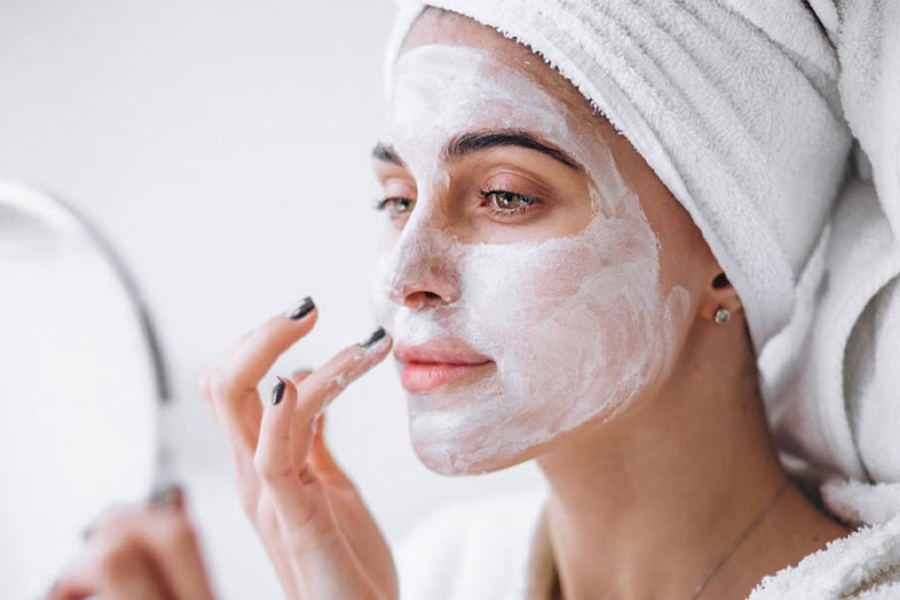
Glowing skin is often seen as a sign of good health and proper self-care. While genetics play a role, your daily skincare routine can make a significant difference. Whether you have dry, oily, combination, or sensitive skin, a well-thought-out routine can bring out your natural glow. Here’s a complete guide to help you achieve radiant, healthy skin.
1. Understand Your Skin Type
Before diving into products and steps, it’s crucial to understand your skin type. This determines the kind of ingredients and products that will work best for you.
- Dry skin: Feels tight, may flake or itch
- Oily skin: Shiny, prone to acne and blackheads
- Combination skin: Oily in the T-zone (forehead, nose, chin) but dry on the cheeks
- Sensitive skin: Reacts easily to products, often red or irritated
- Normal skin: Balanced, not too oily or dry
2. Morning Skincare Routine
Step 1: Cleanser
Start your day with a gentle cleanser to remove sweat, oil, and overnight product residue. Choose a sulfate-free formula to avoid stripping the skin.
Best ingredients:
- Dry skin: Creamy cleansers with ceramides
- Oily skin: Gel cleansers with salicylic acid
- Sensitive skin: Fragrance-free, hypoallergenic formulas
Step 2: Toner (Optional)
Toners can refresh your skin and balance pH levels. Choose alcohol-free versions with hydrating or soothing ingredients.
Recommended ingredients:
- Rose water, green tea, or witch hazel (for oily/combination skin)
- Hyaluronic acid or aloe vera (for dry/sensitive skin)
Step 3: Serum
Serums are concentrated formulas that address specific skin concerns.
For glowing skin, use:
- Vitamin C serum: Brightens skin and reduces pigmentation
- Niacinamide: Improves texture and reduces dullness
- Hyaluronic acid: Hydrates and plumps the skin
Step 4: Moisturizer
Hydrated skin = glowing skin. Never skip moisturizer, even if your skin is oily.
Tips:
- Use gel-based moisturizers for oily skin
- Choose cream-based ones for dry skin
- Look for ingredients like ceramides, glycerin, and squalane
Step 5: Sunscreen (SPF 30 or higher)
Sunscreen is the most important step. It protects against UV rays, which can dull the skin and cause premature aging.
Choose:
- Mineral sunscreens for sensitive skin
- Non-comedogenic (won’t clog pores) formulas for acne-prone skin
3. Night Skincare Routine
Step 1: Double Cleansing (if wearing makeup or SPF)
Start with an oil-based cleanser or micellar water to remove makeup and sunscreen, followed by your regular cleanser.
Step 2: Toner or Essence
Toners help prepare the skin for better absorption of serums. Essences hydrate and support skin repair.
Step 3: Treatment Serums
Nighttime is ideal for treatments, as the skin repairs itself during sleep.
For glowing skin, try:
- Retinol: Boosts cell turnover (start slow, 1-2x per week)
- AHAs/BHAs: Gently exfoliate to reveal brighter skin
- Peptides: Help with firmness and elasticity
Step 4: Moisturizer or Night Cream
Use a thicker moisturizer or sleeping mask to lock in all the previous layers.
Step 5: Eye Cream (Optional)
If you have dark circles or puffiness, a gentle eye cream with caffeine or peptides can help.
4. Weekly Additions for Extra Glow
Exfoliation (1–2 times a week)
Helps remove dead skin cells and reveals fresher skin underneath.
Choose:
- Physical exfoliants: Scrubs (gentle ones with fine particles)
- Chemical exfoliants: AHAs like glycolic acid, lactic acid (more effective and less abrasive)
Face Masks
Use a face mask 1–2 times a week depending on your skin’s needs.
Options:
- Hydrating masks (with honey, aloe, hyaluronic acid)
- Clay masks (for oily and acne-prone skin)
- Brightening masks (with vitamin C, turmeric, or pearl extract)
5. Lifestyle Tips for Naturally Glowing Skin
Skincare products can only do so much if your lifestyle doesn’t support skin health.
- Stay hydrated: Drink at least 2 liters of water a day
- Eat a balanced diet: Include fruits, vegetables, healthy fats, and proteins
- Get enough sleep: 7–9 hours per night for optimal skin regeneration
- Exercise regularly: Improves blood circulation and delivers nutrients to skin cells
- Limit sugar and processed foods: They can trigger inflammation and breakouts
- Avoid smoking and excessive alcohol: Both age the skin and cause dullness
- Manage stress: Chronic stress can lead to breakouts and dull skin
6. Common Skincare Mistakes to Avoid
- Over-washing or using harsh products
- Skipping sunscreen (even on cloudy days)
- Using too many active ingredients at once
- Not patch testing new products
- Sleeping with makeup on
Conclusion
Glowing skin doesn’t happen overnight. It takes consistency, patience, and a skincare routine tailored to your unique skin type and needs. Don’t be swayed by trends stick to what works for you, and give your products time (usually 4–6 weeks) to show results.
Leave a Reply