
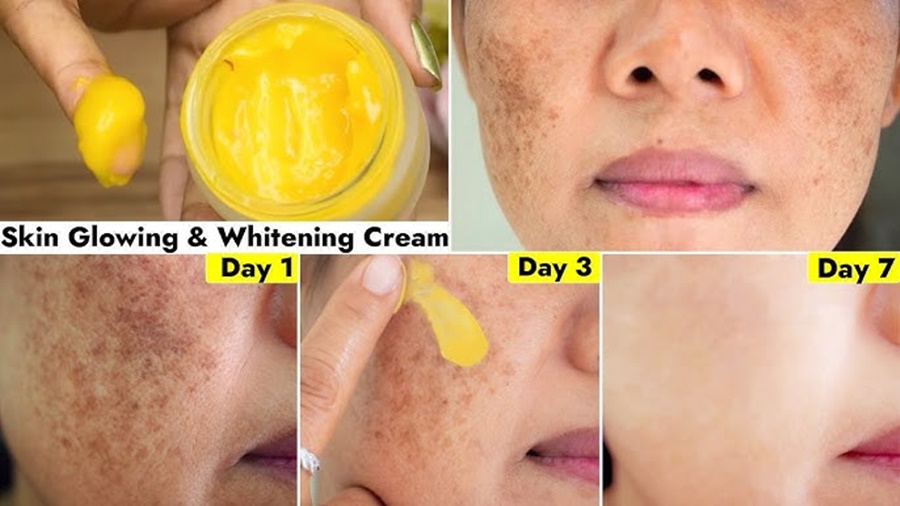
Dark spots also known as hyperpigmentation are a common skin concern caused by sun exposure, acne scarring, aging, hormonal changes, and inflammation. Many people wonder whether a simple face cream can help fade these marks. The short answer: yes, certain face creams can reduce dark spots, but their effectiveness depends on the active ingredients, skin type, consistency of use, and underlying cause of the pigmentation.
This article explains how face creams work, which ingredients are most effective, and what to expect when using them.
What Causes Dark Spots?
Before understanding how face creams help, it’s important to know what causes dark spots. The main triggers include:
- Excess melanin production (melanin gives color to the skin)
- Sun exposure
- Acne and inflammation
- Hormonal changes (e.g., pregnancy, birth control pills)
- Skin injury or irritation
- Aging and genetics
Face creams target dark spots primarily by reducing or regulating melanin production.
How Face Creams Reduce Dark Spots
Certain face creams contain active ingredients that work in different ways:
1. Inhibiting Melanin Production
Some ingredients reduce the activity of tyrosinase, the enzyme involved in melanin formation. These include:
- Vitamin C
- Niacinamide
- Kojic acid
- Licorice extract
- Arbutin
These ingredients help prevent new dark spots and gradually lighten existing ones.
2. Exfoliating Dead Skin Cells
Exfoliating ingredients speed up skin cell turnover, helping dark spots fade faster:
- AHA (glycolic acid, lactic acid)
- BHA (salicylic acid)
These help remove the outer layer of pigmented skin.
3. Promoting Skin Regeneration
Some ingredients stimulate collagen and repair:
- Retinoids (retinol, adapalene)
- Peptides
With continuous use, the skin becomes more even-toned.
4. Protecting the Skin
Many dark spot creams include antioxidants that prevent further damage:
- Vitamin E
- Green tea extract
While these don’t fade spots directly, they prevent new ones from forming.
Most Effective Ingredients for Dark Spot Correction
Here are the ingredients backed by dermatology research:
Vitamin C
Brightens skin, reduces melanin production, fights sun damage.
Niacinamide
Reduces pigmentation, strengthens the skin barrier, minimizes inflammation.
Retinoids
Speed up cell turnover and lighten dark spots over time.
Hydroquinone (strong and often prescription-based)
Directly lightens pigmentation; very effective but must be used carefully.
Kojic Acid
Popular natural skin-lightening agent used in many brightening creams.
Alpha Arbutin
Gentle but effective for stubborn hyperpigmentation.
AHAs & BHAs
Great for exfoliating pigmented surface layers.
How Long Does It Take for Face Cream to Work?
The timeline varies depending on the ingredient and the severity of the dark spots:
- Mild dark spots: 4–6 weeks
- Moderate hyperpigmentation: 8–12 weeks
- Stubborn melasma or deep pigmentation: 3–6 months
Consistency is key. Daily use, combined with sun protection, delivers the best results.
The Importance of Sunscreen for Dark Spot Treatment
Even the best face cream won’t work if the skin is exposed to UV rays.
Sunlight triggers melanin production, worsening dark spots.
Using SPF 30–50 daily is essential to prevent pigmentation from returning.
Who Should Use Dark Spot Correcting Creams?
Face creams are suitable for:
- People with mild to moderate dark spots
- Acne-related pigmentation
- Sunspots
- Aging-related discoloration
- Uneven or patchy tone
For severe pigmentation (like melasma), a dermatologist may recommend stronger treatments such as:
- Chemical peels
- Laser therapy
- Prescription creams
Possible Side Effects
Some active ingredients especially retinoids, acids, and hydroquinone may cause:
- Redness
- Dryness
- Irritation
- Peeling
Always start gradually and perform a patch test.
Conclusion
Face creams can effectively reduce dark spots, but only if they contain proven active ingredients such as vitamin C, niacinamide, retinol, AHAs, kojic acid, or arbutin. They work by reducing melanin production, exfoliating dead skin, and boosting cell turnover. Results require patience typically 4 to 12 weeks and must be supported with daily sunscreen use to prevent relapse.
In summary, yes, face creams can reduce dark spots, but the right ingredients, consistent use, and proper sun protection are essential for visible, long-lasting results.
Leave a Reply