
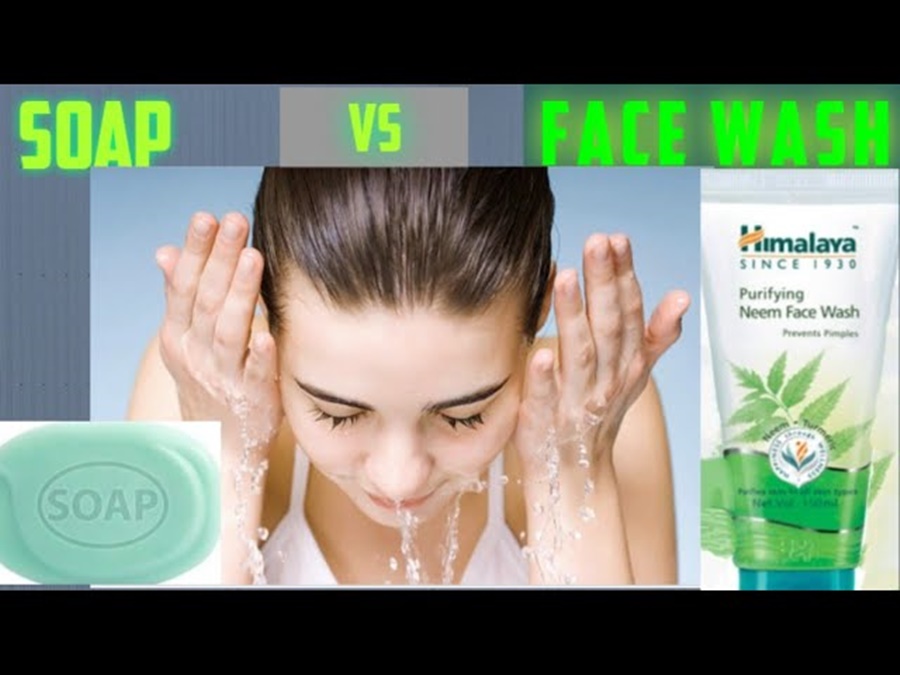
Many people use either face wash or soap as part of their daily skincare routine, but they often wonder which option is better. Keeping your skin clean is one of the most important steps in maintaining healthy skin. While both products are designed to remove dirt, oil, and impurities, they are not the same.
Understanding the differences between face wash and soap can help you choose the right product for your skin type and needs.

What Is Face Wash?
Face wash is a skincare product specifically formulated for facial skin. The skin on the face is more delicate and sensitive than the skin on the rest of the body. Face washes are designed to cleanse the skin gently without stripping away essential moisture.
Most face washes contain ingredients that help remove excess oil, dirt, makeup, and pollutants while maintaining the skin’s natural balance. They are available in various forms, including gels, creams, foams, and liquids.
Benefits of Face Wash
- Gentle on facial skin
- Maintains the skin’s natural moisture
- Available for different skin types
- Helps control acne and excess oil
- Removes makeup and impurities effectively
- Reduces the risk of dryness and irritation
What Is Soap?
Soap is a traditional cleansing product made from fats or oils combined with an alkaline substance. It is commonly used for cleaning the body, hands, and sometimes the face.
While soap effectively removes dirt and bacteria, many traditional soaps have a higher pH level than the skin. This can disrupt the skin’s natural protective barrier and lead to dryness, irritation, or tightness, especially when used on the face.
Benefits of Soap
- Affordable and widely available
- Effective at removing dirt and germs
- Long-lasting and easy to use
- Suitable for body cleansing
- Available in various formulations
Key Differences Between Face Wash and Soap
1. pH Level
The skin naturally has a slightly acidic pH, typically around 4.5 to 5.5. Face washes are usually formulated to match this pH range, helping maintain healthy skin.
Traditional soaps often have a higher alkaline pH, which can strip away natural oils and disturb the skin barrier.
2. Moisture Retention
Face washes are designed to cleanse while preserving moisture. Many contain hydrating ingredients such as glycerin, hyaluronic acid, or aloe vera.
Soap can remove moisture along with dirt and oil, leaving the skin feeling dry and tight.
3. Skin Sensitivity
People with sensitive skin often tolerate face washes better because they contain gentler cleansing agents.
Soap may cause redness, itching, or irritation in individuals with sensitive skin.
4. Targeted Formulations
Face washes are available for specific skin concerns, including:
- Acne-prone skin
- Oily skin
- Dry skin
- Combination skin
- Sensitive skin
- Aging skin
Most regular soaps are not specifically formulated for facial skincare concerns.
5. Cleansing Performance
Face washes can effectively remove makeup, sunscreen, and excess oil without damaging the skin barrier.
Soap cleans well but may not be as effective for removing certain skincare products or makeup residues.
Which Is Better for Oily Skin?
People with oily skin often benefit more from face washes formulated with ingredients such as salicylic acid, tea tree oil, or niacinamide. These ingredients help control oil production and prevent clogged pores.
Using harsh soap on oily skin can sometimes trigger the skin to produce even more oil to compensate for moisture loss.
Which Is Better for Dry Skin?
Face wash is generally the better choice for dry skin because it helps preserve moisture. Cream-based or hydrating face washes can cleanse the skin without causing excessive dryness.
Traditional soap may worsen dryness and lead to flaking, roughness, and discomfort.
Which Is Better for Acne-Prone Skin?
Face washes designed for acne-prone skin often contain active ingredients that help reduce breakouts and inflammation. These specialized formulas can target acne while maintaining skin health.
Regular soap may not provide the same benefits and can sometimes irritate acne-prone skin.
Can Soap Be Used on the Face?
Yes, some mild soaps can be used on the face. However, not all soaps are suitable for facial skin. If you choose to use soap, look for products labeled as gentle, moisturizing, or specifically formulated for facial use.
Avoid harsh soaps that contain strong fragrances, alcohol, or excessive detergents, as they may damage the skin barrier.

How to Choose the Right Cleanser
When selecting a cleansing product, consider your skin type:
For Oily Skin
Choose a gel or foam face wash that helps control excess oil.
For Dry Skin
Choose a cream-based or hydrating face wash with moisturizing ingredients.
For Sensitive Skin
Use fragrance-free and hypoallergenic face washes.
For Combination Skin
Choose a balanced formula that cleanses without over-drying.
For Acne-Prone Skin
Look for face washes containing salicylic acid or benzoyl peroxide.
Conclusion
Both face wash and soap can clean the skin, but face wash is generally the better option for facial care. It is specifically formulated to protect the skin’s natural barrier, maintain moisture, and address different skin concerns. While soap remains effective for body cleansing and hand washing, using a suitable face wash can help keep facial skin healthier, softer, and more balanced.
Choosing the right cleanser based on Face Wash vs Soap is the key to achieving clean and healthy skin.
Leave a Reply