
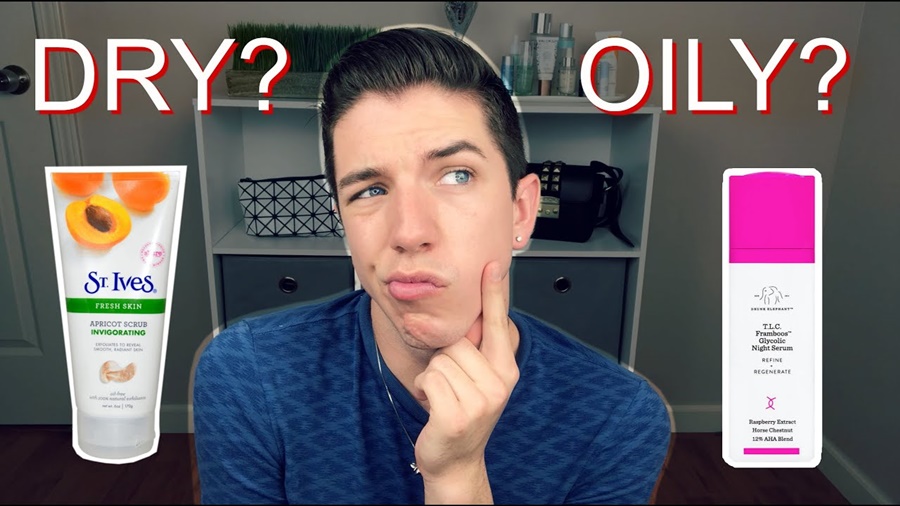
Exfoliation is a vital step in any skincare routine. It removes dead skin cells, unclogs pores, and helps reveal a smoother, brighter complexion. However, not all exfoliation methods suit every skin type. Using the wrong technique or product can lead to irritation, dryness, or breakouts. The key to effective exfoliation is tailoring it to your skin’s unique needs.
Here’s how to exfoliate properly based on your skin type whether it’s oily, dry, or combination.
1. Exfoliating Oily Skin
Why It Matters
Oily skin tends to produce excess sebum, leading to clogged pores, blackheads, and acne. Regular exfoliation helps remove the buildup of oil and dead cells that can trap bacteria.
Best Types of Exfoliants
- Chemical exfoliants: Look for products containing salicylic acid (BHA) or glycolic acid (AHA).
- Salicylic acid penetrates deep into pores to dissolve excess oil and prevent breakouts.
- Glycolic acid helps improve texture and even skin tone.
- Physical exfoliants: Choose gentle scrubs with fine particles such as rice powder or jojoba beads harsh scrubs can cause microtears and worsen oil production.
How Often to Exfoliate
Exfoliate 2–3 times a week to keep pores clear without stripping natural moisture.
Pro Tips
- Use oil-free moisturizers afterward to balance hydration.
- Avoid over-exfoliating; this can trigger the skin to produce even more oil.
2. Exfoliating Dry Skin
Why It Matters
Dry skin often feels rough, flaky, or tight because it lacks moisture and has a weak barrier function. Gentle exfoliation removes dead skin buildup and allows moisturizers to absorb better.
Best Types of Exfoliants
- Chemical exfoliants: Choose mild lactic acid (AHA) or mandelic acid, which not only exfoliate but also hydrate.
- Enzyme exfoliants: Derived from fruits like papaya or pineapple, enzymes dissolve dead skin cells gently without irritation.
- Avoid harsh scrubs they can worsen dryness and sensitivity.
How Often to Exfoliate
Limit exfoliation to once a week to prevent over-drying.
Pro Tips
- Always follow with a rich moisturizer or facial oil to lock in hydration.
- Exfoliate at night to allow your skin to recover while you sleep.
3. Exfoliating Combination Skin
Why It Matters
Combination skin can be tricky the T-zone (forehead, nose, and chin) is oily, while the cheeks are dry or normal. The goal is to balance both areas without over-treating either one.
Best Types of Exfoliants
- Chemical exfoliants: Use a blend of AHAs and BHAs to target both dry and oily zones effectively.
- Multi-masking method: Apply different exfoliants to different parts of your face (for example, salicylic acid on the T-zone and lactic acid on the cheeks).
- Gentle physical scrubs can also be used occasionally, but avoid harsh grains.
How Often to Exfoliate
Exfoliate 1–2 times per week, adjusting based on how your skin reacts.
Pro Tips
- Focus more on oily areas and be gentle on dry parts.
- Always use a light, hydrating moisturizer after exfoliating to balance the skin.
4. General Exfoliation Tips for All Skin Types
- Patch test new exfoliants before applying them to your entire face.
- Avoid mixing multiple exfoliants (like scrubs and acids) in one routine this can lead to irritation.
- Use sunscreen daily. Exfoliation makes your skin more sensitive to the sun’s UV rays.
- Adjust frequency based on weather and skin changes exfoliate less during colder months when skin tends to be drier.
Conclusion
Exfoliation can transform your skin when done correctly. The key is moderation and choosing the right products for your skin type. Whether you have oily, dry, or combination skin, a personalized exfoliation routine will help you maintain a radiant, smooth, and healthy complexion.
Leave a Reply