
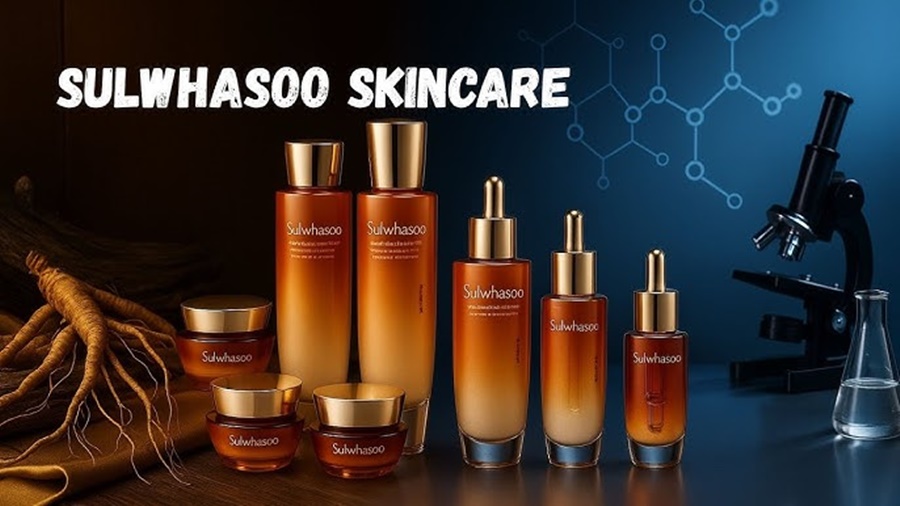
Skincare routines can feel confusing, especially when products seem similar. One of the most common questions is: What’s the difference between a serum and an essence, and which one works better?
The truth is, neither is “better” for everyone it depends on your skin type, concerns, and routine. This article breaks it all down clearly so you can decide what works best for you.
What Is an Essence?
An essence is a lightweight, water-based skincare product that originated in Korean beauty routines. It sits between toner and serum in a skincare routine.
Key Characteristics of an Essence
- Thin, watery texture
- Absorbs quickly
- Focuses on hydration and skin prep
- Often contains fermented ingredients, humectants, and soothing agents
What Does an Essence Do?
Essences are designed to:
- Deeply hydrate the skin
- Improve skin texture
- Help your skin absorb the products that follow
- Support overall skin health over time
Think of an essence as a hydration booster and primer for your skin.
What Is a Serum?
A serum is a more concentrated treatment product designed to target specific skin concerns.
Key Characteristics of a Serum
- Thicker than an essence but lighter than a cream
- Highly concentrated active ingredients
- Used in small amounts
What Does a Serum Do?
Serums are made to address specific issues such as:
- Acne
- Dark spots and hyperpigmentation
- Fine lines and wrinkles
- Dehydration
- Dull or uneven skin tone
Examples of common serum ingredients include vitamin C, niacinamide, hyaluronic acid, retinol, and peptides.
Serum vs. Essence: Key Differences
| Feature | Essence | Serum |
|---|---|---|
| Texture | Very light, watery | Light to medium thickness |
| Main Purpose | Hydration & skin prep | Targeted treatment |
| Concentration | Lower | Higher |
| Skin Concerns | Dryness, dullness | Acne, aging, pigmentation |
| Layering | Applied before serum | Applied after essence |
Which One Works Better?
The Short Answer
Neither is better on its own—they serve different purposes.
When an Essence Works Better
An essence may be the better choice if:
- Your skin feels dehydrated or tight
- You want a simple, gentle routine
- You have sensitive or reactive skin
- You’re new to skincare and want to start light
Essences are great for building long-term skin health and maintaining hydration.
When a Serum Works Better
A serum is more effective if:
- You have specific skin concerns (acne, dark spots, aging)
- You want visible results faster
- Your skincare routine is already well-established
Serums deliver powerful ingredients directly into the skin.
Can You Use Both Together?
Yes—and this is often the best option.
Using both allows you to:
- Hydrate and prep the skin with an essence
- Treat specific concerns with a serum
This combination can improve absorption and overall results.
Correct Order of Application
- Cleanser
- Toner
- Essence
- Serum
- Moisturizer
- Sunscreen (morning)
Choosing Based on Skin Type
Dry Skin
- Essence for hydration
- Serum with hyaluronic acid or ceramides
Oily or Acne-Prone Skin
- Lightweight essence
- Serum with niacinamide or salicylic acid
Sensitive Skin
- Gentle, fragrance-free essence
- Minimal, soothing serum
Aging or Mature Skin
- Hydrating essence
- Anti-aging serum with peptides or retinol (used carefully)
Conclusion
When it comes to serum vs. essence, there is no single winner. Each product plays a unique role in skincare. Essences focus on hydration, skin balance, and preparing the skin to better absorb other products, while serums deliver concentrated active ingredients to target specific concerns like acne, pigmentation, or aging.
If your goal is overall skin health and moisture, an essence may be enough. If you are looking for visible improvements or solutions to particular skin issues, a serum will be more effective. For the best results, using both together can enhance your routine by combining hydration with targeted treatment.
Leave a Reply