
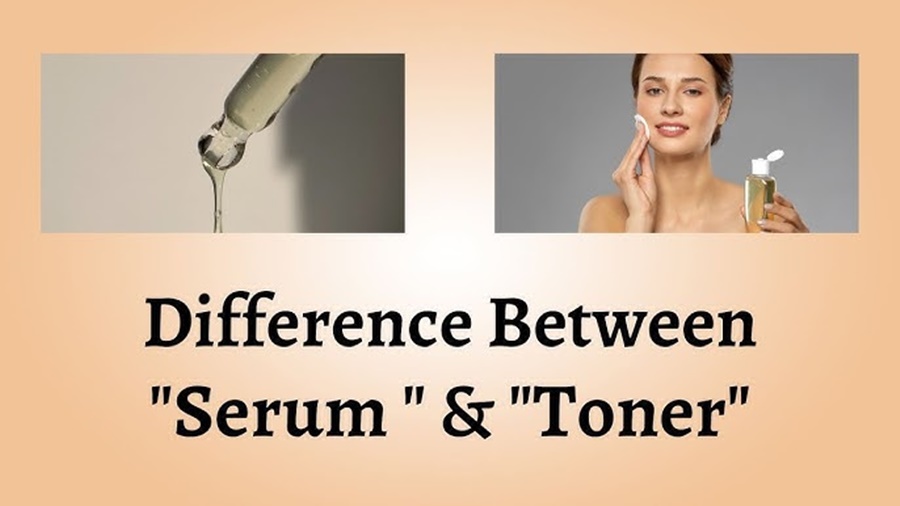
In the world of skincare, serums and toners are often confused or used interchangeably. While both play important roles in a skincare routine, they serve very different purposes, have different formulations, and are applied at different stages. Understanding these differences can help you choose the right products for your skin type and concerns.
What Is a Toner?
A toner is a lightweight liquid skincare product used after cleansing and before serums or moisturizers. Its main job is to prepare the skin for the rest of your routine.
Key Functions of a Toner
- Removes leftover dirt, oil, or cleanser residue
- Balances the skin’s pH level after cleansing
- Lightly hydrates and refreshes the skin
- Helps other products absorb more effectively
Common Ingredients in Toners
- Rose water
- Witch hazel
- Glycerin
- Aloe vera
- Mild acids (like glycolic or lactic acid, in gentle formulas)
Texture and Feel
Toners are usually water-like and absorb quickly without feeling heavy or sticky.
What Is a Serum?
A serum is a concentrated skincare treatment designed to target specific skin concerns such as acne, dullness, dryness, or uneven tone.
Key Functions of a Serum
- Delivers active ingredients deep into the skin
- Treats specific concerns (hydration, brightening, calming, etc.)
- Improves overall skin texture and appearance over time
Common Ingredients in Serums
- Hyaluronic acid
- Vitamin C
- Niacinamide
- Peptides
- Ceramides
Texture and Feel
Serums are usually thicker than toners but lighter than moisturizers. They can feel gel-like, silky, or slightly oily depending on the formula.
Serum vs Toner: Main Differences
| Feature | Toner | Serum |
|---|---|---|
| Purpose | Prepares skin | Treats skin concerns |
| Texture | Watery, lightweight | Thicker, concentrated |
| When to Use | After cleansing | After toner |
| Ingredient Strength | Mild | Highly concentrated |
| Targeted Treatment | No (general prep) | Yes (specific concerns) |
How They Work Together
Toners and serums are not substitutes for each other they work best when used together.
- Cleanser – Cleans the skin
- Toner – Preps and balances
- Serum – Treats specific concerns
- Moisturizer – Locks in hydration
Using a toner first helps your serum penetrate more effectively, making your routine more efficient.
Do You Need Both?
- If you want a simple routine, you can skip toner and still benefit from a serum.
- If you want better absorption and hydration, using both can improve results.
- People with dry or sensitive skin often benefit from hydrating toners.
- Those targeting specific concerns (like dullness or uneven texture) will benefit most from serums.
Choosing the Right Products for Your Skin
For Oily or Acne-Prone Skin
- Toner: Oil-controlling or soothing toner
- Serum: Lightweight, non-greasy formula
For Dry Skin
- Toner: Hydrating, alcohol-free toner
- Serum: Deeply hydrating serum
For Combination Skin
- Toner: Balancing toner
- Serum: Multi-benefit or targeted serum
Conclusion
While both serums and toners are essential skincare products, they serve distinct roles. A toner prepares and balances the skin, while a serum delivers powerful ingredients to address specific concerns. Understanding how and when to use each can help you build a more effective skincare routine and get better results over time.
Leave a Reply