
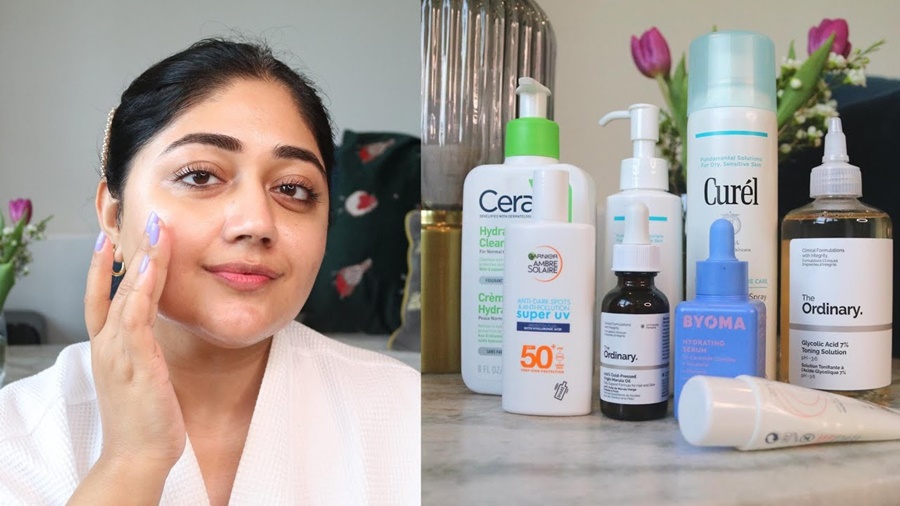
Dry skin can be uncomfortable, tight, and flaky and if not properly cared for, it can lead to irritation, redness, and premature aging. Whether your skin is naturally dry or affected by environmental factors, a targeted skincare routine can help restore moisture and improve overall skin health. In this article, we’ll explore essential skincare tips for dry skin, from cleansing to moisturizing and everything in between.
1. Understand the Causes of Dry Skin
Before you revamp your skincare routine, it helps to understand what might be causing your dry skin. Common factors include:
- Weather changes, especially cold or dry air
- Hot showers or over-cleansing
- Harsh soaps or skincare products
- Aging, as the skin produces less oil over time
- Medical conditions like eczema or psoriasis
- Dehydration from within the body
Knowing the root cause can help you tailor your skincare approach more effectively.
2. Choose a Gentle, Hydrating Cleanser
Avoid harsh cleansers that strip your skin of natural oils. Instead, opt for:
- Cream-based or oil-based cleansers
- Fragrance-free and alcohol-free formulas
- Products labeled “hydrating,” “gentle,” or “for dry/sensitive skin”
Recommended Ingredients:
- Glycerin
- Hyaluronic Acid
- Ceramides
- Aloe Vera
Tip: Only cleanse twice a day (morning and night). Overwashing can worsen dryness.
3. Exfoliate Wisely – But Don’t Overdo It
Exfoliating removes dead skin cells and helps your moisturizer absorb better, but doing it too often can damage your skin barrier.
Best practices:
- Limit exfoliation to 1–2 times per week
- Choose gentle exfoliants, such as lactic acid or enzyme-based formulas
- Avoid rough physical scrubs, especially with sharp particles
Note: If your skin feels irritated or tight after exfoliating, give it a break and focus on hydration.
4. Hydrate Immediately After Cleansing
Your skin is most receptive to moisture right after cleansing. This is the perfect time to lock in hydration.
How to layer hydration:
- Apply a hydrating toner or essence (optional but beneficial)
- Use a serum with hyaluronic acid or glycerin
- Follow with a rich moisturizer while your skin is still slightly damp
5. Use a Rich, Nourishing Moisturizer
Dry skin needs more than just hydration it also needs emollients and occlusives to seal in moisture and repair the skin barrier.
Look for moisturizers containing:
- Shea Butter
- Squalane
- Ceramides
- Niacinamide
- Petrolatum or mineral oil (especially for very dry skin)
Tip: Use a thicker cream at night for extra nourishment while you sleep.
6. Incorporate Facial Oils (Optional but Effective)
Facial oils can provide an extra layer of protection and help strengthen the skin’s natural barrier.
Best facial oils for dry skin:
- Rosehip oil
- Argan oil
- Marula oil
- Jojoba oil
You can mix a few drops into your moisturizer or apply as the final step in your routine.
7. Protect Your Skin with SPF Daily
Dry skin is still vulnerable to sun damage, which can worsen dehydration and accelerate aging.
- Choose a broad-spectrum SPF 30 or higher
- Prefer formulas with added moisturizers for extra hydration
- Reapply every 2 hours if outdoors
8. Adjust Your Environment
Sometimes, dry skin isn’t just about what you put on your face—it’s about your surroundings too.
Tips:
- Use a humidifier, especially in winter or dry climates
- Avoid overheating your room
- Drink plenty of water to hydrate from within
9. Avoid These Common Dry Skin Mistakes
- Skipping moisturizer after cleansing
- Using foaming cleansers or bar soaps
- Taking long, hot showers
- Not applying SPF
- Ignoring dry patches instead of treating them
10. When to See a Dermatologist
If your dry skin is persistent, painful, or accompanied by redness and itching, it might be a sign of a medical condition like eczema, psoriasis, or an allergic reaction.
A dermatologist can:
- Recommend prescription creams
- Help identify irritants or allergies
- Provide tailored skincare recommendations
Conclusion
Dry skin doesn’t have to be a constant struggle. With the right skincare routine and products, you can restore softness, smoothness, and hydration to your skin. Focus on gentle cleansing, consistent moisturizing, and protecting your skin barrier. Remember: consistency is key—your skin needs daily care, not just occasional treatment.
Leave a Reply