
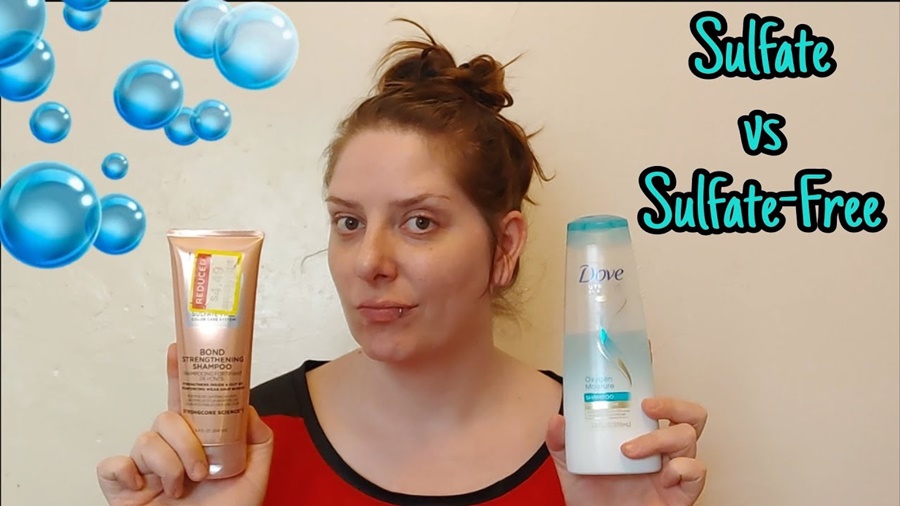
When choosing a shampoo, one of the most common questions people ask is: Should I use sulfate-free shampoo or regular shampoo? The answer depends on your hair type, scalp condition, lifestyle, and personal preferences.
In this comprehensive guide, we’ll break down the differences, benefits, drawbacks, and who should use each type.
What Are Sulfates?
Sulfates are cleansing agents (surfactants) used in many shampoos to remove dirt, oil, and product buildup from the hair and scalp. The most common types include:
- Sodium Lauryl Sulfate (SLS)
- Sodium Laureth Sulfate (SLES)
They are responsible for the rich, foamy lather many people associate with a “deep clean.”
What Is Regular Shampoo?
Regular shampoo typically contains sulfates as the primary cleansing ingredient.
How It Works
Sulfates attract oil and water at the same time. This allows them to lift dirt and oil away from your hair so it can be rinsed out easily.
Benefits of Regular Shampoo
- Deep Cleansing
Very effective at removing heavy oil, sweat, and styling product buildup. - Rich Lather
Produces a satisfying foam that many users prefer. - Affordable and Widely Available
Often less expensive than sulfate-free alternatives. - Good for Oily Hair
Especially helpful for people with very oily scalps.
Drawbacks of Regular Shampoo
- Can Be Drying
May strip natural oils from the hair and scalp. - May Cause Irritation
Some people with sensitive skin experience dryness, itching, or redness. - Can Fade Hair Color Faster
Strong cleansing action may cause color-treated hair to lose vibrancy more quickly.
What Is Sulfate-Free Shampoo?
Sulfate-free shampoos use milder cleansing agents instead of SLS or SLES. These alternative surfactants clean the hair without stripping as aggressively.
How It Works
They still remove dirt and oil but do so more gently and usually produce less foam.
Benefits of Sulfate-Free Shampoo
- Gentler on Hair and Scalp
Helps maintain natural moisture balance. - Better for Dry or Damaged Hair
Reduces further dryness and breakage. - Ideal for Color-Treated Hair
Helps preserve hair color longer. - Suitable for Sensitive Skin
Less likely to cause irritation. - Recommended for Curly or Textured Hair
Maintains natural oils that curls need for definition and softness.
Drawbacks of Sulfate-Free Shampoo
- Less Lather
May feel like it’s not cleaning as thoroughly (even when it is). - May Not Remove Heavy Buildup Easily
People who use lots of styling products might need occasional clarifying washes. - Often More Expensive
Specialty formulas can cost more.
Key Differences at a Glance
| Feature | Regular Shampoo | Sulfate-Free Shampoo |
|---|---|---|
| Cleansing Strength | Strong | Gentle to moderate |
| Lather | High | Low to moderate |
| Best For | Oily hair, heavy buildup | Dry, damaged, color-treated, sensitive scalp |
| Moisture Retention | Lower | Higher |
| Risk of Irritation | Higher for sensitive skin | Lower |
Who Should Use Regular Shampoo?
Regular shampoo may be a good choice if:
- You have very oily hair
- You use heavy styling products daily
- You sweat frequently (e.g., athletes)
- You do not have scalp sensitivity
- You need a deep cleanse regularly
Who Should Use Sulfate-Free Shampoo?
Sulfate-free shampoo is ideal if:
- You have dry, brittle, or damaged hair
- Your hair is color-treated or chemically processed
- You have curly, coily, or textured hair
- You have a sensitive scalp
- You wash your hair frequently and want to prevent over-drying
Is Sulfate-Free Always Better?
Not necessarily.
Sulfate-free shampoos are not automatically healthier or superior. The best shampoo depends on:
- Your scalp oil production
- Your hair texture
- How often you wash your hair
- Whether your hair is treated or natural
Some people even alternate between the two using a sulfate-free shampoo regularly and a clarifying (sulfate) shampoo occasionally to remove buildup.
Common Myths About Sulfates
Myth 1: Sulfates are harmful or toxic.
Sulfates used in shampoos are generally considered safe for cosmetic use. Problems usually arise from overuse or individual sensitivity.
Myth 2: More foam means better cleaning.
Lather does not equal effectiveness. Sulfate-free shampoos can clean effectively with less foam.
Myth 3: Sulfate-free shampoos don’t clean well.
They clean adequately for most people just in a gentler way.
Conclusion
Choosing between sulfate-free shampoo and regular shampoo isn’t about which is “better” it’s about what suits your hair and scalp needs.
- If you need powerful cleansing and have oily hair, regular shampoo may work well.
- If you prioritize moisture, scalp comfort, or color protection, sulfate-free shampoo is likely the better option.
The key is understanding your hair type and adjusting your routine accordingly.
Leave a Reply