
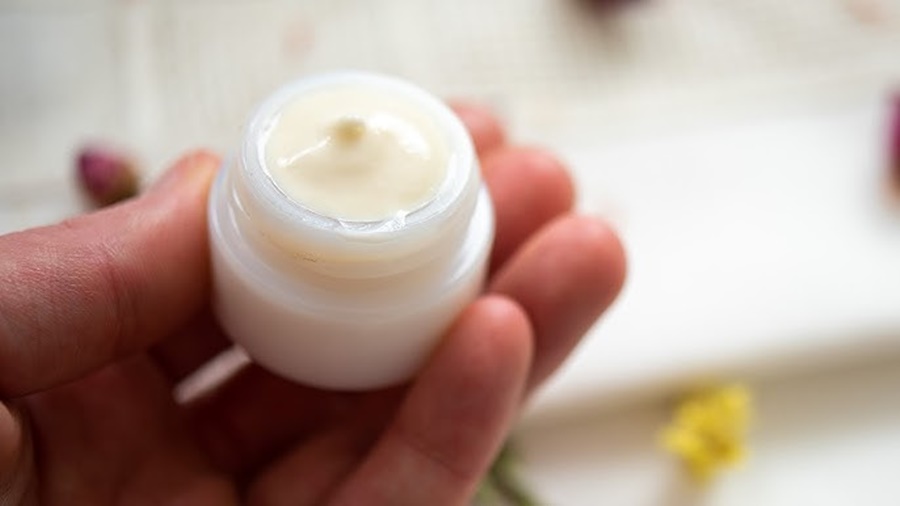
A high-quality face cream can transform the skin providing hydration, nourishment, protection, and long-term improvements in texture and clarity. But with so many products on the market, it’s easy to feel overwhelmed by ingredient lists. Understanding what should (and shouldn’t) be in your cream helps you choose a product that truly works for your skin.
Below is a complete breakdown of the best ingredients to look for in a face cream and why each one matters.
1. Hydrating Ingredients
Hydration is the foundation of any good face cream. These ingredients help bind moisture to the skin and prevent dehydration.
Hyaluronic Acid
- Draws water into the skin
- Plumps fine lines and supports elasticity
Ideal for dry, dehydrated, or mature skin.
Glycerin
- A powerful humectant that strengthens the moisture barrier
- Works well for all skin types
Aloe Vera
- Lightweight hydration
- Soothes irritation and redness
Good for sensitive or acne-prone skin.
2. Emollients (Nourishing Moisture)
Emollients soften and smooth the skin by filling gaps in the surface layer.
Ceramides
- Essential lipids naturally found in the skin barrier
- Strengthen and protect against moisture loss
Perfect for dry and sensitive skin.
Fatty Acids (e.g., Linoleic Acid, Oleic Acid)
- Help repair damaged skin
- Improve texture and flexibility
Natural Oils (e.g., Jojoba, Squalane, Argan Oil)
- Provide antioxidants and deep nourishment
- Mimic the skin’s natural sebum
Choose lightweight options (like squalane) for oily skin.
3. Occlusives (Seal in Moisture)
Occlusives lock in hydration and protect the skin from environmental stress.
Shea Butter
- Rich, soothing, and deeply moisturizing
Great for very dry or mature skin.
Dimethicone
- Creates a silky barrier without clogging pores
- Helps smooth texture
Suitable for most skin types, including sensitive.
Petrolatum (in small amounts)
- Extremely effective barrier protection
Best for very dry or compromised skin.
4. Anti-Aging & Skin-Repair Ingredients
These ingredients promote rejuvenation, firmness, and a more youthful complexion.
Retinol or Retinoids
- Boost collagen
- Reduce wrinkles and hyperpigmentation
Use only at night; may irritate sensitive skin.
Peptides
- Support collagen production
- Improve skin firmness
Vitamin C
- Brightens skin
- Fades dark spots
- Protects from free-radical damage
Look for stable forms like ascorbyl glucoside or THD ascorbate.
5. Soothing & Anti-Inflammatory Ingredients
These ingredients calm irritation and strengthen the skin barrier.
Niacinamide (Vitamin B3)
- Reduces redness and blotchiness
- Balances oil production
- Improves texture
Great for every skin type.
Panthenol (Pro-Vitamin B5)
- Soothes and hydrates
- Supports healing
Green Tea Extract
- Reduces inflammation
- Offers antioxidant protection
6. Brightening Ingredients
For those looking to improve radiance and reduce discoloration.
Alpha-Arbutin
- Gentle lightening ingredient
- Helps fade hyperpigmentation
Licorice Root Extract
- Calms irritation
- Reduces dark spots
Lactic Acid (gentle AHA)
- Exfoliates dead skin cells
- Improves glow and softness
Suitable for dull or dry skin.
7. Protective Ingredients
These shield the skin from environmental damage and help prevent premature aging.
Antioxidants (Vitamin E, CoQ10, Resveratrol)
- Neutralize free radicals
- Support long-term skin health
SPF (for daytime creams)
- Protects against UVA/UVB rays
- Crucial for preventing wrinkles, pigmentation, and skin cancer
Look for broad-spectrum SPF 30 or higher.
8. Ingredients to Avoid
Not all ingredients belong in a face cream. Some may irritate or clog pores.
Harsh alcohols (e.g., denatured alcohol)
- Can dry out the skin
Artificial fragrances
- Common cause of irritation and allergies
Comedogenic oils (e.g., coconut oil for the face)
- May clog pores and cause breakouts
Parabens (if sensitive)
- Some people prefer to avoid them due to potential irritation
Conclusion
Choosing the right face cream comes down to understanding which ingredients truly benefit your skin. A well-formulated cream should combine hydrating agents, nourishing emollients, protective occlusives, and targeted actives that support your specific skin goals whether that’s hydration, anti-aging, brightening, or calming irritation. Ingredients like hyaluronic acid, ceramides, niacinamide, peptides, antioxidants, and gentle plant extracts work together to strengthen the skin barrier, improve texture, and maintain long-term skin health.
Ultimately, the best face cream is one that matches your skin type, avoids irritants, and provides a balanced blend of science-backed ingredients. By understanding what to look for on the label, you can make confident choices and invest in products that deliver real, visible results.
Leave a Reply