
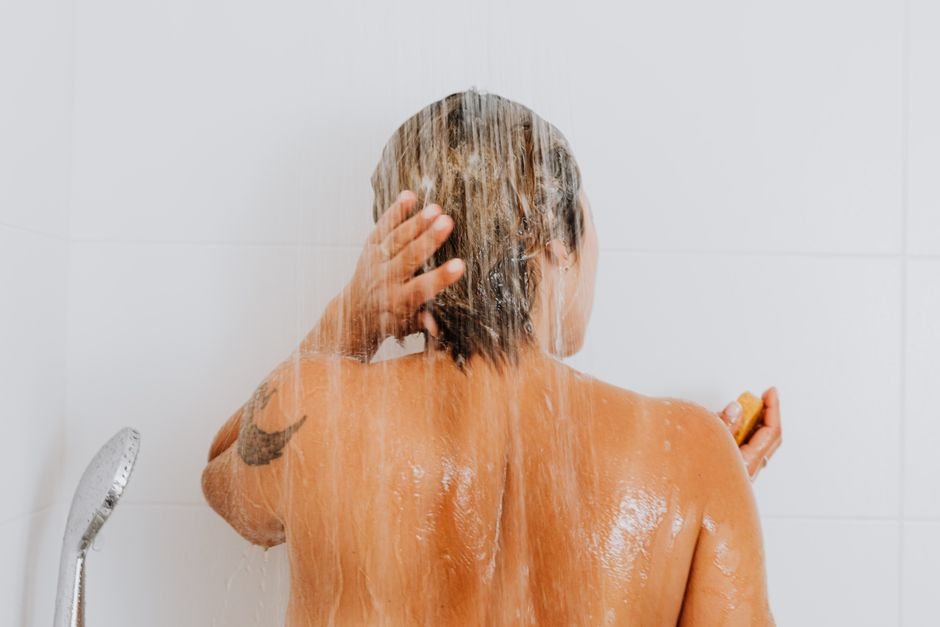
Using body wash in place of shampoo is a gamble, and statistics show that over 70% of people are unaware of the potential damage it can cause to their hair. The bottom line is that body wash can strip essential oils and lead to dryness and brittleness.
Body washes are formulated to cleanse skin while maintaining moisture, which is a great goal for your body but not necessarily the best for your hair. When I switched to using body wash on my hair during a rushed morning, I noticed an immediate difference.
My hair felt dry and looked dull, which led me to dive deeper into the science behind shampoos and body washes. If you’re curious about why this is the case, let’s break it down.

Clear Differences Between Hair and Skin Care Products
You’ll find that the skin on your body and your scalp are not the same in terms of needs. Body washes typically contain ingredients like moisturizers and fragrances designed for skin, but these ingredients don’t address hair-specific issues such as oiliness, dryness, or dandruff. Your hair needs different treatment since it has structures and concerns that skin doesn’t share.
For example, hair is made up of proteins and requires products that can cleanse without stripping away all the natural oils. Most body washes include strong surfactants meant to remove dirt and grime from the skin, which can leave your hair feeling stripped of essential moisture.
If you’re serious about maintaining healthy hair, you should opt for products specifically designed for your hair type, perhaps even considering some shampoo alternatives that nourish rather than strip.
Ingredients in Body Wash vs. Shampoo
The ingredients found in body wash and shampoo vary greatly, which is crucial for understanding why body wash may damage your hair. A standard body wash may contain sulfates, which are effective foaming agents for cleaning, but they can be quite harsh on your hair. Sulfates strip the natural oils, leading to dryness and potentially causing breakage over time.
In contrast, shampoos are designed with milder cleansing agents that respect the delicate structure of hair.
Furthermore, body washes often contain ingredients like parabens and synthetic fragrances that, while pleasant for the skin, can lead to build-up on your hair.
If you’re aiming for vibrant, healthy locks, it might be worthwhile to switch to sulfate-free shampoos, which are gentler on both your scalp and hair. Sulfate-free options are particularly beneficial for color-treated hair, as they help preserve the color and shine without harsh stripping.
Impacts on Scalp Health
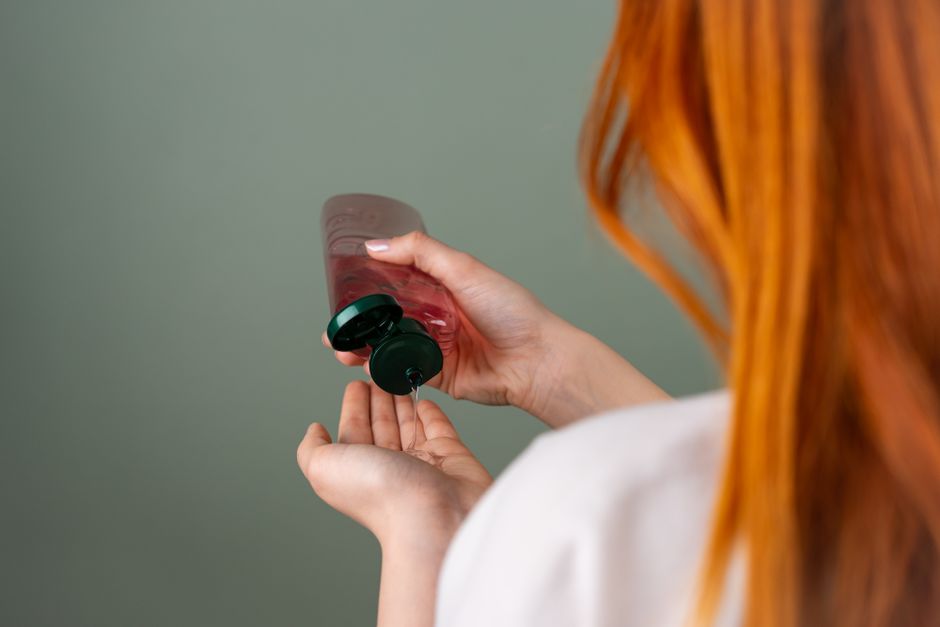
Not only does using body wash on your hair affect its condition, but it can also disrupt scalp health. The scalp, like the skin, has its own unique ecosystem of oils and bacteria that help maintain balance. Body washes may throw this balance off, leading to issues like dandruff or excessive oiliness.
Providing a clean slate for your hair without compromising your scalp’s health is critical.
Investing in proper scalp care products can also make a significant difference. A dedicated shampoo not only cleanses but can also offer treatments for various issues such as dandruff or dryness. Incorporating a scalp-specific product into your hair care routine can nourish your roots and promote healthy hair growth.
Final Recommendation: Make the Right Choice for Your Hair
For the best results, choose a sulfate-free shampoo tailored to your hair type. Those with oily hair should try clarifying formulas, while individuals with dry hair will benefit more from moisturizing options.
Frequently Asked Questions
Can body wash be used as a shampoo?
Body wash is not designed for hair, so it should generally not be used as a shampoo. While it may clean the scalp, it lacks the specific ingredients needed to maintain hair health.
Why might body wash damage your hair?
Body wash can damage your hair because it often contains harsher detergents and sulfates that can strip hair of natural oils. These ingredients may lead to dryness, frizz, and breakage over time.
Is it safe to use body wash on your hair?
Using body wash on your hair is not recommended as it can disrupt the natural moisture balance. While it won’t result in immediate damage, frequent use can weaken hair and diminish its overall health.
What happens if you wash hair with body wash?
If you wash your hair with body wash, you may find that your hair becomes dry, brittle, and more prone to tangling. The harsher chemicals may also irritate your scalp and lead to increased dandruff.
How to prevent hair damage from body wash?
To prevent hair damage from body wash, it’s best to avoid using it altogether and stick to products formulated for hair care. If you accidentally use body wash, follow up with a good conditioner to restore moisture.
If you are wondering how often you should wash your hair, this guide can provide valuable insights.
Leave a Reply