
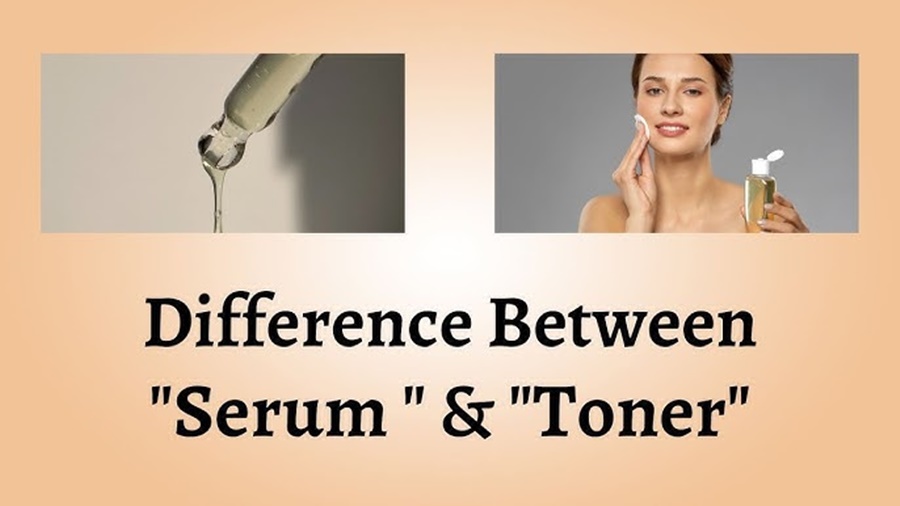
The Serum vs Toner: Key Differences Explained is worth a close look — in the world of skincare, serums and toners are often confused or used interchangeably. While both play important roles in a skincare routine, they serve very different purposes, have different formulations, and are applied at different stages. Understanding these differences can help you choose the right products for your skin type and concerns.
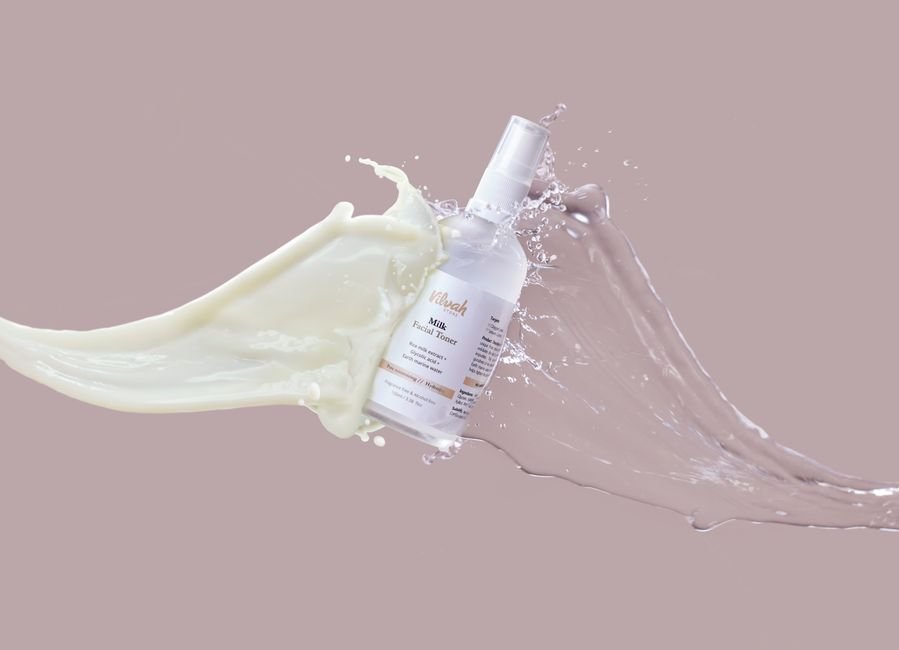
What Is a Toner?
A toner is a lightweight liquid skincare product used after cleansing and before serums or moisturizers. Its main job is to prepare the skin for the rest of your routine.
Key Functions of a Toner
- Removes leftover dirt, oil, or cleanser residue
- Balances the skin’s pH level after cleansing
- Lightly hydrates and refreshes the skin
- Helps other products absorb more effectively
Common Ingredients in Toners
- Rose water
- Witch hazel
- Glycerin
- Aloe vera
- Mild acids (like glycolic or lactic acid, in gentle formulas)
Texture and Feel
Toners are usually water-like and absorb quickly without feeling heavy or sticky.
What Is a Serum?
A serum is a concentrated skincare treatment designed to target specific skin concerns such as acne, dullness, dryness, or uneven tone.
Key Functions of a Serum
- Delivers active ingredients deep into the skin
- Treats specific concerns (hydration, brightening, calming, etc.)
- Improves overall skin texture and appearance over time
Common Ingredients in Serums
- Hyaluronic acid
- Vitamin C
- Niacinamide
- Peptides
- Ceramides
Texture and Feel
Serums are usually thicker than toners but lighter than moisturizers. They can feel gel-like, silky, or slightly oily depending on the formula.
Serum vs Toner: Main Differences
| Feature | Toner | Serum |
|---|---|---|
| Purpose | Prepares skin | Treats skin concerns |
| Texture | Watery, lightweight | Thicker, concentrated |
| When to Use | After cleansing | After toner |
| Ingredient Strength | Mild | Highly concentrated |
| Targeted Treatment | No (general prep) | Yes (specific concerns) |
How They Work Together
Toners and serums are not substitutes for each other they work best when used together.
- Cleanser – Cleans the skin
- Toner – Preps and balances
- Serum – Treats specific concerns
- Moisturizer – Locks in hydration
Using a toner first helps your serum penetrate more effectively, making your routine more efficient. For more on the benefits of specific products like camellia oil, you can check out this article on skin benefits.
Do You Need Both?
- If you want a simple routine, you can skip toner and still benefit from a serum.
- If you want better absorption and hydration, using both can improve results.
- People with dry or sensitive skin often benefit from hydrating toners.
- Those targeting specific concerns (like dullness or uneven texture) will benefit most from serums.
Choosing the Right Products for Your Skin
For Oily or Acne-Prone Skin
- Toner: Oil-controlling or soothing toner
- Serum: Lightweight, non-greasy formula
For Dry Skin
- Toner: Hydrating, alcohol-free toner
- Serum: Deeply hydrating serum
For Combination Skin
- Toner: Balancing toner
- Serum: Multi-benefit or targeted serum
Our write-up on vs cream how to choose picks up where this leaves off.
Common Mistakes to Avoid
When incorporating toners and serums into your routine, common errors can hinder your results. One frequent mistake is using toner on dry skin. If your skin feels tight, skip the toner and opt for a hydrating serum instead.
Another mistake is applying serum on a dirty face. Ensure you cleanse your skin first to maximize absorption. Layering heavy serums over thick creams can also prevent proper penetration of ingredients.
- Skimping on application times can lead to inadequate results.
- Not patch-testing products may result in irritation.
- Overusing products can cause congestion and breakouts.
Cost Considerations
Costs can vary significantly between toners and serums. Typical toners range from $10 to $40, while serums may start at $15 and can exceed $100. High-quality serums often contain concentrated actives that justify the higher price point.
When budgeting for these products, consider your skin goals. If you’re targeting specific concerns like aging or hyperpigmentation, investing in a serum can yield better results. Consider trial sizes to test efficacy without a large commitment.
Maintenance of Your Skincare Routine
Maintaining an effective skincare routine requires consistency and adaptability. For toner, apply it daily after cleansing, using a cotton pad or your hands. This ensures your skin is balanced and ready for the next steps.
For serums, you may want to apply them both morning and night, depending on your skin’s needs. Make it a habit to assess your skin weekly and adjust your products accordingly, especially when seasons change.
Practical Application Tips
To get the most from your toner, apply it immediately after cleansing. Use a cotton pad to sweep it across your face gently. This technique ensures even distribution and helps remove any residual makeup or dirt. Look for alcohol-free options if your skin feels tight or irritated.
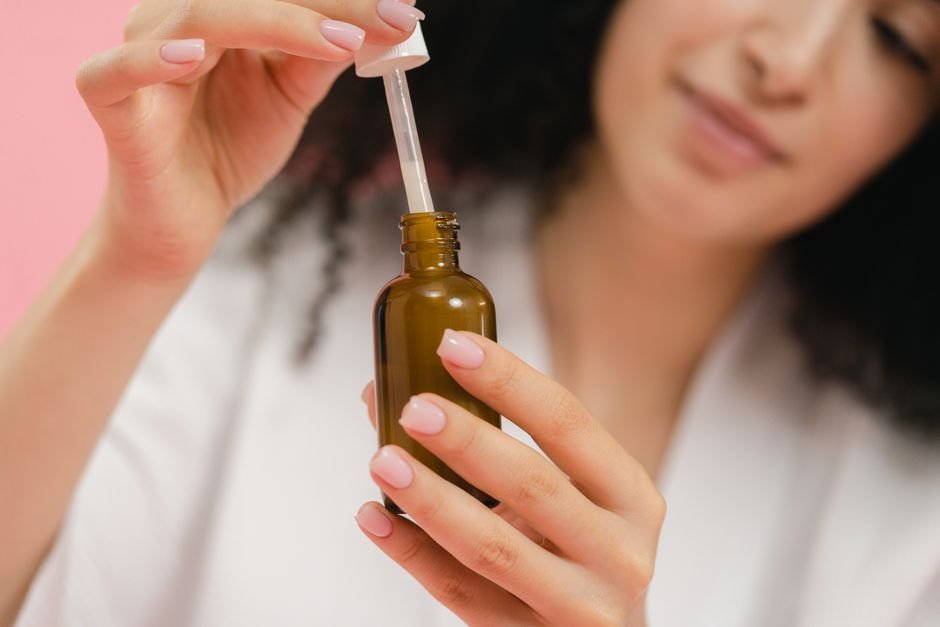
When applying serum, use a dropper for precision. Dispense 2-3 drops and lightly press it onto your skin using your fingertips. This method facilitates deeper absorption and enhances the serum’s effects.
Who Should Use Each Product?
Toners work best for those with oily or acne-prone skin, as they can help balance oil levels. If your skin feels excessively dry, you might want to skip this step altogether.
Serums, on the other hand, can suit anyone looking to target specific skin concerns such as hyperpigmentation or fine lines. Their concentrated formulas deliver potent ingredients, making them ideal for those wanting noticeable results.
Conclusion
While both serums and toners are essential skincare products, they serve distinct roles. A toner prepares and balances the skin, while a serum delivers powerful ingredients to address specific concerns. Understanding how and when to use each can help you build a more effective skincare routine and get better results over time.
Leave a Reply