
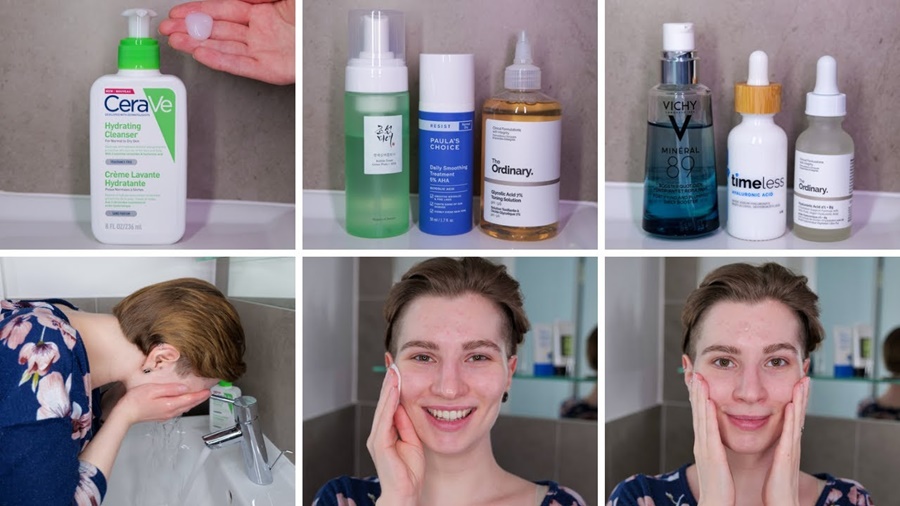
In the world of skincare, Hyaluronic Acid and Glycolic Acid are two of the most talked-about ingredients. While both are highly effective and widely used, they serve very different purposes and work in completely different ways. Understanding these differences can help you choose the right ingredient for your skin type and concerns.
This article explores what each acid does, how they differ, and when to use them.
What Is Hyaluronic Acid?
Hyaluronic Acid (HA) is a hydrating ingredient naturally found in the skin, connective tissues, and eyes. Its primary role is to retain moisture, keeping the skin plump, smooth, and well-hydrated.
How Hyaluronic Acid Works
Hyaluronic Acid acts as a humectant, meaning it draws water from the environment and deeper layers of the skin to the surface. One molecule of HA can hold up to 1,000 times its weight in water, making it extremely effective for hydration.
Key Benefits of Hyaluronic Acid
- Deeply hydrates the skin
- Improves skin elasticity and plumpness
- Reduces the appearance of fine lines caused by dehydration
- Strengthens the skin barrier
- Suitable for all skin types, including sensitive skin
Common Uses
Hyaluronic Acid is commonly found in:
- Serums
- Moisturizers
- Sheet masks
- Eye creams
What Is Glycolic Acid?
Glycolic Acid is an alpha hydroxy acid (AHA) derived from sugar cane. It is primarily known for its exfoliating properties and is often used to improve skin texture and tone.
How Glycolic Acid Works
Glycolic Acid penetrates the skin and breaks down the bonds between dead skin cells, allowing them to shed more easily. This process reveals newer, smoother skin underneath.
Key Benefits of Glycolic Acid
- Exfoliates dead skin cells
- Brightens dull complexion
- Improves uneven skin tone
- Reduces acne, blackheads, and clogged pores
- Minimizes the appearance of fine lines and dark spots
Common Uses
Glycolic Acid is typically found in:
- Chemical exfoliants
- Toners
- Peels
- Cleansers
Hyaluronic Acid vs Glycolic Acid: Main Differences
Purpose
- Hyaluronic Acid focuses on hydration and moisture retention.
- Glycolic Acid focuses on exfoliation and skin renewal.
Effect on Skin
- Hyaluronic Acid hydrates and soothes the skin.
- Glycolic Acid removes dead skin cells and promotes cell turnover.
Skin Sensitivity
- Hyaluronic Acid is gentle and safe for daily use.
- Glycolic Acid can be irritating, especially for sensitive skin or when overused.
Ideal Skin Concerns
- Hyaluronic Acid is best for dry, dehydrated, or aging skin.
- Glycolic Acid is best for acne-prone, dull, or uneven skin.
Usage Frequency
- Hyaluronic Acid can be used daily, morning and night.
- Glycolic Acid is typically used 2–3 times per week, depending on concentration.
Can You Use Hyaluronic Acid and Glycolic Acid Together?
Yes, these two ingredients can be used together when applied correctly.
How to Layer Them
- Apply Glycolic Acid first to exfoliate the skin.
- Follow with Hyaluronic Acid to hydrate and calm the skin.
This combination helps reduce dryness and irritation caused by exfoliation while maximizing skin benefits.
Which One Should You Choose?
Choose Hyaluronic Acid if you:
- Have dry or dehydrated skin
- Want a plump, smooth appearance
- Have sensitive or compromised skin
Choose Glycolic Acid if you:
- Struggle with acne or clogged pores
- Have uneven skin tone or texture
- Want brighter, smoother skin
For many people, using both ingredients at different times offers the best results.
Cost Comparison and Maintenance
The cost of hyaluronic acid and glycolic acid products can vary widely. On average, a quality hyaluronic acid serum ranges from $15 to $100, depending on the brand and concentration. Glycolic acid products often fall into a similar range. A good toner or exfoliant can cost between $20 and $50.
Regular maintenance is key for both ingredients. Hyaluronic acid may require daily application for lasting hydration, while glycolic acid should be used consistently but not every day. Over time, this could lead to needing fewer products as your skin acclimates.
Consider this for your budget:
- Look for multi-use products that combine benefits.
- Invest in quality over quantity to avoid skin irritation.
- Watch for sales or discounts from reputable retailers to save money.
Understanding these aspects can help you allocate your budget effectively while ensuring your skin receives proper care.
Who Each Option Suits
Individuals with dry or dehydrated skin will benefit more from hyaluronic acid, as it draws moisture into the skin. It’s perfect for mature skin types or anyone looking to plump up fine lines.
In contrast, glycolic acid is ideal for oily or combination skin types prone to acne or clogged pores. It’s especially effective for those seeking to minimize dark spots, hyperpigmentation, or rough texture. Choose based on your primary skin concerns for the best results.
Conclusion
Hyaluronic Acid and Glycolic Acid are both powerful skincare ingredients, but they serve very different roles. Hyaluronic Acid hydrates and protects the skin, while Glycolic Acid exfoliates and renews it. Understanding how each works allows you to build a skincare routine that targets your specific needs without causing irritation.
For those interested in learning more about the benefits and potential side effects of hyaluronic acid, you can check out more details here.
When used correctly, these two acids can complement each other and help you achieve healthier, more radiant skin.
Leave a Reply