
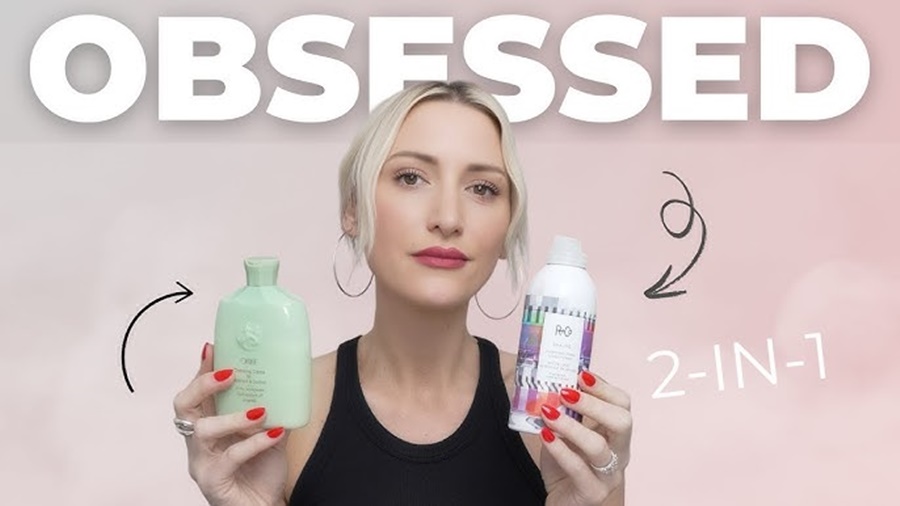
Shampoo vs Conditioner: Understanding Their Key Differences reveals that shampoo cleanses the scalp and hair by removing dirt and oil, while conditioner primarily moisturizes and detangles, making hair easier to manage. Though often paired, these products serve distinct purposes and are not interchangeable, with experts recommending using both for optimal hair health.
This complete guide explains the key differences between shampoo and conditioner, how they work, and how to use them properly for healthy, beautiful hair.
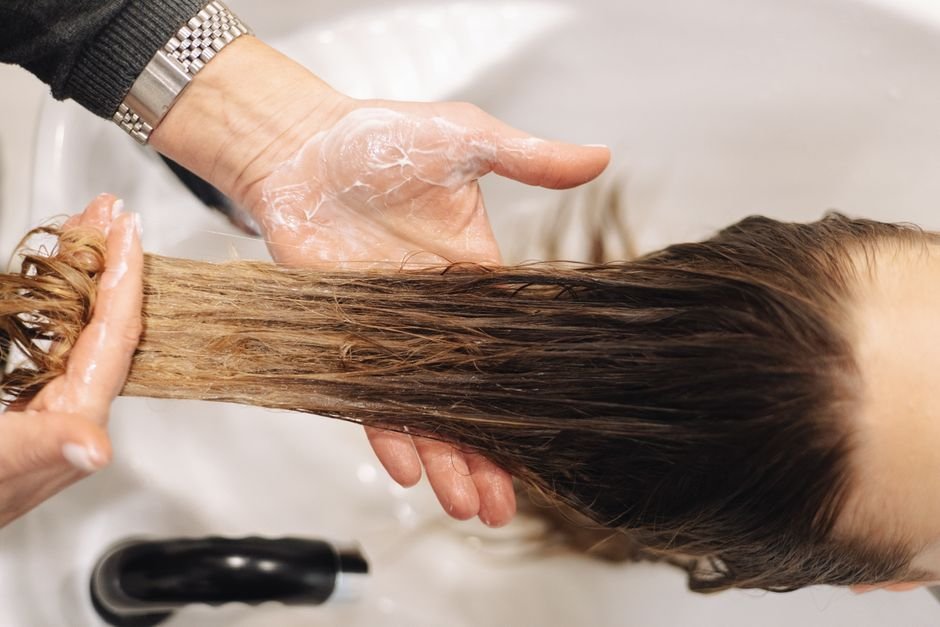
What Is Shampoo?
Shampoo is a cleansing product designed to remove dirt, oil, sweat, product buildup, and environmental pollutants from your scalp and hair.
How Shampoo Works
Your scalp naturally produces sebum (oil) to keep hair moisturized. However, excess oil can trap dirt and make hair look greasy. Shampoo contains cleansing agents (surfactants) that bind to oil and grime, allowing them to be rinsed away with water.
Main Purpose of Shampoo
- Cleans the scalp
- Removes excess oil
- Washes away sweat and dirt
- Eliminates product buildup
- Refreshes hair
What Happens Without Shampoo?
If you don’t wash your hair regularly:
- Oil builds up
- Hair becomes greasy
- Scalp may itch
- Dandruff may worsen
- Hair can look flat and heavy
In short, shampoo focuses on cleansing.
What Is Conditioner?
Conditioner is a moisturizing and smoothing product applied after shampooing. Its job is to restore moisture, smooth the hair cuticle, and improve manageability.
How Conditioner Works
Shampoo opens the hair cuticle while cleaning. Conditioner helps:
- Close and smooth the cuticle
- Reduce friction between hair strands
- Add moisture
- Improve softness and shine
It contains ingredients like emollients, oils, proteins, and silicones that coat and protect the hair shaft.
Main Purpose of Conditioner
- Moisturizes hair
- Reduces frizz
- Improves softness
- Adds shine
- Prevents tangling
- Protects against damage
In simple terms, conditioner focuses on nourishment and protection.
Key Differences Between Shampoo and Conditioner
| Feature | Shampoo | Conditioner |
|---|---|---|
| Main Function | Cleanses | Moisturizes & protects |
| Used On | Scalp & hair | Mainly mid-length to ends |
| Removes Oil | Yes | No |
| Adds Moisture | Minimal | Yes |
| Rinsed Out | Yes | Yes (except leave-in types) |
| Texture | Usually lighter, foamy | Creamy and thicker |
Why You Should Use Both
Some people think conditioner is optional, but skipping it can cause problems.
Without Conditioner:
- Hair becomes dry
- More breakage occurs
- Frizz increases
- Hair feels rough
- Tangles are harder to manage
Shampoo cleans your hair, but it can also strip away natural oils. Conditioner restores balance.
Think of it like this:
- Shampoo = soap for your hair
- Conditioner = lotion for your hair
Both serve different but complementary roles.
How to Use Shampoo and Conditioner Correctly
Step 1: Shampoo
- Wet your hair completely.
- Apply a small amount to your scalp.
- Massage gently with fingertips.
- Rinse thoroughly.
Tip: Focus on the scalp, not the ends.
Step 2: Conditioner
- Apply to mid-length and ends.
- Avoid the scalp (unless it’s a special scalp conditioner).
- Leave it on for 2–5 minutes.
- Rinse well.
Tip: Use a wide-tooth comb while conditioner is in your hair to reduce tangles.
Can You Use Conditioner Without Shampoo?
Yes, this method is called “co-washing” (conditioner washing). It works best for:
- Very curly hair
- Dry hair
- Textured hair
However, it may not properly remove heavy buildup for people with oily scalps.
Can You Use Shampoo Without Conditioner?
Yes, but it’s not ideal for most hair types. It may work if you:
- Have very short hair
- Have extremely oily hair
- Use a very gentle, moisturizing shampoo
Still, over time, hair may become dry and brittle.
Choosing the Right Products for Your Hair Type
Oily Hair
- Lightweight shampoo
- Light conditioner only on ends
Dry Hair
- Moisturizing shampoo
- Deep conditioning treatment regularly
Curly Hair
- Sulfate-free shampoo
- Rich, hydrating conditioner
Fine Hair
- Volumizing shampoo
- Lightweight conditioner
Damaged or Color-Treated Hair
- Repair-focused shampoo
- Protein or strengthening conditioner
Common Myths About Shampoo and Conditioner
Myth 1: Conditioner Makes Hair Greasy
Not if used properly. Apply it only to the ends, not the scalp.
Myth 2: You Should Wash Hair Every Day
Not necessary for most people. 2–3 times per week works for many hair types.
Myth 3: More Shampoo Means Cleaner Hair
Using too much can strip natural oils and cause dryness.
Myth 4: Conditioner Repairs Split Ends
Conditioner improves appearance but does not permanently fix split ends. Only trimming can do that.
Who Each Option Suits Best
Shampoo and conditioner serve different hair care needs. If your hair tends to be oily, a clarifying or sulfate-free shampoo might be your best friend. This targeted approach helps maintain balance without excessive moisture.
On the other hand, if your hair is naturally dry or color-treated, you may gravitate towards a rich conditioner. Look for one containing natural oils or proteins to restore lost hydration. Cream-based formulas are also ideal for thicker, coarser hair.
Individuals with curly hair can benefit greatly from leave-in conditioners or deep-conditioning masks. These products help retain moisture and define curls, enhancing overall hair texture. For more information on conditioning, check this out.
Worth reading alongside this: herbal shampoo vs chemical shampoo.
Conclusion
Shampoo and conditioner are not competitors they are partners in hair care.
- Shampoo cleans your scalp and removes buildup.
- Conditioner restores moisture and protects your strands.
Using both properly helps maintain healthy, smooth, and manageable hair. The key is choosing the right formulas for your hair type and applying them correctly.
Leave a Reply