
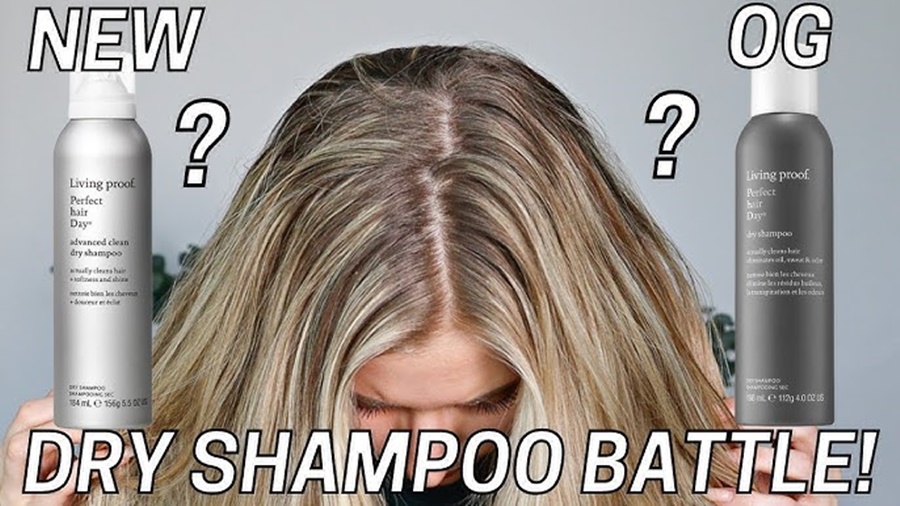
While traditional washing with water and shampoo has always been the standard, dry shampoo has become increasingly popular for people with busy lifestyles. Hair care routines have evolved significantly over the years. Many people now wonder whether dry shampoo can replace regular shampoo or if it should only be used occasionally.
Understanding the differences between dry shampoo and regular shampoo can help you choose the right option for your hair care routine.
This article explains what dry shampoo and regular shampoo are, how they work, their benefits, disadvantages, and when each should be used.
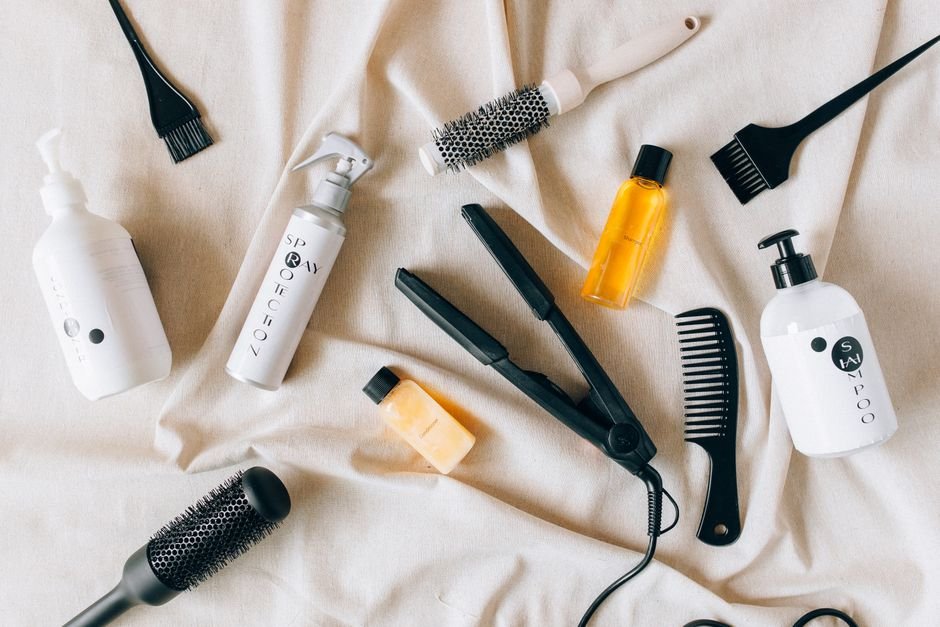
What Is Dry Shampoo?
Dry shampoo is a waterless hair product designed to absorb excess oil from the scalp and hair. It usually comes in a spray, powder, or foam form and is applied directly to the roots of the hair.
Most dry shampoos contain ingredients such as starch, clay, silica, or alcohol that help soak up oil and reduce the greasy appearance of hair. Instead of washing the hair with water, dry shampoo refreshes the hair by absorbing oil and adding volume.
After applying dry shampoo, the product is usually brushed or massaged through the hair to distribute it evenly.
Benefits of Dry Shampoo
1. Saves Time
Dry shampoo is very convenient. It can refresh your hair in a few minutes without needing water, which makes it perfect for busy mornings.
2. Extends Time Between Washes
Frequent washing can strip natural oils from the scalp. Dry shampoo allows you to stretch the time between regular washes.
3. Adds Volume and Texture
Dry shampoo can give flat hair more body and texture, making it useful for styling.
4. Travel-Friendly
It is easy to carry and use anywhere, especially when traveling or when access to water is limited.
Drawbacks of Dry Shampoo
1. Does Not Truly Clean Hair
Dry shampoo only absorbs oil and sweat. It does not remove dirt, product buildup, or bacteria from the scalp.
2. Product Buildup
Using dry shampoo repeatedly without washing can lead to buildup on the scalp.
3. Possible Scalp Irritation
Some people may experience itching or irritation if dry shampoo is used too frequently.
4. Not Ideal for Long-Term Use
Dry shampoo should not completely replace traditional washing.
What Is Regular Shampoo?
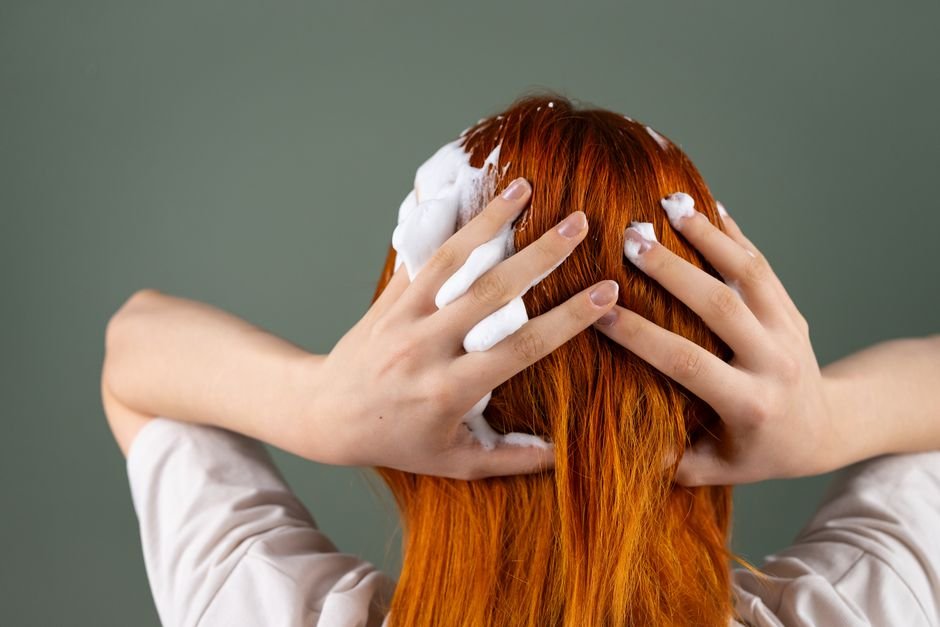
Regular shampoo is a liquid cleansing product used with water to wash the hair and scalp. It contains cleansing agents called surfactants that remove dirt, oil, sweat, dead skin cells, and product buildup.
Shampoo is typically followed by conditioner to restore moisture and maintain hair softness.
Benefits of Regular Shampoo
1. Deep Cleansing
Regular shampoo thoroughly cleans the hair and scalp by removing dirt, oil, and residue.
2. Promotes Scalp Health
Proper cleansing helps prevent scalp problems such as dandruff and clogged hair follicles.
3. Variety of Formulas
There are many types of shampoos designed for different hair types, including oily, dry, curly, or color-treated hair.
4. Removes Product Buildup
Hair styling products, sweat, and pollution accumulate over time. Regular shampoo effectively washes these away.
Drawbacks of Regular Shampoo
1. Time-Consuming
Washing, conditioning, drying, and styling hair can take significant time.
2. Overwashing Can Dry Hair
Frequent shampooing may strip natural oils, which can lead to dryness or frizz.
3. Requires Water and Facilities
Regular shampoo cannot be used without access to water and a place to wash hair.
Key Differences Between Dry Shampoo and Regular Shampoo
1. Cleaning Method
Dry shampoo works by absorbing oil, while regular shampoo cleans hair by washing away dirt and oil with water and cleansing agents.
2. Usage Process
Dry shampoo is applied to dry hair and brushed out. Regular shampoo requires wet hair and rinsing with water.
3. Purpose
Dry shampoo is mainly used for refreshing hair between washes. Regular shampoo is used for proper cleansing and scalp care.
4. Frequency of Use
Dry shampoo is best used occasionally, whereas regular shampoo should be part of your regular hair care routine.
5. Effect on Hair Health
Regular shampoo maintains long-term scalp health, while dry shampoo provides temporary improvement in appearance.
When Should You Use Dry Shampoo?
Dry shampoo is useful in several situations:
- When you are short on time
- After workouts when hair becomes slightly oily
- While traveling without easy access to showers
- To add volume before styling
- To extend the life of a hairstyle
However, it should not replace normal washing for long periods.
When Should You Use Regular Shampoo?
Regular shampoo should be used whenever your hair needs proper cleaning. This includes:
- Removing sweat and dirt
- Washing away styling products
- Maintaining scalp hygiene
- Treating dandruff or scalp issues
Most people benefit from washing their hair two to three times per week, although this depends on hair type and lifestyle.
Can Dry Shampoo Replace Regular Shampoo?
Dry shampoo cannot fully replace regular shampoo. While it helps improve the appearance of oily hair temporarily, it does not cleanse the scalp or remove buildup.
Using dry shampoo for several days without washing may lead to clogged pores, scalp irritation, or dull hair.
Experts recommend using dry shampoo only between normal washes rather than as a long-term substitute. The differences between Dry Shampoo vs Regular Shampoo can help guide your choices.
Which Option Is Better?
Neither option is strictly better; they serve different purposes.
Regular shampoo is essential for maintaining scalp health and proper hygiene. Dry shampoo, on the other hand, is a helpful convenience product that keeps hair looking fresh between washes.
The best hair care routine usually includes both products used in balance.
Our write-up on antibacterial body wash vs regular picks up where this leaves off.
Conclusion
Dry shampoo and regular shampoo each play an important role in modern hair care routines. Regular shampoo provides deep cleansing and promotes scalp health, while dry shampoo offers a quick solution for refreshing hair when washing is not practical.
For the best results, use regular shampoo as your primary cleaning method and rely on dry shampoo occasionally to extend the time between washes. By understanding the strengths and limitations of both products, you can maintain healthier and better-looking hair.
Leave a Reply