
- Fragrance-free products
- Hypoallergenic
Body wash is a daily hygiene product used by millions of people around the world. When shopping for personal care products, many consumers notice two common categories: antibacterial body wash and regular body wash. While both are designed to clean the skin, they work differently and serve different purposes.
Understanding the differences can help you choose the right product for your skin type, lifestyle, and health needs.
This article explains what antibacterial and regular body washes are, how they work, their benefits and drawbacks, and which option may be best for you.
What Is Antibacterial Body Wash?
Antibacterial body wash is a cleansing product formulated with ingredients that help kill or reduce bacteria on the skin. These products are designed not only to remove dirt, sweat, and oil but also to target harmful microorganisms.
Common antibacterial ingredients include:
- Benzalkonium chloride
- Chlorhexidine
- Tea tree oil (natural antibacterial agent)
- Triclosan (less commonly used today due to safety concerns)
Antibacterial body washes are often marketed for people who:
- Sweat heavily
- Play sports
- Work in environments with high exposure to germs
- Experience body odor
- Have acne-prone skin
These washes may provide an extra layer of protection against bacteria that can cause odor, infections, or skin problems.
What Is Regular Body Wash?
Regular body wash is a standard cleansing product designed to remove dirt, oil, sweat, and dead skin cells from the body. It does not specifically target bacteria beyond normal cleansing action.
Regular body washes usually contain:
- Mild surfactants
- Moisturizers
- Fragrances
- Skin-conditioning agents
- Vitamins or botanical extracts
These products focus more on:
- General hygiene
- Skin hydration
- Gentle cleansing
- Maintaining healthy skin balance
They are suitable for everyday use and for most skin types.
Key Differences Between Antibacterial and Regular Body Wash
1. Purpose
Antibacterial Body Wash
Designed to kill or reduce bacteria on the skin.
Regular Body Wash
Designed mainly to clean the skin and maintain freshness.
2. Ingredients
Antibacterial Body Wash
Contains antibacterial or antimicrobial agents.
Regular Body Wash
Contains cleansing and moisturizing ingredients without strong antibacterial chemicals.
3. Skin Effects
Antibacterial Body Wash
May dry out the skin if used excessively because it can remove natural oils and beneficial bacteria.
Regular Body Wash
Usually gentler and more hydrating for daily use.
4. Odor Control
Antibacterial Body Wash
More effective for controlling body odor caused by bacteria.
Regular Body Wash
Helps reduce odor through cleaning and fragrance but may not eliminate odor-causing bacteria as effectively.
5. Everyday Use
Antibacterial Body Wash
Best for occasional or targeted use unless recommended by a healthcare professional.
Regular Body Wash
Ideal for routine daily cleansing.
Benefits of Antibacterial Body Wash
1. Reduces Bacteria
The main advantage is its ability to reduce bacteria on the skin surface. This can help lower the risk of certain skin infections.
2. Helps Control Body Odor
Body odor often develops when bacteria break down sweat. Antibacterial formulas can reduce this bacterial activity.
3. Useful for Athletes and Active Individuals
People who sweat heavily or participate in sports may benefit from deeper antibacterial cleansing.
4. May Help With Body Acne
Some antibacterial ingredients can reduce acne-causing bacteria, especially on the back and chest.
Drawbacks of Antibacterial Body Wash
1. Can Cause Dryness
Frequent use may strip the skin of natural oils, leading to dryness or irritation.
2. May Disrupt Healthy Skin Bacteria
Not all bacteria are harmful. Overusing antibacterial products can disturb the skin’s natural microbiome.
3. Risk of Skin Sensitivity
Some antibacterial ingredients may trigger allergic reactions or irritation in sensitive skin.
4. Not Always Necessary
For most healthy individuals, regular soap or body wash is usually enough for proper hygiene.
Benefits of Regular Body Wash
1. Gentle on Skin
Most regular body washes are formulated for daily use and help preserve skin moisture.
2. Supports Skin Barrier
Regular body washes are less likely to disrupt the skin’s natural protective barrier.
3. Wide Variety Available
There are options for:
- Dry skin
- Sensitive skin
- Oily skin
- Fragrance-free preferences
- Natural skincare routines
4. Better for Daily Hydration
Many formulas include moisturizing ingredients like glycerin, aloe vera, or shea butter.
Drawbacks of Regular Body Wash
1. Less Effective Against Bacteria
It may not provide strong antibacterial action for people prone to infections or excessive sweating.
2. Temporary Odor Control
Fragrance may mask odor rather than reduce the bacteria causing it.
Which One Should You Choose?
The best choice depends on your personal needs and skin condition.
Choose Antibacterial Body Wash If:
- You sweat excessively
- You are physically active
- You experience strong body odor
- You have body acne
- You work in environments with higher germ exposure
- Your doctor recommends it
Choose Regular Body Wash If:
- You have sensitive or dry skin
- You want gentle daily cleansing
- You do not have skin infections or odor concerns
- You prefer moisturizing skincare
- You want to maintain a healthy skin barrier
Can You Use Both?
Yes. Many people use both products depending on the situation.
For example:
- Use regular body wash for everyday showers
- Use antibacterial body wash after workouts, sports, or during hot weather
This balanced approach may help maintain cleanliness without over-drying the skin.
Are Antibacterial Body Washes Safe?
Most antibacterial body washes are safe when used as directed. However, overuse may contribute to:
- Skin irritation
- Dryness
- Disruption of beneficial bacteria
Some older antibacterial ingredients, such as triclosan, have faced safety concerns and are less commonly used today.
Reading product labels and choosing dermatologist-tested formulas can help reduce risks. For more about the distinctions between antibacterial body wash and regular body wash, you can check out this antibacterial body wash vs regular body wash article.

Tips for Choosing the Right Body Wash
For Dry Skin
Look for moisturizing ingredients like:
- Shea butter
- Coconut oil
- Glycerin
- Ceramides
For Sensitive Skin
Choose:
- Fragrance-free products
- Hypoallergenic
Antibacterial Body Wash vs Regular Body Wash
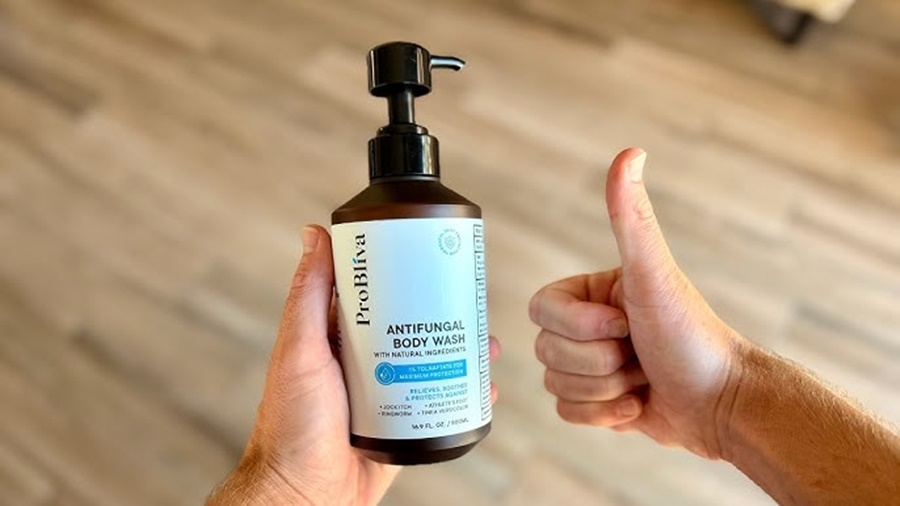
Disclosure: Charmelisse.com receives an affiliate commission on some, but not all, of the products we recommend—but only if you decide to click through to the retailer’s site and make a purchase.
One response to “Antibacterial Body Wash vs Regular Body Wash”
-
[…] classified as antibacterial. Not all cleansers have the same capacity to fight germs. An effective antibacterial body wash will contain specific compounds known as antibacterial ingredients. Common ones include triclosan, […]
Leave a Reply