
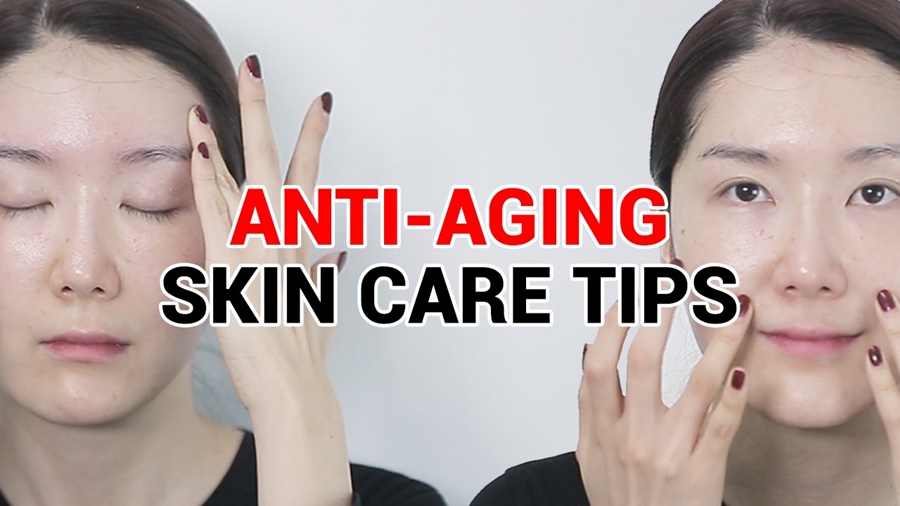
Here’s a complete guide to anti-aging skincare tips that can help you maintain youthful skin at any age. Aging is a natural part of life, but taking care of your skin can help you age gracefully and keep your complexion looking radiant and healthy.
With the right skincare habits, you can slow down the visible signs of aging like wrinkles, fine lines, and age spots.
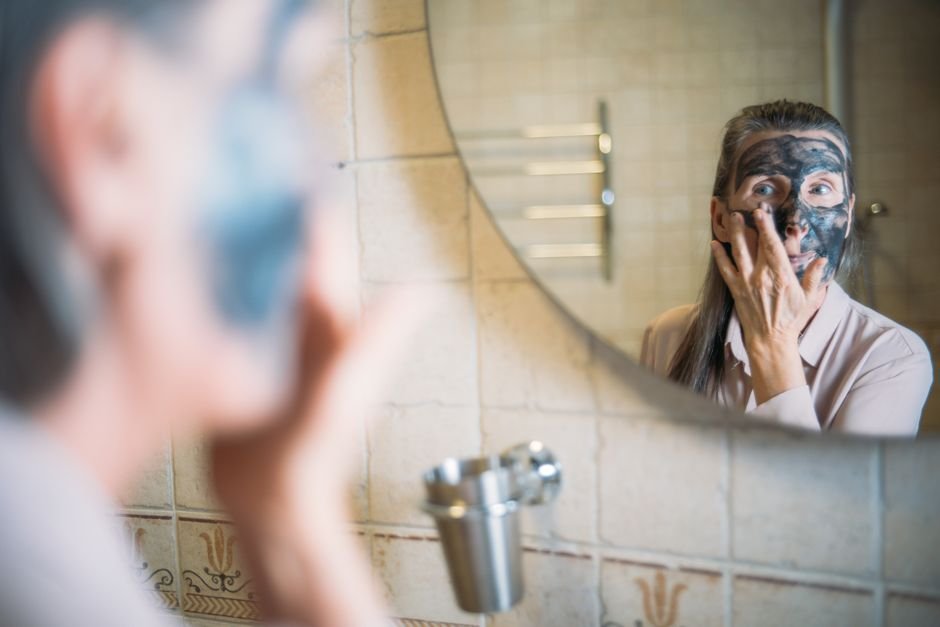
1. Start with a Consistent Skincare Routine
The foundation of any effective anti-aging strategy is consistency. A good skincare routine should include:
- Cleansing: Use a gentle cleanser twice daily to remove dirt, oil, and makeup.
- Toning: A toner helps to balance the skin’s pH and prepare it for the next steps.
- Moisturizing: A good moisturizer hydrates and protects the skin barrier.
- Sun Protection: Daily sunscreen use is non-negotiable, even on cloudy days.
2. Prioritize Sun Protection Every Day
Sun exposure is the #1 cause of premature aging. UV rays can break down collagen and elastin, leading to wrinkles, pigmentation, and sagging.
- Use a broad-spectrum SPF 30 or higher every morning.
- Reapply sunscreen every 2 hours if you’re outdoors.
- Wear a wide-brimmed hat and sunglasses for extra protection.
3. Use Anti-Aging Ingredients That Work
Look for products containing proven active ingredients that target signs of aging:
- Retinoids (Retinol, Tretinoin): Boost collagen production and reduce fine lines.
- Vitamin C: A powerful antioxidant that brightens skin and fights free radicals.
- Hyaluronic Acid: Provides deep hydration and plumps the skin.
- Niacinamide: Improves skin elasticity, texture, and tone.
- Peptides: Help stimulate collagen and elastin production.
4. Exfoliate Regularly (But Gently)
Exfoliation removes dead skin cells, revealing brighter, smoother skin underneath.
- Use chemical exfoliants like AHAs (glycolic acid) or BHAs (salicylic acid) 1–2 times per week.
- Avoid harsh physical scrubs, which can cause micro-tears and irritation.
5. Stay Hydrated Inside and Out
Hydrated skin looks plumper, smoother, and more youthful.
- Drink plenty of water throughout the day.
- Use a humectant-based moisturizer that attracts and locks in moisture.
6. Get Enough Sleep and Manage Stress
Sleep and stress directly impact how your skin ages.
- Aim for 7–9 hours of quality sleep each night.
- Try to manage stress with activities like meditation, exercise, or hobbies.
- Chronic stress can increase cortisol, which breaks down collagen.
7. Eat a Skin-Healthy Diet
What you eat affects how your skin looks.
- Focus on antioxidant-rich foods: berries, leafy greens, nuts, and fish.
- Reduce processed sugars and unhealthy fats, which can accelerate aging.
- Omega-3 fatty acids (from fish or flaxseeds) help maintain skin elasticity.
8. Avoid Smoking and Limit Alcohol
- Smoking speeds up skin aging by narrowing blood vessels and reducing oxygen to the skin.
- Excessive alcohol dehydrates the skin and can lead to inflammation.
9. Treat Your Skin with Care
- Don’t tug or rub your skin harshly, especially around the eyes.
- Always remove makeup before bed.
- Use lukewarm water instead of hot, which can strip natural oils.
10. Consider Professional Treatments
For more noticeable results, consider talking to a dermatologist about:
- Chemical peels
- Microneedling
- Laser treatments
- Injectables (Botox, dermal fillers)
These treatments can help with skin texture, tone, and firmness when done safely and professionally.
Avoid Common Mistakes in Anti-Aging Skincare
Even with the best intentions, you might fall into common pitfalls. One frequent error is using too many products at once, which can irritate your skin. Stick to a simple routine before gradually adding new items. Watch for reactions; less is often more.
Another mistake is skipping sunscreen on cloudy days. UV rays can penetrate through clouds, so protect your skin daily. Always reapply every two hours if you’re outdoors. Setting reminders can help you stay on track.
Lastly, don’t ignore neck and décolletage care. These areas often show aging signs but tend to get less attention. Extend your skincare routine to these parts for more youthful-looking skin overall. Consider incorporating reliable anti-aging skincare tips into your regimen for better results.
Cost Analysis of Anti-Aging Options
When choosing anti-aging products or treatments, consider the costs involved. Over-the-counter serums may range from $20 to $150, depending on the ingredients. For example, a retinol serum might be pricier but can yield significant results over time.
If you opt for professional treatments, prices can escalate quickly. Chemical peels and microneedling average between $150 to $500 per session. You may need multiple sessions for optimal results, so factor this into your budget.
Home remedies can be cost-effective, using kitchen staples for skin benefits. Ingredients like honey and olive oil are inexpensive and can rejuvenate your complexion with regular use.
Balance cost against expected results. Sometimes investing in a higher-quality product is worth it for long-term benefits. Take time to research reviews and price comparisons before making purchases.
If that matters to you, our piece on face wash vs toner key goes further.
Conclusion
Aging is inevitable, but premature aging doesn’t have to be. With the right skincare habits and a proactive approach, you can maintain a glowing, youthful complexion for years to come. The earlier you start, the better — but it’s never too late to take care of your skin.
Remember, consistency is key. Choose products that suit your skin type, stick to a routine, and always protect your skin from the sun. Your future self will thank you.
Leave a Reply