
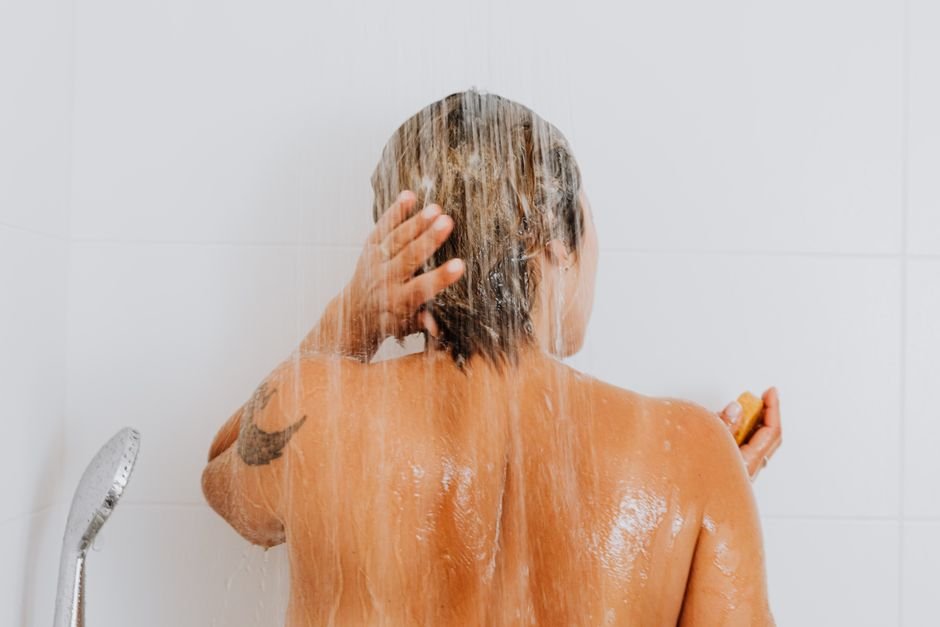
Roughly 30% of adults deal with dead skin buildup, which can lead to a dull appearance. A body wash specifically formulated to exfoliate can transform your skin, delivering a smoother and brighter look. Certain active ingredients, when chosen wisely, can elevate the effectiveness of your cleansing routine.
First, not every body wash marketed for exfoliation actually does the job. The promise of a gentle scrub might sound appealing, but many lack sufficient exfoliating power. You want a formulation that combines effective cleansing with the right type of exfoliation to truly enhance your skin. I’ve tested various options and can share insights on the standout performers and those that miss the mark.

Common Missteps in Choosing a Body Wash
One of the biggest mistakes people make is thinking that all exfoliating body washes are the same. Many consumers gravitate towards products that claim “natural” or “gentle” scrubs, assuming they will deliver results. However, most gentle scrubs use microbeads that can harm both your skin and the environment, doing little to remove dead skin effectively.
Another common issue is choosing a product without considering your skin type. If you have sensitive skin, harsh scrubs can lead to irritation, while those with oily skin may overlook stronger treatments that could help control breakouts. It’s essential to know your skin’s needs and select a body wash that complements them, rather than just jumping on trends or promises.
Key Ingredients for Effective Exfoliation
When I look for a body wash that removes dead skin, I prioritize specific active ingredients that have proven efficacy. Glycolic acid, for example, is a standout choice. As an alpha hydroxy acid, it gently dissolves dead skin cells while promoting cell turnover. It’s fantastic for those looking to rejuvenate dull skin without excessive scrubbing.
Another ingredient I often recommend is salicylic acid, especially if you’re dealing with body acne. Unlike glycolic acid, it penetrates deeper into the pores, effectively unclogging them while helping to exfoliate. If you opt for a body wash that combines either of these acids with hydrating elements, you’re setting yourself up for success and minimizing the risk of drying out your skin.
Avoiding Microbeads and Harsh Abrasives
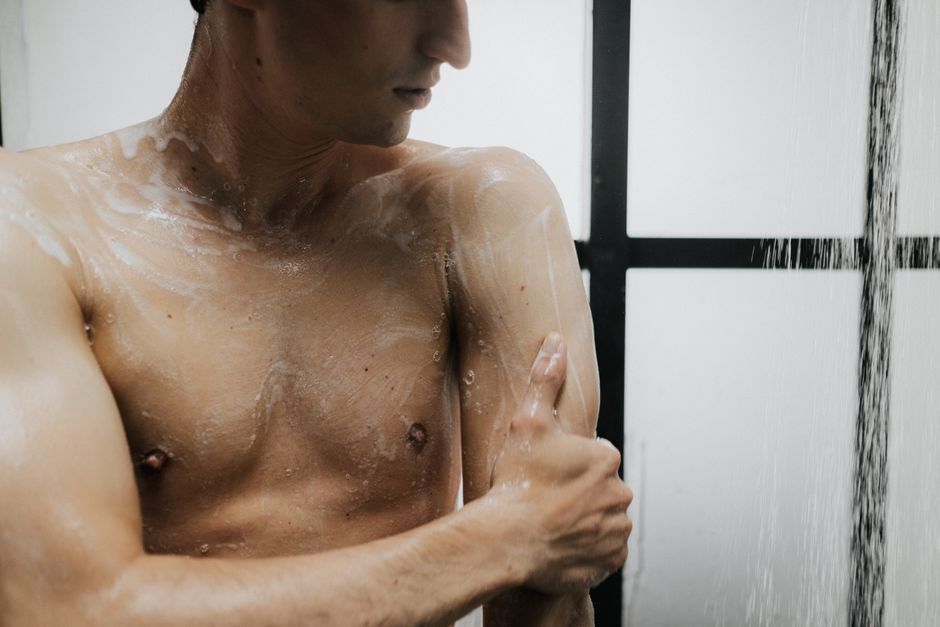
Microbeads were once a common ingredient in scrubs but have become controversial due to environmental concern and their relative ineffectiveness for serious exfoliation. Instead of tiny plastic beads, look for natural alternatives like ground fruit pits, oatmeal, or even sugar. These provide a gentler scrub without posing environmental risks.
It’s also important to skip products that include harsh abrasives such as crushed shells or overly coarse exfoliating agents. While they may feel effective initially, they can cause micro-tears in your skin, leading to more issues down the line. Find a body wash that balances exfoliation with a gentle approach for optimal results.
The Right Application Technique
Even with the best exfoliating body wash how you apply it can make all the difference. Don’t be tempted to scrub hard, gentle, circular motions can prove far more effective. By using a loofah or a soft washcloth, you can enhance the wash’s exfoliating effects without damaging your skin.
Timing also matters. Opt for exfoliation a couple of times a week rather than daily. Daily exfoliation can strip your skin of its natural oils, which are crucial for maintaining hydration. Finding that sweet spot between effective exfoliation and skin health is vital.
Finding the Right Balance with Your Products
It’s essential to remember that exfoliating body washes are just one part of your skincare routine. Both moisturizers and sunscreens play critical roles in keeping your skin healthy and protected. After using an exfoliating wash, always follow up with a good moisturizer to replenish lost hydration.
Also, consider how your body wash interacts with your other products. If you’re using potent acne treatments or retinoids, be cautious of layering too many exfoliating components. This can potentially lead to irritation and sensitivity, so make adjustments as necessary.
My Top Recommendations
For effective dead skin removal, consider the CeraVe Renewing SA Cleanser, which is suitable for those with sensitive skin. If you prefer a more robust option, Neutrogena Body Clear Body Wash with salicylic acid is excellent for acne-prone skin. Choosing a product that aligns with your skin type ensures optimal results.
Frequently Asked Questions
How often should you use exfoliating body wash?
Exfoliating body wash can typically be used 2 to 3 times a week, depending on your skin type and sensitivity. Using it too frequently may irritate the skin, so it's essential to monitor how your skin reacts and adjust accordingly.
What ingredients in body wash help remove dead skin?
Ingredients such as alpha-hydroxy acids (AHAs), beta-hydroxy acids (BHAs), and natural exfoliants like sugar or salt can effectively remove dead skin. Look for body washes that contain these components for effective exfoliation.
Is it safe to use body wash with acids for exfoliation?
Yes, it is generally safe to use body washes with AHAs or BHAs for exfoliation, as long as your skin is not overly sensitive. Always start with a patch test and follow up with sunscreen, as exfoliated skin can be more susceptible to sun damage.
Can body wash alone effectively remove dead skin?
While body wash can help to some extent in removing dead skin, it may not be as effective as dedicated exfoliating products like scrubs. For best results, consider combining use of exfoliating body wash with a physical scrub or alternative exfoliation methods. Additionally, using a body wash to remove dead skin can enhance the overall effectiveness.
What is the difference between body wash and body scrub?
Body wash is typically a liquid cleanser designed for general cleansing, while body scrub contains exfoliating particles or agents to physically remove dead skin cells. Scrubs usually offer a more intense exfoliation compared to body washes.
Leave a Reply