
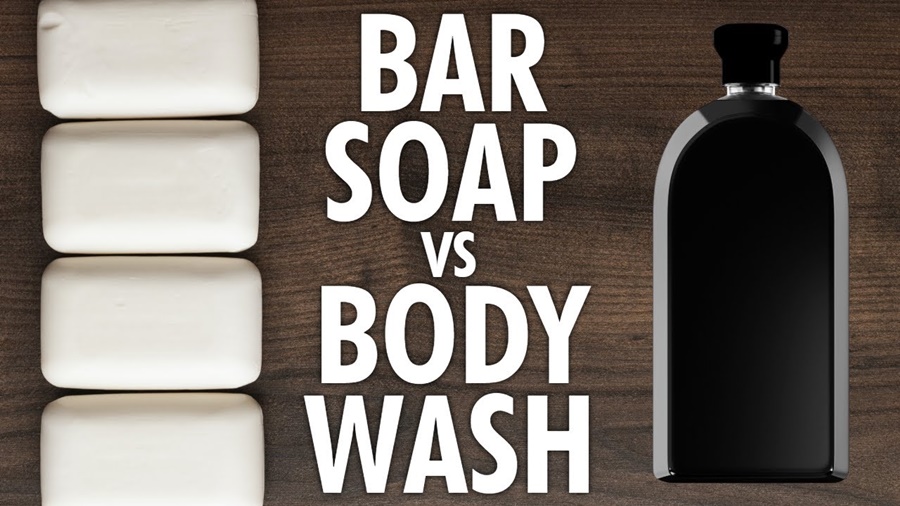
One of the most common questions people ask is whether body wash or traditional soap is better for sensitive skin. Sensitive skin needs extra care. The wrong cleansing product can lead to dryness, itching, redness, irritation, or even painful flare-ups.
The answer depends on ingredients, skin type, and how the product is made. While both body wash and soap can clean the skin effectively, they work differently and affect sensitive skin in unique ways.
This article explains the differences between body wash and soap, their advantages and disadvantages, and how to choose the best option for sensitive skin.

Understanding Sensitive Skin
Sensitive skin reacts more easily to external factors. These reactions may include:
- Redness
- Burning
- Tightness
- Dry patches
- Itching
- Breakouts
- Rashes
Common causes include:
- Harsh skincare ingredients
- Fragrances
- Weather changes
- Hot water
- Over-cleansing
- Skin conditions like eczema or rosacea
Because sensitive skin has a weaker protective barrier, choosing gentle cleansing products becomes very important.
What Is Traditional Soap?
Traditional soap is usually made by combining fats or oils with an alkali through a process called saponification. Soap bars have been used for centuries because they are affordable, easy to use, and long-lasting.
There are different types of soap, including:
- Bar soap
- Handmade soap
- Antibacterial soap
- Moisturizing soap
- Medicated soap
However, not all soaps are suitable for sensitive skin.
What Is Body Wash?
Body wash is a liquid cleanser designed specifically for the body. Most body washes contain:
- Water
- Cleansing agents
- Moisturizers
- Fragrances
- Skin-conditioning ingredients
Many modern body washes are formulated to be gentler than traditional soap and often include hydrating ingredients for dry or sensitive skin.
Main Differences Between Body Wash and Soap
1. Cleansing Strength
Traditional soap often has a higher pH level, which can strip natural oils from the skin. Sensitive skin may become dry and irritated after frequent use.
Body washes are usually formulated with milder surfactants and a balanced pH, making them gentler on the skin barrier.
Winner for Sensitive Skin:
Body wash
2. Moisture Retention
Many soaps remove oils aggressively, leaving the skin feeling tight after bathing.
Body washes often contain moisturizing ingredients such as:
- Glycerin
- Shea butter
- Ceramides
- Aloe vera
- Hyaluronic acid
These ingredients help keep the skin hydrated.
Winner for Sensitive Skin:
Body wash
3. Ingredients
Some soaps contain:
- Artificial fragrance
- Alcohol
- Strong detergents
- Harsh antibacterial chemicals
These ingredients can trigger irritation.
Body washes can also contain irritants, but many brands now produce fragrance-free and dermatologist-tested options for sensitive skin.
Winner:
Depends on formulation
4. Hygiene
Bar soap sits exposed in the bathroom and may collect bacteria on its surface, especially in shared households.
Body wash is stored in sealed bottles, making it more hygienic for some users.
Winner:
Body wash
5. Environmental Impact
Traditional soap bars usually come with less packaging and create less plastic waste.
Body wash bottles often contribute to environmental pollution unless recyclable packaging is used.
Winner:
Soap
6. Cost
Soap bars are generally cheaper and last longer than body wash.
Body wash may cost more because of added ingredients and packaging.
Winner:
Soap
Is Soap Bad for Sensitive Skin?
Not always. Some soaps are specifically made for sensitive skin and contain nourishing oils and gentle ingredients. Problems usually arise from harsh soaps with strong fragrances and detergents.
Sensitive skin may react negatively to soaps that:
- Have high alkalinity
- Contain sulfates
- Include synthetic fragrance
- Use harsh antibacterial ingredients
Mild cleansing bars designed for sensitive skin can still work very well.
Is Body Wash Better for Sensitive Skin?
In many cases, yes. Body wash is often recommended by dermatologists because it tends to be:
- More hydrating
- Less drying
- Easier on the skin barrier
- Available in fragrance-free formulas
Cream-based body washes are especially beneficial for people with:
- Dry skin
- Eczema
- Itching
- Flaky skin
However, users should still check ingredient labels carefully.
Ingredients Sensitive Skin Should Avoid
Whether choosing soap or body wash, avoid products with:
Artificial Fragrance
Fragrance is one of the most common causes of irritation.
Sulfates
Ingredients like Sodium Lauryl Sulfate (SLS) may strip natural oils.
Alcohol
Some alcohols can dry out the skin.
Dyes and Colorants
Artificial colors may trigger reactions.
Strong Antibacterial Agents
Overly harsh antibacterial products can weaken the skin barrier.
Best Ingredients for Sensitive Skin
Look for products containing:
- Aloe vera
- Oatmeal
- Ceramides
- Glycerin
- Shea butter
- Coconut oil
- Chamomile
- Hyaluronic acid
These ingredients help soothe and protect sensitive skin.
Body Wash vs Soap for Different Sensitive Skin Types
Dry Sensitive Skin
Best Choice: Moisturizing body wash
Hydrating formulas help reduce tightness and flaking.
Oily Sensitive Skin
Best Choice: Gentle body wash or mild soap
Avoid harsh cleansers that cause overproduction of oil.
Eczema-Prone Skin
Best Choice: Fragrance-free body wash
Creamy cleansers with ceramides are usually safer.
Acne-Prone Body Skin
Best Choice: Non-comedogenic body wash
Avoid thick oils and strong fragrances.
Tips for Washing Sensitive Skin
Use Lukewarm Water
Hot water can damage the skin barrier.
Avoid Overwashing
Bathing too often may dry out the skin.
Moisturize After Showering
Apply moisturizer while the skin is slightly damp.
Pat Skin Dry
Do not rub aggressively with towels.
Patch Test New Products
Always test products before full use.
Natural Soap vs Body Wash
Many people believe natural soap is automatically safer for sensitive skin, but that is not always true.
Some natural soaps contain:
- Essential oils
- Citrus extracts
- Strong plant ingredients
These can still irritate sensitive skin.
Similarly, some body washes use scientifically tested gentle ingredients that may be safer than homemade soaps.
The key is the formulation, not just whether the product is “natural.”
Dermatologist Recommendations
Dermatologists often recommend:
- Fragrance-free cleansers
- pH-balanced formulas
- Cream-based body washes
- Products labeled for sensitive skin
People with severe irritation or skin conditions should consult a dermatologist for personalized advice.
Pros and Cons of Soap
Pros
- Affordable
- Long-lasting
- Eco-friendly
- Convenient
Cons
- May dry out skin
- Often higher pH
- Can contain harsh ingredients
- Less moisturizing
Pros and Cons of Body Wash
Pros
- More hydrating
- Gentle formulas available
- Better for dry sensitive skin
- Hygienic packaging
Cons
- More expensive
- Plastic packaging waste
- Some formulas contain fragrance and chemicals
Conclusion
For most people with sensitive skin, body wash is usually the better choice because it tends to be gentler, more hydrating, and less likely to disrupt the skin barrier.
However, not all body washes are safe, and not all soaps are harmful. A mild, fragrance-free cleansing bar can work just as well for some individuals.
The most important factor is choosing products with gentle ingredients and avoiding harsh chemicals that trigger irritation.
If your skin feels tight, itchy, or irritated after bathing, switching to a sensitive-skin-friendly cleanser may significantly improve comfort and skin health.
Leave a Reply